Scorsese expands on Marvel criticism, says MCU films lack revelation, mystery, emotional danger
Where Marvel lacked was there was "nothing at risk" in its movies, he argued.
By PTI |

NEW YORK: Expanding on his criticism of the Marvel Cinematic Universe, Martin Scorsese has said while these films were made by people of considerable talent and artistry, there is an absence of "revelation, mystery or genuine emotional danger" in them.
The multiple Oscar-winning director gives an insight into his comments that sparked a controversy between all other films and Marvel in early October, after he branded the superhero films as "theme park experience" and "not cinema".
In a New York Times op-ed, titled "I Said Marvel Movies Aren't Cinema. Let Me Explain", Scorsese wrote, "Many franchise films are made by people of considerable talent and artistry. You can see it on the screen. The fact that the films themselves don't interest me is a matter of personal taste and temperament.
"I know that if I were younger, if I'd come of age at a later time, I might have been excited by these pictures and maybe even wanted to make one myself. But I grew up when I did and I developed a sense of movies — of what they were and what they could be — that was as far from the Marvel universe as we on Earth are from Alpha Centauri."
The director argued for the masters who influenced his craft, his contemporaries and him, making movies was about aesthetic, emotional and spiritual revelation.
"It was about characters — the complexity of people and their contradictory and sometimes paradoxical natures, the way they can hurt one another and love one another and suddenly come face to face with themselves," he wrote.
Scorsese, 76, wrote the MCU films were everything the films of Paul Thomas Anderson, Claire Denis, Spike Lee, Ari Aster, Kathryn Bigelow or Wes Anderson are not.
"When I watch a movie by any of those filmmakers, I know I'm going to see something absolutely new and be taken to unexpected and maybe even unnameable areas of experience. My sense of what is possible in telling stories with moving images and sounds is going to be expanded."
Where Marvel lacked was there was "nothing at risk" in its movies, he argued.
"Many of the elements that define cinema as I know it are there in Marvel pictures. What's not there is revelation, mystery or genuine emotional danger. Nothing is at risk. The pictures are made to satisfy a specific set of demands, and they are designed as variations on a finite number of themes."
Scorsese took the case of the commoditisation of cinema at the hands of big studios like Marvel, saying their films were "sequels in name but they are remakes in spirit".
"... and everything in them is officially sanctioned because it can't really be any other way. That's the nature of modern film franchises: market-researched, audience-tested, vetted, modified, revetted and remodified until they're ready for consumption."
He called "the gradual but steady elimination of risk" as the most ominous change that has happened stealthily.
"Many of them are well made by teams of talented individuals. All the same, they lack something essential to cinema: the unifying vision of an individual artist. Because, of course, the individual artist is the riskiest factor of all."
The filmmaker rued it was a "perilous time" in film exhibition.
Franchise films were the primary choice for a big-screen experience and the space for indie films was shrinking.
The equation has flipped and streaming has become the primary delivery system, Scorsese wrote, adding he was speaking as someone who just completed highly anticipated "The Irishman" for Netflix.
"(Netflix) and it alone, allowed us to make 'The Irishman' the way we needed to, and for that I'll always be thankful. We have a theatrical window, which is great. Would I like the picture to play on more big screens for longer periods of time? Of course I would. But no matter whom you make your movie with, the fact is that the screens in most multiplexes are crowded with franchise pictures."
He further refused to agree that it was a matter of supply and demand, dubbing it the "chicken-and-egg issue".
"If people are given only one kind of thing and endlessly sold only one kind of thing, of course they're going to want more of that one kind of thing."
Scorsese further added that he was not implying that cinema should be a subsidised art form.
Recalling the era when Hollywood studio machinery was alive and kicking, the director wrote the tension between the artists and the makers was "constant and intense", but the friction was "productive" that churned some of the greatest films ever.
"Today, that tension is gone, and there are some in the business with absolute indifference to the very question of art and an attitude toward the history of cinema that is both dismissive and proprietary — a lethal combination.
"The situation, sadly, is that we now have two separate fields: There's worldwide audiovisual entertainment, and there's cinema. They still overlap from time to time, but that's becoming increasingly rare. And I fear that the financial dominance of one is being used to marginalise and even belittle the existence of the other," he concluded in a cautionary message.
Post Scorsese's initial criticism, many MCU names including Robert Downey Jr, Samuel L Jackson, Natalie Portman, James Gunn, Jon Favreau and veteran filmmakers Francis Ford Coppola and Ken Loach have weighed in on the debate.
The multiple Oscar-winning director gives an insight into his comments that sparked a controversy between all other films and Marvel in early October, after he branded the superhero films as "theme park experience" and "not cinema".
In a New York Times op-ed, titled "I Said Marvel Movies Aren't Cinema. Let Me Explain", Scorsese wrote, "Many franchise films are made by people of considerable talent and artistry. You can see it on the screen. The fact that the films themselves don't interest me is a matter of personal taste and temperament.
"I know that if I were younger, if I'd come of age at a later time, I might have been excited by these pictures and maybe even wanted to make one myself. But I grew up when I did and I developed a sense of movies — of what they were and what they could be — that was as far from the Marvel universe as we on Earth are from Alpha Centauri."
The director argued for the masters who influenced his craft, his contemporaries and him, making movies was about aesthetic, emotional and spiritual revelation.
"It was about characters — the complexity of people and their contradictory and sometimes paradoxical natures, the way they can hurt one another and love one another and suddenly come face to face with themselves," he wrote.
ADVERTISEMENT
Scorsese, 76, wrote the MCU films were everything the films of Paul Thomas Anderson, Claire Denis, Spike Lee, Ari Aster, Kathryn Bigelow or Wes Anderson are not.
"When I watch a movie by any of those filmmakers, I know I'm going to see something absolutely new and be taken to unexpected and maybe even unnameable areas of experience. My sense of what is possible in telling stories with moving images and sounds is going to be expanded."
Where Marvel lacked was there was "nothing at risk" in its movies, he argued.
"Many of the elements that define cinema as I know it are there in Marvel pictures. What's not there is revelation, mystery or genuine emotional danger. Nothing is at risk. The pictures are made to satisfy a specific set of demands, and they are designed as variations on a finite number of themes."
ADVERTISEMENT
Scorsese took the case of the commoditisation of cinema at the hands of big studios like Marvel, saying their films were "sequels in name but they are remakes in spirit".
"... and everything in them is officially sanctioned because it can't really be any other way. That's the nature of modern film franchises: market-researched, audience-tested, vetted, modified, revetted and remodified until they're ready for consumption."
ADVERTISEMENT
He called "the gradual but steady elimination of risk" as the most ominous change that has happened stealthily.
"Many of them are well made by teams of talented individuals. All the same, they lack something essential to cinema: the unifying vision of an individual artist. Because, of course, the individual artist is the riskiest factor of all."
The filmmaker rued it was a "perilous time" in film exhibition.
Franchise films were the primary choice for a big-screen experience and the space for indie films was shrinking.
The equation has flipped and streaming has become the primary delivery system, Scorsese wrote, adding he was speaking as someone who just completed highly anticipated "The Irishman" for Netflix.
"(Netflix) and it alone, allowed us to make 'The Irishman' the way we needed to, and for that I'll always be thankful. We have a theatrical window, which is great. Would I like the picture to play on more big screens for longer periods of time? Of course I would. But no matter whom you make your movie with, the fact is that the screens in most multiplexes are crowded with franchise pictures."
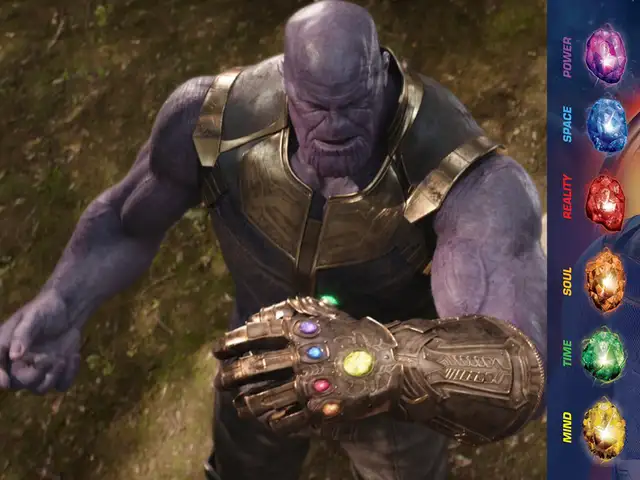
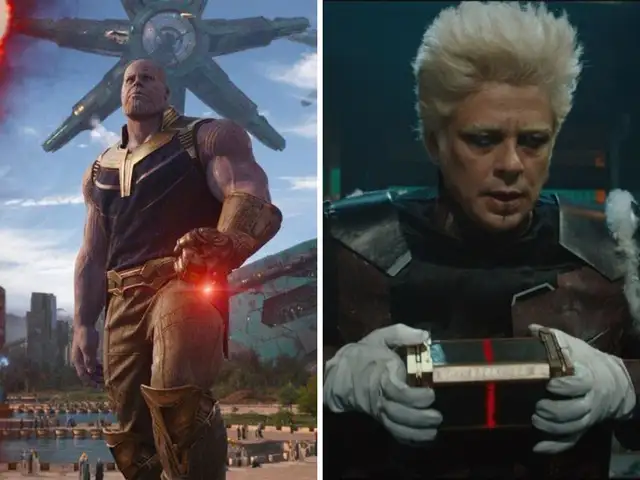
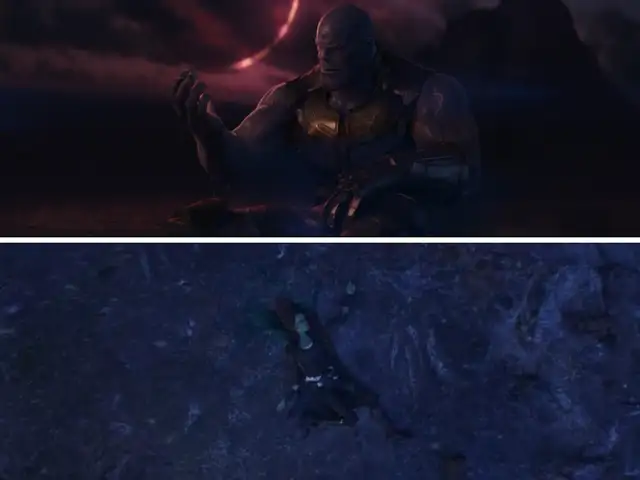
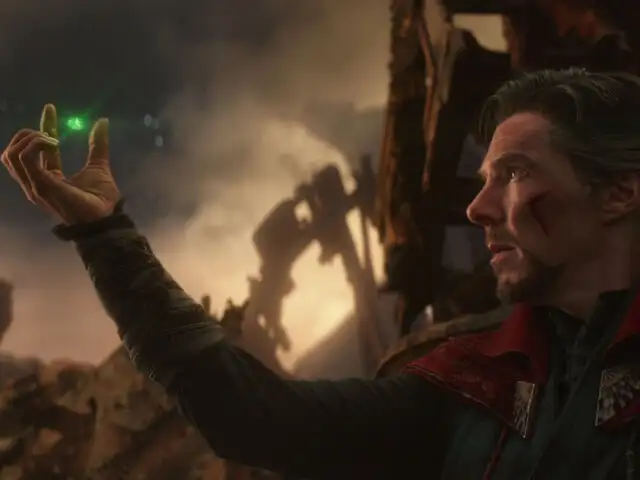
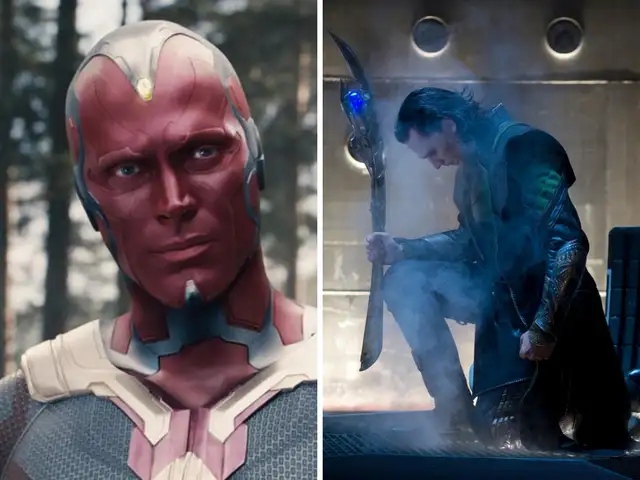
Ever since the release of 'Avengers: Infinity War' last year, Marvel fans have been eagerly waiting for the final part.
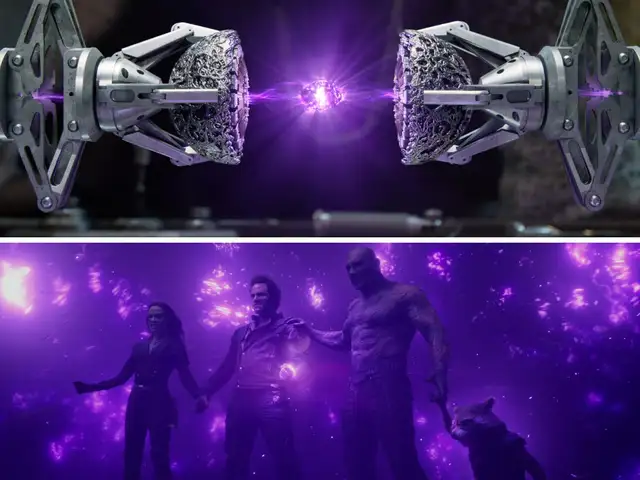
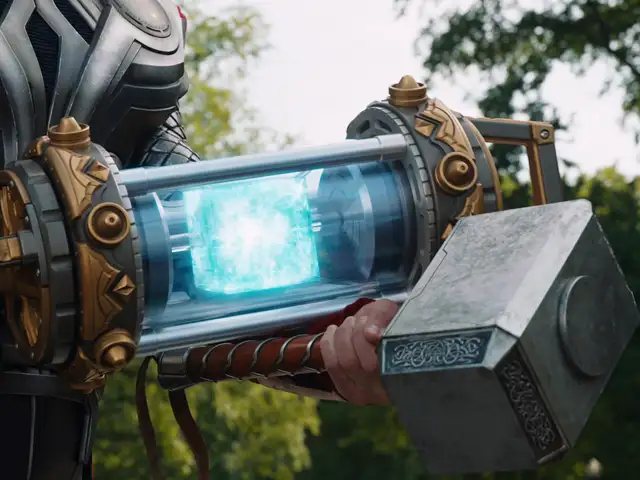
As the superheroes gear up to take a stand against Thanos on April 26 in 'Avengers: Endgame', the mystery of the Infinity Stones continues to intrigue fans.
Pankaj Khanna, Founder & Managing Director, Khanna Gems Private Limited, shares what each of the gems mean and how they hold the power to liberate people from problems created by planets.
Important Note: Spoilers ahead (watch the movie already!)


He further refused to agree that it was a matter of supply and demand, dubbing it the "chicken-and-egg issue".
"If people are given only one kind of thing and endlessly sold only one kind of thing, of course they're going to want more of that one kind of thing."
Scorsese further added that he was not implying that cinema should be a subsidised art form.
Recalling the era when Hollywood studio machinery was alive and kicking, the director wrote the tension between the artists and the makers was "constant and intense", but the friction was "productive" that churned some of the greatest films ever.
"Today, that tension is gone, and there are some in the business with absolute indifference to the very question of art and an attitude toward the history of cinema that is both dismissive and proprietary — a lethal combination.
"The situation, sadly, is that we now have two separate fields: There's worldwide audiovisual entertainment, and there's cinema. They still overlap from time to time, but that's becoming increasingly rare. And I fear that the financial dominance of one is being used to marginalise and even belittle the existence of the other," he concluded in a cautionary message.
Post Scorsese's initial criticism, many MCU names including Robert Downey Jr, Samuel L Jackson, Natalie Portman, James Gunn, Jon Favreau and veteran filmmakers Francis Ford Coppola and Ken Loach have weighed in on the debate.
Download
The Economic Times Business News App for the Latest News in Business, Sensex, Stock Market Updates & More.
The Economic Times Business News App for the Latest News in Business, Sensex, Stock Market Updates & More.
ADVERTISEMENT


