Any exercise that increases your heart rate beyond your target is damaging your heart health and may cause a heart attack.
NEW DELHI: For the past four years, Gajendra Manjalkar had been a regular at the Mumbai Marathon. The 64-year-old, a resident of Nalasopara in Mumbai’s neighbouring Palghar district, would walk 7-kms every morning to prepare for the marathon. On Jan 19, he collapsed during the marathon, and died following a heart attack.
Manjalkar wasn't the only medical emergency. The Times Of India reported that 17 other runners had to be hospitalised due to brain stroke, cardiac arrest, hyperkalemia, fractures and injuries, dehydration and severe cramps.
According to an American Heart Association report, sudden cardiac arrest isn't common among runners. About 0.54 per 100,000 participants in half marathons and marathons experience it. But it's often deadly, killing 70 per cent of those runners.
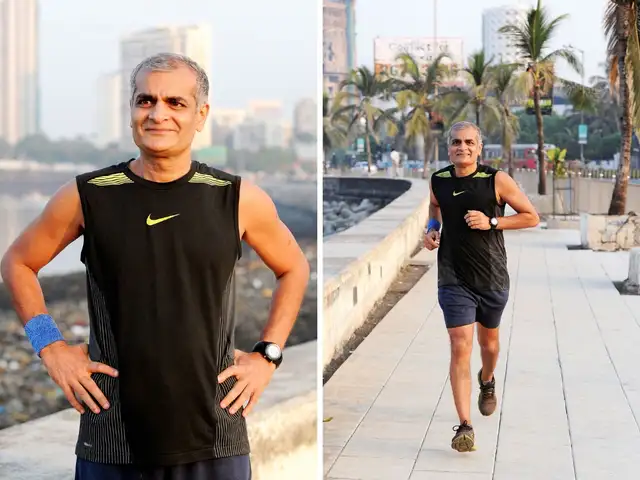
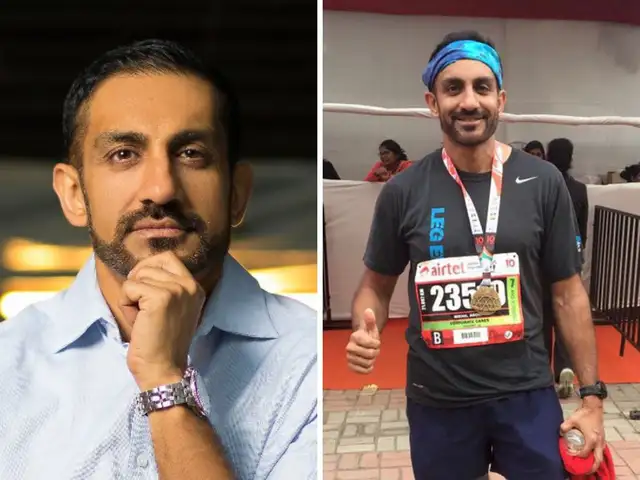
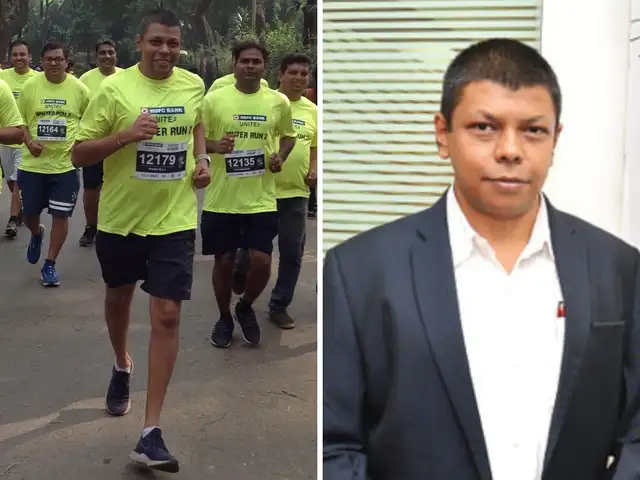
From (L-R, clockwise): Despite the optimism and a heavy turnout from corporate bigwigs like Anil Ambani, Tata Sons Chairman N Chandrasekaran, TCS CEO Rajesh Gopinathan and Indiabulls Housing Finance MD Gagan Banga at the running event, these sudden health casualties left a bitter taste in the mouth. ETPanache Online got in touch with a few health experts to help future marathoners understand the critical situation better and train wiser.
ADVERTISEMENT
What is a cardiac arrest? A heart attack occurs when there is a sudden clot formation in a coronary artery which supplies blood to the heart muscle. It is a problem with the circulation of the heart. A heart attack is one of the causes of a cardiac arrest but does not always lead to a cardiac arrest.
On the other hand, a cardiac arrest is an electrical problem arising from irregular heartbeats. A cardiac arrest is a sudden stopping of the effective blood flow of the body due to the heart being unable to pump adequately. If untreated, it leads to unconsciousness and death within minutes.
Cardiac arrest is often due to sudden rapid beating of the heart called ventricular fibrillation or ventricular tachycardia of complete cessation of the heart beats called asystole. One of the most common causes of a cardiac arrest is a heart attack (clots/blockage in the heart artery). Other causes include weak hearts cardiomyopathy}, potassium fluctuations, congenital or valvular heart diseases, among others.
Cardiac arrest could be a sign of overexertion
ADVERTISEMENT
Running a marathon is a good exercise, but gradual training is essential to build endurance.When training for a marathon, the workout intensity is automatically increased to keep the body fit.
If the runner breaches his/her capacity and shoots beyond the heart-rate target, then the heart gets stressed out. The heart beat will increase and the individual can succumb to sudden cardiac arrest. Overstraining and overactivity can lead to cardiac arrest as well in these cases.
ADVERTISEMENT
It is important for every individual to know their target heart rate - which is 220 (minus) Age (into) 85%. Any exercise which increases your heart rate beyond your target is damaging your heart and may cause a heart attack.
The right posture to run better. What else can lead to cardiac arrest? Smoking, previous heart attacks, a weak heart, diabetes, hypertension, high cholesterol, family history of sudden death, obesity, to name a few.
Patients with a history of smoking and health conditions such as uncontrollable diabetes and high blood pressure are at a higher risk to develop a heart attack. People who start running at an earlier age (teens and early twenties) have low risk of developing heart attack later in life. As one ages, there is a chance of already having some blockages or plaques (cholesterol deposits) in the coronary arteries which may lead to heart attack on suddenly starting to run or vigorously exercise.
Patients who have undergone an angioplasty or stenting recently, it is advisable to avoid taking part in a marathon. People with uncontrolled diabetes and hypertension should get proper control of blood pressure and hypertension if they are planning to run.
Mistakes to avoid before, after and during a run Running without adequate training is the biggest mistake one should avoid. After getting a clearance from your physician, join a proper running group with a qualified trainer. Start slow and build up gradually. Listen to your body, and don't overdo despite niggling issues like chest pain or breathing difficulty during a run. Don't compete with people right from the beginning of training as it can hurt you. Build your stamina and endurance which will help reduce overall risk levels of developing heart attacks in the long-term.
Before the marathon, have a proper warm-up and pre-conditioning in the form of treadmill testing or exercise testing. Get a stress test, cardiology evaluation, echo-cardiography and ultrasound done. It is advisable to get a detailed health evaluation such as blood sugar level, BP, cardiac check-up, lipid numbers and HbA1c, if required in selected cases, done before starting to train for running. You should be comfortably dressed for the event.
Pour water over the head and entire body, intermittently, during the run. During the run, if you feel any chest discomfort, dizziness, pain or shortness of breath which is more than usual, stop the run and get immediate medical attention. Early diagnosis can help save your life. Running despite such symptoms can lead to life-threatening complications. If you already have heart disease and have undergone stenting or bypass surgeries, take opinion from your cardiologist before running.
Other than that, the runner should drink enough water to avoid overheating or hyperthermia. Pour water over the head and entire body, intermittently. In order to avoid dehydration and salt loss, replace appropriate fluids and salt during the run.
What to do when you are experiencing cardiac arrest? - Ensure you are safe (cardiac arrest on the road/around a fire, etc) - Try not to panic
What to do when you witness someone experience cardiac arrest? In case you witness a person suddenly collapse or faint, the first and most important thing to do is call for help. While help arrives you should check for a pulse in the patient's neck artery or check for breathing. If there is no pulse or no breathing, chest compressions should be started immediately. Chest compressions imply compressing the centre of the chest at 100-120 compressions per minute. Push hard and push fast.
In case you have been trained in CPR, then rescue breaths should be given every 30 chest compressions.
Once help arrives or a defibrillator (automated external defibrillator - AED) is present at the scene, the patient's rhythm should be assessed to decide if delivering a shock is needed.
Running without adequate training is the biggest mistake one should avoid. A lifestyle change will help prevent the situation Leading a healthy lifestyle is important. Exercise regularly, maintain a healthy weight, eat healthy food and go for a 45-minute walk daily..,. When there is a dip in the temperature, avoid going out very early.
One should eat something every two hours. For people planning to take part in the marathon, the diet should be low fat and low cholesterol. Make sure your throat is not dry. Keep yourself well hydrated during winter.
Don't neglect symptoms of chest discomfort, breathlessness, pain in the upper part of stomach or lower chest palpitations (feeling one’s heartbeat}, and dizziness/fainting spells, etc. Go for regular health checkups to detect lifestyle/metabolic diseases early.
(With inputs from Dr Amit Bhushan Sharma, Unit Head and Associate Director Interventional Cardiology, Paras Hospitals in Gurgaon; Dr Nihar Mehta, Consultant Cardiologist at Jaslok Hospital and Research Centre in Mumbai; Dr Deepak Krishnamurthy, Senior Consultant Interventional Cardiologist, Sakra World Hospital in Bangalore; and Dr Amit Gupta, Interventional Cardiology, Columbia Asia Hospital in Gurgaon)
HIIT Routine, Speed Workouts & Consistency: How India Inc Bosses Get Marathon-Ready
1/7
Leading business names share what they are doing new for the upcoming marathon season. Here is a checklist of their goals as they lace up their shoes.
Leading business names share what they are doing new for the upcoming marathon season. Here is a checklist of their goals as they lace up their shoes.
Rashesh Shah CEO, Edelweiss Group
“This time I’m going to do the half marathon in Mumbai and the full in Tokyo in March. I have my runner’s group, where we do speed workouts twice a week. There are about 20 of us who are going to the Tokyo Marathon together. Earlier we used to only do distance [training], but now we do speed workouts on a 400-metre track.”
Rashesh Shah
CEO, Edelweiss Group
“This time I’m going to do the half marathon in Mumbai and the full in Tokyo in March. I have my runner’s group, where we do speed workouts twice a week. There are ..
Read More
Nikhil Arora MD, GoDaddy India
“While I change my daily workout to prepare for an upcoming marathon, I believe in being consistent in my fitness routine. My regular regimen includes a mix of steadystate and high intensity training (HIIT) workouts. On weekends, I raise the intensity and put in about three to four hours, usually early in the morning, for long runs. I have recently started training in boxing. It builds up a lot of lower body endurance as you are on your feet and moving all the time. It’s also helping me improve agility, speed and focus.”
Nikhil Arora
MD, GoDaddy India
“While I change my daily workout to prepare for an upcoming marathon, I believe in being consistent in my fitness routine. My regular regimen includes a mix of steadys..
Read More
Shanti Ekambaram President, consumer banking, Kotak Mahindra Bank
“I’ve been running the marathon for 12 years and for me, there are two parts to prepping. One is the physical training, which I do four times a week, and the other is raising funds for charity. I run mainly to raise funds and that is what keeps me going. The rest, the trainers take care of.”
Shanti Ekambaram
President, consumer banking, Kotak Mahindra Bank
“I’ve been running the marathon for 12 years and for me, there are two parts to prepping. One is the physical training, which I do ..
Read More
Gagan Banga MD, Indiabulls Housing Finance
“Over the years, I’ve followed a strong regimen in the run-up to marathons, with greater intensity in the running season from June to January. Last year, the Mumbai Marathon was midway through my training for the Tokyo Marathon, so I was deep in the grind of things. This year, however, has been a busy one and I have been unable to maintain the regular rigour. I am currently getting in around 40-45 km a week spread across three to four days.”
Gagan Banga
MD, Indiabulls Housing Finance
“Over the years, I’ve followed a strong regimen in the run-up to marathons, with greater intensity in the running season from June to January. Last year, t..
Read More
Dheeraj Gupta MD, Jumboking
“This year will be my eighth run at the Mumbai marathon. While the first seven were done on my own using training plans from the internet, this year, I decided to train with a group. There is a science to all this, and thanks to my coach, I feel much stronger and chances of injury or post run body pain are reduced significantly.”
Dheeraj Gupta
MD, Jumboking
“This year will be my eighth run at the Mumbai marathon. While the first seven were done on my own using training plans from the internet, this year, I decided to train w..
Read More
Sundeep Chugh CEO, Benetton India
“Consistency is key when it comes to planning a marathon. During the year, I keep running at least 10K twice a week, and closer to the marathon, I increase the distance and intensity so that it is easier on the day of the run. Also, strength training and playing different games helps in building stamina and endurance.”
Sundeep Chugh
CEO, Benetton India
“Consistency is key when it comes to planning a marathon. During the year, I keep running at least 10K twice a week, and closer to the marathon, I increase the dist..