RK Laxman's famous creation modelled Salman Rushdie's comic alter ego
The Moor's Last Sigh features the Common Man in a unique way, by reproducing a tiny line sketch of his bemused face on Page 229.
By Nina Martyris, TNN |

Salman Rushdie, who grew up in Bombay on a daily fare of Laxman's pocket cartoon, mentions the Common Man in two of his books - his 1995 Mumbai novel The Moor's Last Sigh and his 2102 autobiography, Joseph Anton.
The Moor's Last Sigh features the Common Man in a unique way, by reproducing a tiny line sketch of his bemused face on Page 229. Written during the fatwa years, the novel is one of Rushdie's darkest books, but is enriched with allusions to famous Mumbai events and personalities. The Common Man reference occurs in a passage that describes a colorful moment in the city's cricketing history.
During the 1960 India-Australia Test series, a young girl at Brabourne Stadium had spontaneously kissed the handsome batsman Abbas Ali Baig, causing All India Radio commentator Vijay Merchant to gripe, "I wonder where all these enterprising young ladies were when I was scoring my hundreds and two hundreds." In Rushdie's novel, the flamboyant artist Aurora Zogoiby reproduces the scene on canvas. But while the original kiss was nothing more than a chaste peck on the cheek, in Aurora's crowded painting, called The Kissing of Abbas Ali Baig, it is transformed into a luscious lip lock, a Khajuraho-level erotic embrace ogled by everyone around including "slavering politicians," "coolly observant scientists," wise-cracking indus trialists, and the poor Common Man. Writes Rushdie: "Even the cartoonist R K Laxman's cel ebrated Common Man (sketch embedded here), was perched in the East Stand bleachers, look ing shocked in his goofy, un worldly way."
Laxman gave Rushdie special permission for the illustration Sanjay Hadkar to be reproduced. Incidentally, the novel also features a passage from R K Narayan's novel Waiting for the Mahatma.
The Common Man pops up again in Rushdie's memoirs, Joseph Anton. In the crazy aftermath of the Ayatollah's fatwa, a dismayed Rushdie realized that he had more or less lost control of his name, that the word "Rushdie" had gone "spiraling off into the headlines" and become a rallying point for support or abuse. As a sort of wry response, he created "a fragment of a character", a comic alter ego called Ajeeb Mamouli. The oxymoronic name, meaning Mr Odd Ordinary or Mr Strange Normal, captured his own peculiar circumstances-an ordinary feller whose life had taken a viciously odd turn.
When Rushdie drew doodles of the imaginary Mamouli's face in his notebook, he found that "they looked like the famous Common Man created by the cartoonist R K Laxman in The Times of India: innocent, bemused, bald, with tufts of graying hair spraying out of his ears." Asked by Scotland Yard to suggest a fake name for himself for security purposes, Rushdie suggested Ajeeb Mamouli, but it was turned down for being "too Asian" and too much of a mouthful. Ultimately, of course, he would choose an alias comprising the first names of two authors he admired, Joseph (Conrad) and Anton (Chekhov), which, in turn, would form the title of his memoirs.
The Moor's Last Sigh features the Common Man in a unique way, by reproducing a tiny line sketch of his bemused face on Page 229. Written during the fatwa years, the novel is one of Rushdie's darkest books, but is enriched with allusions to famous Mumbai events and personalities. The Common Man reference occurs in a passage that describes a colorful moment in the city's cricketing history.
During the 1960 India-Australia Test series, a young girl at Brabourne Stadium had spontaneously kissed the handsome batsman Abbas Ali Baig, causing All India Radio commentator Vijay Merchant to gripe, "I wonder where all these enterprising young ladies were when I was scoring my hundreds and two hundreds." In Rushdie's novel, the flamboyant artist Aurora Zogoiby reproduces the scene on canvas. But while the original kiss was nothing more than a chaste peck on the cheek, in Aurora's crowded painting, called The Kissing of Abbas Ali Baig, it is transformed into a luscious lip lock, a Khajuraho-level erotic embrace ogled by everyone around including "slavering politicians," "coolly observant scientists," wise-cracking indus trialists, and the poor Common Man. Writes Rushdie: "Even the cartoonist R K Laxman's cel ebrated Common Man (sketch embedded here), was perched in the East Stand bleachers, look ing shocked in his goofy, un worldly way."
Laxman gave Rushdie special permission for the illustration Sanjay Hadkar to be reproduced. Incidentally, the novel also features a passage from R K Narayan's novel Waiting for the Mahatma.
The Common Man pops up again in Rushdie's memoirs, Joseph Anton. In the crazy aftermath of the Ayatollah's fatwa, a dismayed Rushdie realized that he had more or less lost control of his name, that the word "Rushdie" had gone "spiraling off into the headlines" and become a rallying point for support or abuse. As a sort of wry response, he created "a fragment of a character", a comic alter ego called Ajeeb Mamouli. The oxymoronic name, meaning Mr Odd Ordinary or Mr Strange Normal, captured his own peculiar circumstances-an ordinary feller whose life had taken a viciously odd turn.
When Rushdie drew doodles of the imaginary Mamouli's face in his notebook, he found that "they looked like the famous Common Man created by the cartoonist R K Laxman in The Times of India: innocent, bemused, bald, with tufts of graying hair spraying out of his ears." Asked by Scotland Yard to suggest a fake name for himself for security purposes, Rushdie suggested Ajeeb Mamouli, but it was turned down for being "too Asian" and too much of a mouthful. Ultimately, of course, he would choose an alias comprising the first names of two authors he admired, Joseph (Conrad) and Anton (Chekhov), which, in turn, would form the title of his memoirs.
Download
The Economic Times Business News App for the Latest News in Business, Sensex, Stock Market Updates & More.
The Economic Times Business News App for the Latest News in Business, Sensex, Stock Market Updates & More.
Related Articles
 Here's the RK Laxman's cartoon PM Modi was referring to in Lok Sabha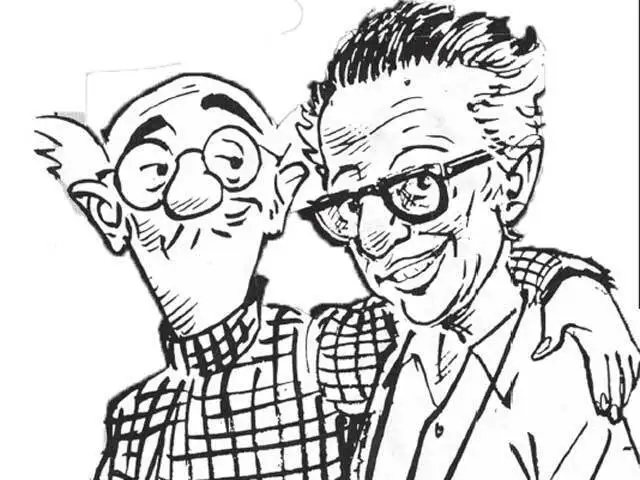
Text: Agencies
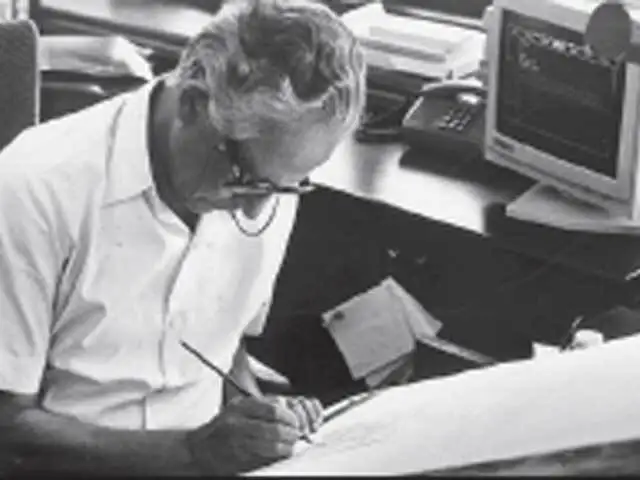
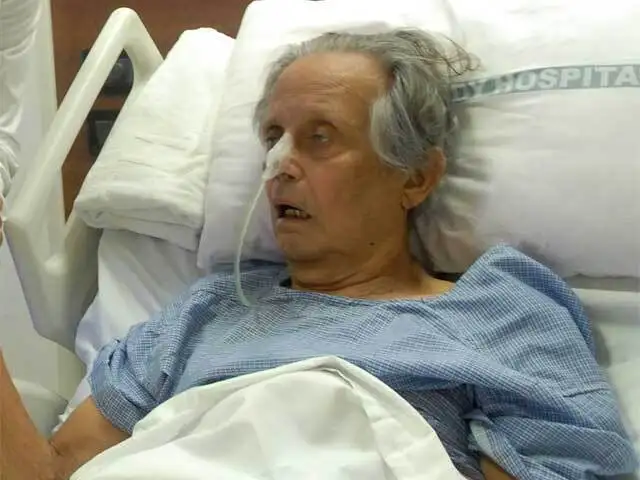
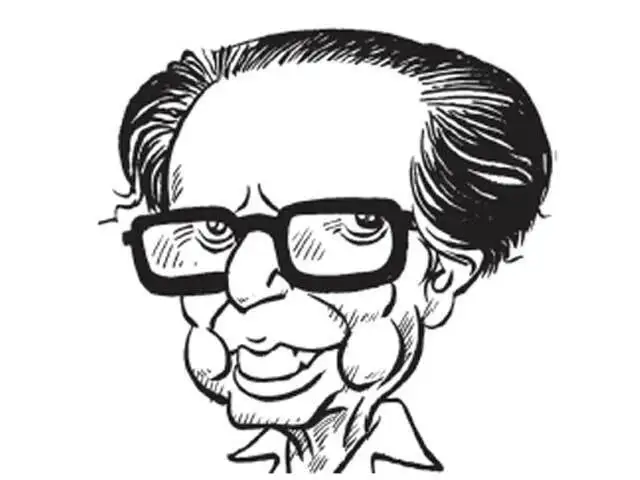
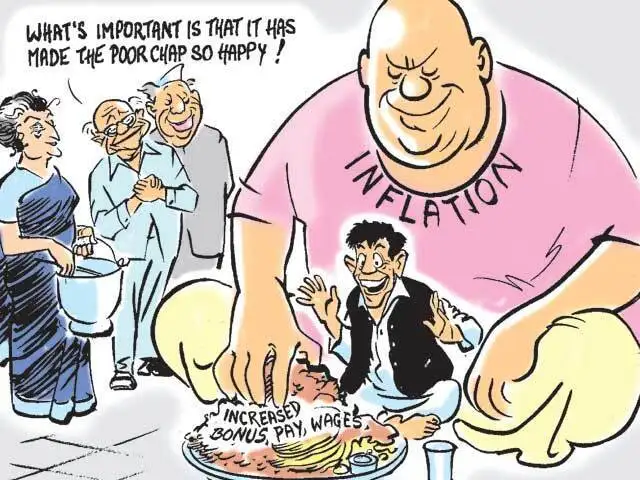
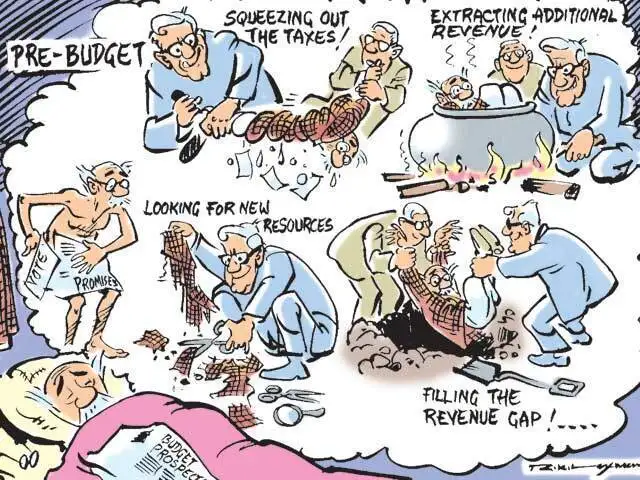
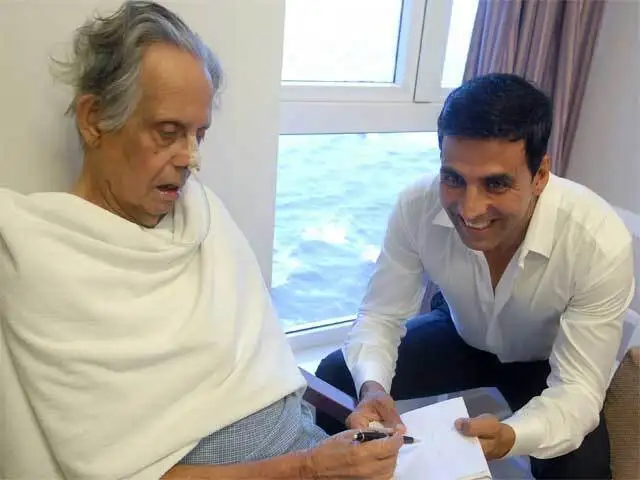
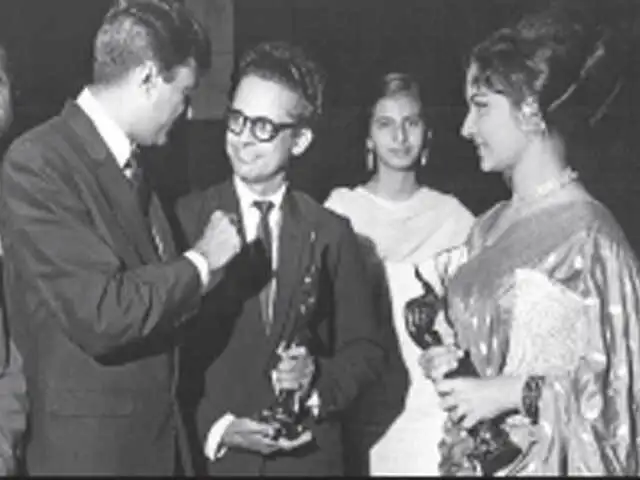
Eminent cartoonist RK Laxman, who immortalised the hapless 'Common Man' with his devastating swipes at politicians but without malice, died in Pune on 26th January, 2015, at a private hospital at the age of 94 after suffering multi-organ failure.
Eminent cartoonist RK Laxman, who immortalised the hapless 'Common Man' with his devastating swipes at politicians but without malice, died in Pune on 26th January, 2015, at a private hospital at the age of 94 after suffering multi-organ failure.

ADVERTISEMENT


