From keto diet to cycling carbs, there were a lot of fad diets that captured the imagination of Indians in 2019.
The Keto diet and intermittent fasting were the two most popular diets in 2019, according to a new survey.
As more people became health-conscious and image-sensitive over the last decade, there was a renewed focus on personal fitness with many adopting new diets and experimenting with different exercise routines.
“It is interesting to see the impact of emerging social trends on Indian fitness levels,” said Tushar Vashisht, co-founder and CEO, HealthifyMe - a health and fitness app. “From following fad diets on the one hand to binging while streaming their favourite shows on the other, 2019 saw a lot of change in the way people approached fitness.”
From intermittent fasting to cycling carbs, there were a lot of fad diets that captured the imagination of Indians in 2019. But which trends were the most popular and how did they help?
HealthifyMe asked 500 nutritionists and trainers across the country to decode the year’s biggest eating trends and the results were marginally surprising.
A number of Indians made moderate changes to their eating habits by switching out white rice and wheat for healthier grains.
ADVERTISEMENT
Fasting, not feasting An eating fad popular with Silicon Valley tech workers and Twitter CEO Jack Dorsey, intermittent fasting was one of the two most popular diets among Indians in 2019, the other being the keto diet (containing high fat and low carbohydrates). The keto diet has become very common for weight loss or to manage diseases like type 2 diabetes. Indians were also drawn to the vegan diet and the carb cycling diet (where you alternate carb intake on a daily, weekly or monthly basis).
On the flip side, Indians were not impressed by the Dukan diet, the Atkins diet and the paleo diet (only eating foods that were available during the Palaeolithic period such as dairy products, legumes and grains). Switching white for brown Not all Indians hopped onto a diet. A number of them made moderate changes to their eating habits by switching out white rice and wheat for healthier grains. They replaced white rice with brown rice and quinoa while wheat was replaced with millets, jowar and ragi.
Brown rice acquired a place on Indian dinner tables.
ADVERTISEMENT
In addition to picking healthier substitutes, a number of Indians tried to incorporate more superfoods like green tea, chia seeds and tumeric into their diet. Surprisingly though, they stayed away from superfoods like kale, wheatgrass and amla. Pick and choose “Frankly, we do not think one needs to make radical changes to their lifestyle to achieve fitness,” said Vashisht. “Setting realistic goals, exercising regularly and being calorie conscious is a sure shot path to sustainable fitness as per our experience. A little bit of discipline is all that it takes."
ADVERTISEMENT
World Nutrition Day: Proteins, Vitamins, Calcium And Other Nutrients You Need For A Balanced Diet
1/8
Too busy to prioritise what you eat? It just needs a conscious thought before eating any meal and basic understanding of different kinds of food and nutrients like Vitamin C, Vitamin A, iron, calcium, protein, energy and folic acid.
It is important to consume food that can provide good nutrition for a healthy lifestyle.
The Indian dietary guidelines recommend that a balanced diet should provide around 50-60% of total calories from carbohydrates, preferably complex carbohydrates, about 10-15% from proteins, and 20-30% from both visible and invisible fats. A balance diet should also provide vitamins and minerals along with dietary fibres and antioxidants.
Dr Rajan Sankar, Senior Advisor - Nutrition at Tata Trusts, shares what one needs to eat to get started.
Too busy to prioritise what you eat? It just needs a conscious thought before eating any meal and basic understanding of different kinds of food and nutrients like Vitamin C, Vitamin A, iron, calcium..
Read More
Carbohydrates are either simple or complex and are a major source of energy. Simple carbohydrates are found in fruits, vegetables, etc. while complex carbohydrates abound in cereals, roots, tubers, grains, etc. In the Indian diet, 70-80% of total dietary calories are derived from carbohydrates present in plant foods such as cereals, millets and pulses.
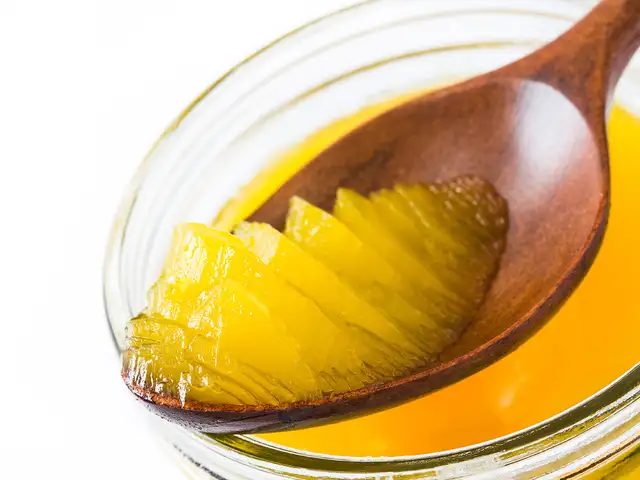
Also, fats - often termed 'bad' - are essential like other macronutrients. They are needed for energy, absorbing vitamin, and protecting the heart and brain health. Bad fats such as trans-fats and saturated fats, generally found in vegetable shortenings, butter, fried foods, hydrogenated oils are rightly blamed for weight gain and clogged arteries. But 'good' fats, such as unsaturated fats and omega 3, present in nuts and oil seeds, play a major role in managing mood, fighting fatigue, and even controlling weight.
Eat a lot of cereals, tubers, rice, wheat, potatoes, almonds, walnuts, coconut, groundnuts, oil seeds, vegetables oil, ghee, etc.
Carbohydrates are either simple or complex and are a major source of energy. Simple carbohydrates are found in fruits, vegetables, etc. while complex carbohydrates abound in cereals, roots, tubers, g..
Read More
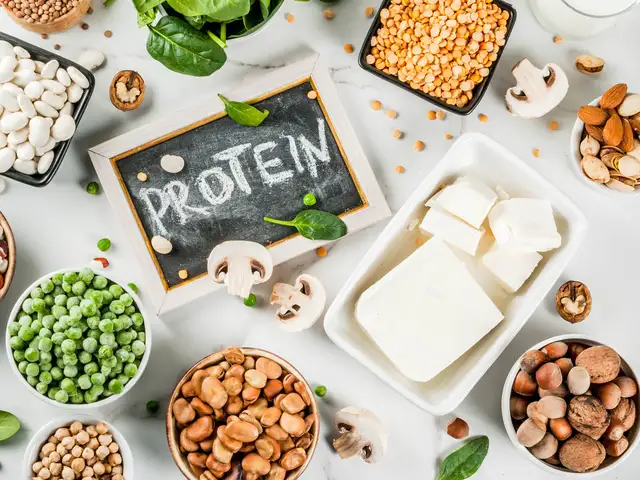
Proteins, the 'body-building foods', are primary structural and functional components of every living cell. Milk, meat, fish and eggs and plant foods such as pulses and legumes are rich in protein. A typical Indian diet is mainly vegetarian. Therefore, a combination of cereals, millets and pulses must be eaten as it provides most of the amino-acids, which complement each other to provide better quality proteins.
One should also eat Bengal gram, green gram, lentils, red gram, cheese, khoya, milk powder, and nuts and oilseeds like groundnuts, cashew nuts, almond.
Proteins, the 'body-building foods', are primary structural and functional components of every living cell. Milk, meat, fish and eggs and plant foods such as pulses and legumes are rich in protein. ..
Read More
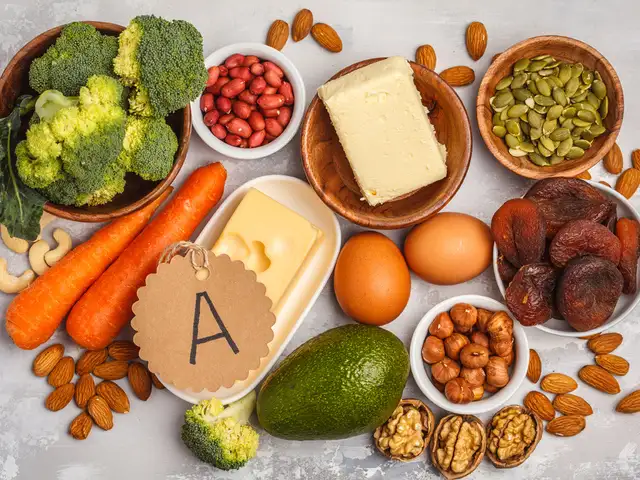
Vitamins and minerals, and essential micronutrients, are required by the body in small amounts. They are essential for maintenance of the structure of skin, bones, nerves, eyes, brain and organs, as well as battling infections. Deficiencies, however, can lead to severe problems. The best way to ensure healthy growth and development is to consume a wide variety of fresh foods like leafy vegetables like ambat chukka, coriander, spinach, mint, amaranth, fenugreek, radish leaves and curry leaves, pumpkin, green chilies, carrots, fruits like mangoes and papaya, eggs, meats, dairy products, pulses and cereals.
Vitamins and minerals, and essential micronutrients, are required by the body in small amounts. They are essential for maintenance of the structure of skin, bones, nerves, eyes, brain and organs, as ..
Read More
It's important to limit use of butter, refined flour, sugars, ready-to-eat fast food, and processed food. Cut down salt, soft drinks and fatty foods. Preferably, fill your plate with seasonal and locally available fruits and vegetables.
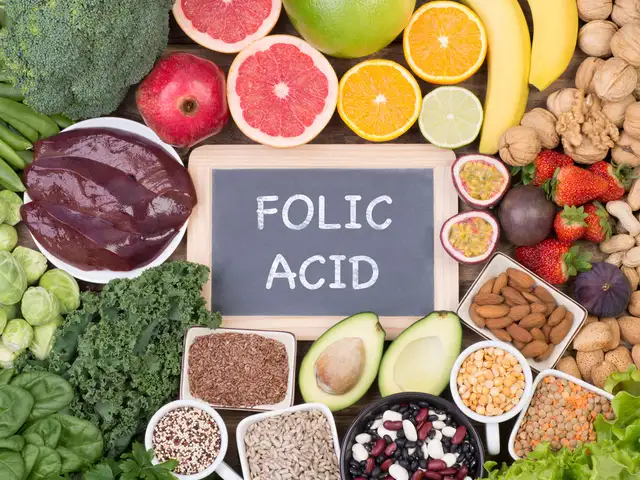
To have a good intake of folic acid, green leafy vegetables like amaranth, ambat chukka, mint and spinach, and pulses like Bengalgram, blackgram, greengram and redgram.
It's important to limit use of butter, refined flour, sugars, ready-to-eat fast food, and processed food. Cut down salt, soft drinks and fatty foods. Preferably, fill your plate with seasonal and lo..
Read More
Make sure half of your plate consists of fruits and vegetables. Also, don't forget to include whole grains and cereals.
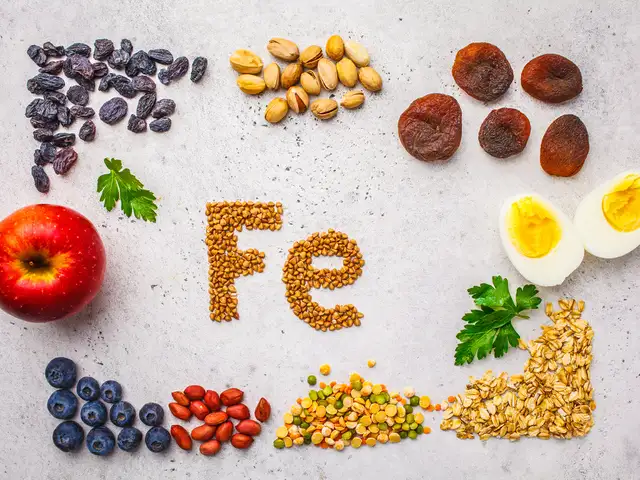
Iron deficiency can lead to extreme fatigue. To keep the haemoglobin level in desired levels, include iron-rich foods like amaranth, bengalgram, leaves, cauliflower, greens, radish leaves
Make sure half of your plate consists of fruits and vegetables. Also, don't forget to include whole grains and cereals.
Iron deficiency can lead to extreme fatigue. To keep the haemoglobin level in ..
Read More
While it is important to eat macronutrients (carbohydrate, proteins and fats) in relatively large quantities, it is sufficient to consume micronutrients (vitamins and minerals) in rather small quantities.
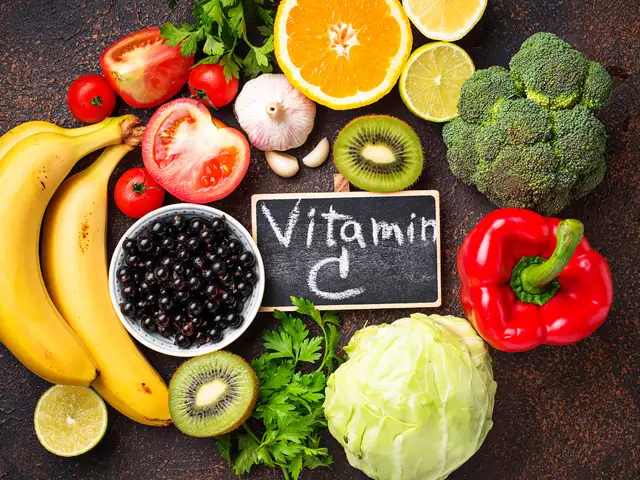
In order to get Vitamin C, eat more of citrus fruits, amla, guava, lemon, tomatoes, etc.
While it is important to eat macronutrients (carbohydrate, proteins and fats) in relatively large quantities, it is sufficient to consume micronutrients (vitamins and minerals) in rather small quant..
Read More
Always choose healthier options when eating out, and read the nutrition labels and ingredient list when buying food.
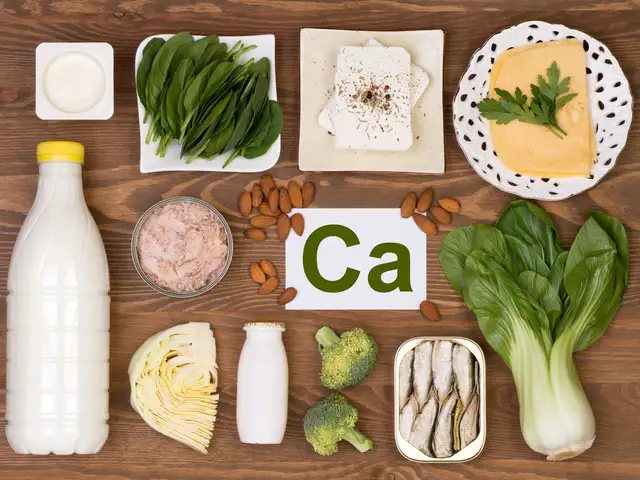
For a calcium-rich diet, eat cereals and legumes, ragi, kidney beans, soyabean, milk and milk products, nuts and oilseeds like coconut dry, almond, gingelly seeds, sunflower seeds.
Always choose healthier options when eating out, and read the nutrition labels and ingredient list when buying food.
For a calcium-rich diet, eat cereals and legumes, ragi, kidney beans, soyabean, ..