Reuse and recycle: Google, Microsoft & Dell join forces to tackle e-waste crisis by 2030
Short lifespans of many tech products has made e-waste the planet's fastest growing refuse.
By AFP |
iStock
According to the United Nations, more than 50 million tonnes of electronic waste was discarded in 2019, with the vast majority ending up in landfill and on scrap heaps.
PARIS: Major technology firms including Dell, Microsoft and Google have joined a new initiative aimed at creating a circular economy for electronics by 2030, amid mounting alarm over the world's ballooning e-waste problem.
The project comes as humanity's insatiable appetite for smartphones, household appliances and electronic car parts combined with the short lifespans of many tech products has made e-waste the planet's fastest growing refuse.
According to the United Nations, more than 50 million tonnes of electronic waste was discarded in 2019, with the vast majority ending up in landfill and on scrap heaps.
Those products contain gold, silver, copper and platinum as well as highly-prized rare earth metals.
With only 17 per cent of products recycled, the UN estimates that materials worth more than $55 billion (50 billion euros) are being wasted every year.
Meanwhile, more must be mined to make new products, sparking environmental and human rights fears.
ADVERTISEMENT
The new initiative, led by the World Business Council for Sustainable Development and the World Economic Forum, has outlined a vision for how industry might break this habit.
But this is only a first step and does not include financial commitments or firm targets, the groups caution.
Companies taking part include Cisco, Dell Technologies, Glencore, Google, KPMG International, Microsoft, Sims Limited and Vodafone.
"We can't continue to assume that we can produce as many products as we want without thinking about what happens at end of life," said Brendan Edgerton of the WBCSD, adding that electronics involved include "everything with a plug or a battery".
ADVERTISEMENT
Ideas range from designing products so that precious metals are easier to extract, to creating an "eco label" system, but Edgerton said the initial step was more modest -- coming up with a shared idea of what a circular economy might look like.
"What we're trying to do is make sure that when one company is going in one direction, another company isn't going in a different direction with the same goal," he told AFP.
ADVERTISEMENT
Dell has said half of the materials it uses will be "recycled or renewable" by 2030.
"But as an industry, we need to move faster," said Michael Murphy, Dell Vice President of Product Development Engineering.
In a separate announcement in October, Apple said its newest iPhones would be produced using completely recycled rare earth materials. With only 17 per cent of products recycled, the UN estimates that materials worth more than $55 billion (50 billion euros) are being wasted every year. 'New normal' Just over half of all emissions in the IT sector come from the use of equipment and data centres, with the rest from production, said James Pennington of the WEF.
"One of the key ways to bring down those emissions and meet net-zero targets is through a more circular economy -- reusing, recycling and extending the life of products," he said.
A briefing from the European Environment Agency last year said research into smartphones, televisions, washing machines and vacuum cleaners showed that their lifespan was more than two years shorter than either their designed or desired lifetimes.
There are nearly 700 million old "hibernating" mobile phones in Europe alone, amounting to some 14,920 tonnes of gold, silver, copper, palladium, cobalt and lithium with a value of over a billion euros.
Pennington said that while stronger waste regulations are crucial, more specialised recycling facilities are also needed to process the sheer volume of e-waste.
There are also concerns about creating incentives without ensuring that products are actually recycled, after illegal dumping of household plastics, particularly in Southeast Asia, has caused severe pollution.
The idea of an eco label, already being considered in Europe, could help people choose green electricals, but Edgerton said recycling principles would need to become the "new normal" to make a difference.
"For this to truly be at the scale that it needs to be, it needs to be available to everyday consumers, this can't be an upper class option to tick a green box, or we'll find ourselves in a situation that's not too different from today," he said.
Grow Herbs, Make Compost Of Kitchen Waste & Stock Essentials: Great Eco-Friendly Habits Post-Lockdown
1/6
We’ve enjoyed the cleaner air and quieter stress as one of the silver linings during the lockdown. And with the lockdown being relaxed in some cities, it begs the question - Is there an opportunity to make a shift in our environmental habits for good? Tetra Pak India shares a few simple planet positive habits to adopt during the lock-down that you can carry well into the post-lock-down life:
We’ve enjoyed the cleaner air and quieter stress as one of the silver linings during the lockdown. And with the lockdown being relaxed in some cities, it begs the question - Is there an opportunity t..
Read More
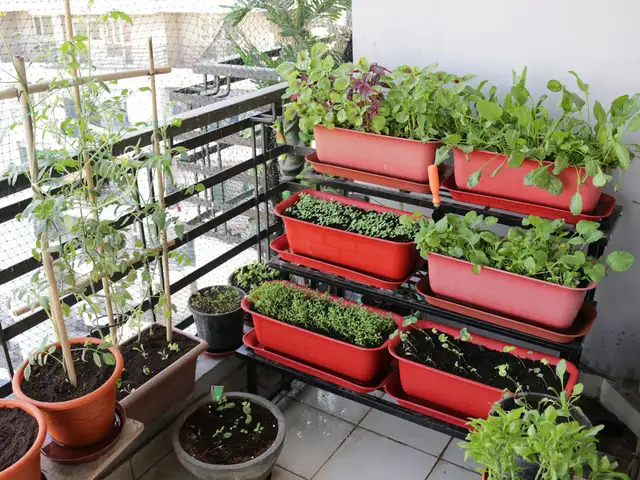
If you have unused kitchen items or old utensils, for example: old mugs, take-away food boxes etc. do not throw them away. You can spruce up your space by planting herbs like mint, coriander, parsley, even chillies right on your windowsill.
If you have unused kitchen items or old utensils, for example: old mugs, take-away food boxes etc. do not throw them away. You can spruce up your space by planting herbs like mint, coriander, parsley..
Read More
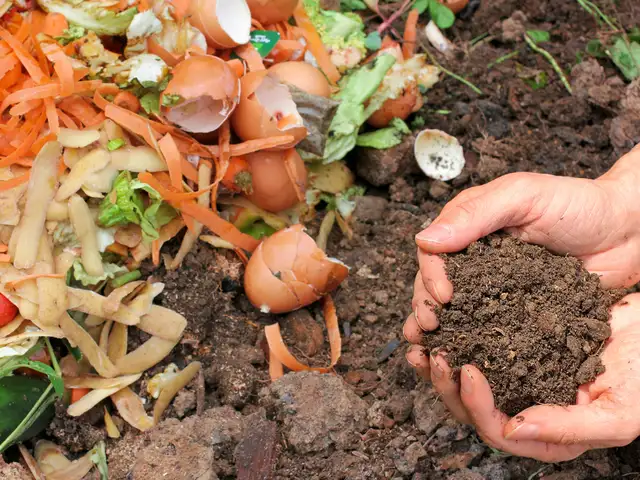
In an ideal world, all kitchens would opt for zero waste cooking. But for now, you can use all the organic kitchen waste to create manure at home. Vegetable and fruit peelings, eggshells and non-greasy waste can be used to make manure by adding some wood ash, sawdust and some garden waste, after mixing them place them into your compost bin. Homemade manure ready to nourish your plants.
In an ideal world, all kitchens would opt for zero waste cooking. But for now, you can use all the organic kitchen waste to create manure at home. Vegetable and fruit peelings, eggshells and non-grea..
Read More
Food safety and good nutrition is everyone’s primary concern. Packaged foods like milk, juices, purees etc. offer preservative free shelf-stable food, with the promise of safety and hygiene, but it is up to us to choose packaging that has the minimum environmental impact. Opt for recyclable packaging, snacks that come in paper-packaging that are biodegradable; home delivered food that comes with compostable cutlery, or no cutlery at all. Choose smart.
Food safety and good nutrition is everyone’s primary concern. Packaged foods like milk, juices, purees etc. offer preservative free shelf-stable food, with the promise of safety and hygiene, but it i..
Read More
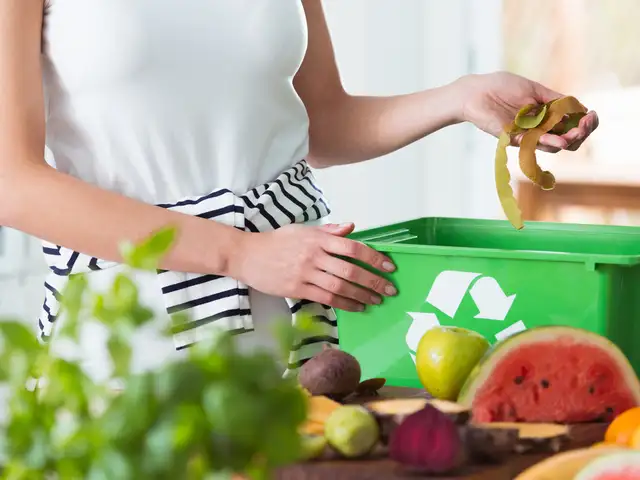
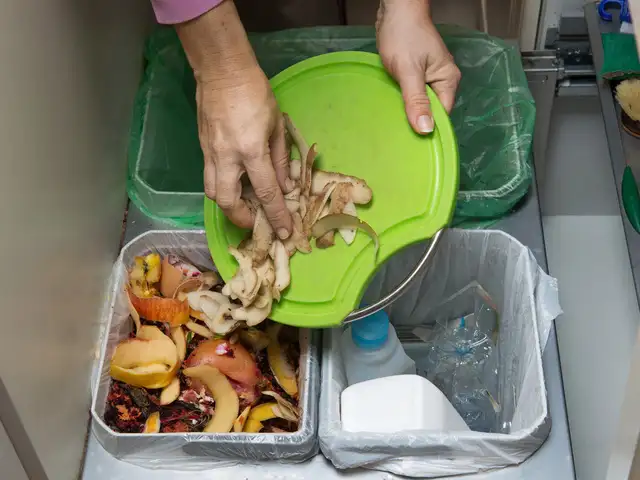
If you still don’t segregate your waste, today is the day to start. Segregate into as many different bins as you can. Organic wet waste for composting, dry recyclable waste like Milk/juice cartons, paper waste etc. for recycling, and hazardous waste like batteries/syringes/personal hygiene products for safe disposal. The more that gets recycled, the less is left for landfills.
If you still don’t segregate your waste, today is the day to start. Segregate into as many different bins as you can. Organic wet waste for composting, dry recyclable waste like Milk/juice cartons, p..
Read More
Even if we weren’t stocking up because of a pandemic, it makes immense sense to stock essentials like milk, pulses, flour, spices, rice, cooking oil, juices, purees etc. to last you at least 2-months to avoid making multiple trips to the market. You’ll avoid hassle, find great deals, save fuel, and help the environment.
Even if we weren’t stocking up because of a pandemic, it makes immense sense to stock essentials like milk, pulses, flour, spices, rice, cooking oil, juices, purees etc. to last you at least 2-months..





 The world’s oldest known star map was hidden beneath reused book pages for centuries before scientists finally recovered it2026-05-09T11:09:31Z

