Preparing for corona aid: Donald Trump wants Harvard to return the millions it received under stimulus package
The Massachusetts-based university was allocated $8.6 mn as part of the $2.2 trillion package passed last month.
By PTI | Updated:
Reuters
Harvard University did not respond directly to Donald Trump's call for the money to be repaid.
WASHINGTON: US President Donald Trump has insisted that Harvard, the world's wealthiest university, pay back millions it received under a massive government stimulus package meant to cushion the economy from the coronavirus pandemic. "Harvard, you pay that money back. I want Harvard to pay the money back, ok? And if they don't do that, then we'll do something else," Trump said at his daily briefing on the pandemic on Tuesday.
"I don't like it at all. This is meant for workers. This isn't meant for one of the richest institutions ... in the world," the billionaire president continued.
Shortly after Trump spoke, the Cambridge, Massachusetts-based university tweeted that it was allocated USD 8.6 million as part of the historic USD 2.2 trillion package passed last month to stimulate the collapsing US economy.
The Harvard University campus in Cambridge, Massachusetts. It said 100 per cent of the funds would be given to students "facing urgent financial needs due to the COVID-19 pandemic", and stressed that the money did not fall under the Paycheck Protection Programme for small business relief.
(1/5) Harvard did not apply for, nor has it received any funds through the U.S. Small Business Administration’s Pay… https://t.co/M38SaR3ffp
The university has been under fire for a day already over the funds.
"The last time Harvard got this much money out of the blue, they had to accept Jared Kushner," joked Comedy Central's The Daily Show on Twitter, referring to Trump's son-in-law, on Monday.
(3/5) Like most colleges and universities, Harvard has been allocated funds as part of the CARES Act Higher Education Emergency Relief Fund.
The Department of Education was to receive USD 30.8 billion to support schools and universities, which are closed across the country, under the stimulus package.
The Harvard Crimson reported on Tuesday that the university's endowment, the largest of any in the world, was last valued in 2019 at USD 40.9 billion -- though it cited administrators as saying that may have declined to the "mid 30-billion range" as a result of the coronavirus pandemic.
ADVERTISEMENT
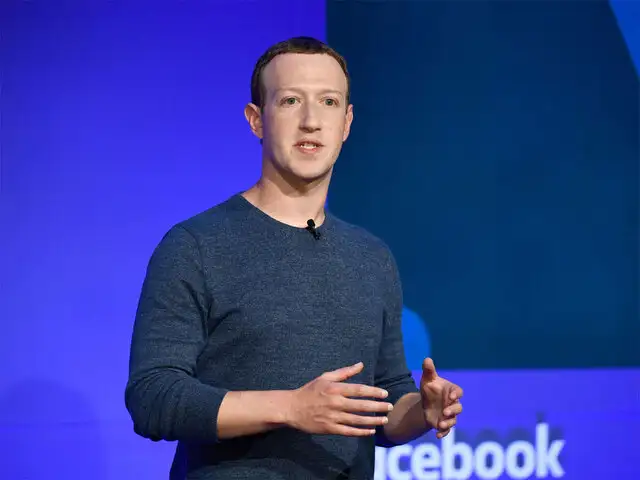
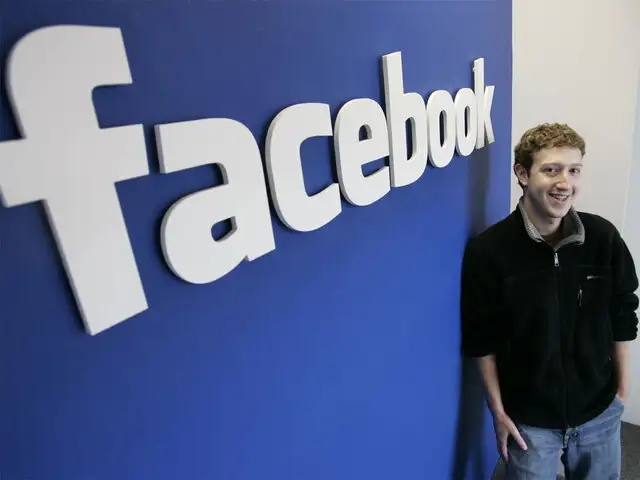
From A Harvard Dorm To 2.7 Bn Users: A Look At Facebook's 15-Year Journey
1/5
Social media giant Facebook turned 15 on Monday, at a time when the network has been facing flak for issues like fake news, manipulation, data leaks, privacy abuse, among others.
But despite the battles, co-founder and CEO Mark Zuckerberg, said he sees the network as a largely "positive" force for society.
In a post on the Facebook's 15th birthday, Zuckerberg shared the journey from his college dorm to present day. "It took about four years for 100 million people to connect, and less than a decade for 1 billion people to connect. Today, about 2.7 billion people are connected using the service," he elaborated.
Here's a look at the journey of what has now become the world's biggest social network.
Social media giant Facebook turned 15 on Monday, at a time when the network has been facing flak for issues like fake news, manipulation, data leaks, privacy abuse, among others.
But despite the bat..
Read More
After making the site, that began in a dorm-room in Harvard, available to everyone in 2006 the company launched the News Feed to help users see what their friends are up to.
In 2007, Pages were introduced to give people a way to connect to the things they're interested in.
After making the site, that began in a dorm-room in Harvard, available to everyone in 2006 the company launched the News Feed to help users see what their friends are up to. In 2007, Pages were intro..
Read More
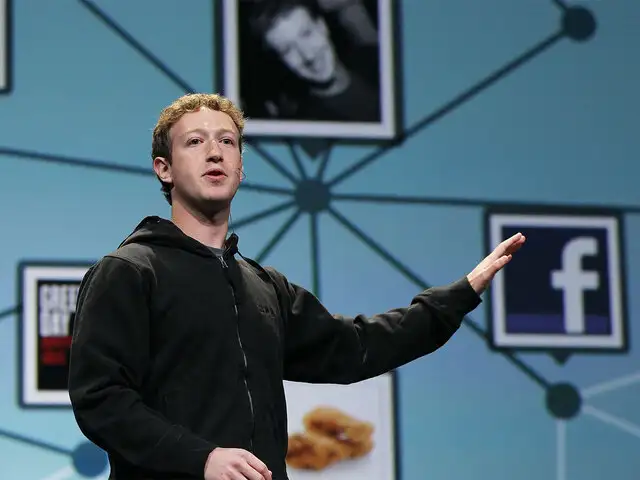
Facebook's expansion continued with the tech giant opening its first office in Asia-Pacific. The company set up shop in Sydney, Australia.
On the global front, the social network introduced the Groups feature to help people build communities. It also introduced the 'Like' button in the same year.
Facebook's expansion continued with the tech giant opening its first office in Asia-Pacific. The company set up shop in Sydney, Australia.
On the global front, the social network introduced the ..
Read More
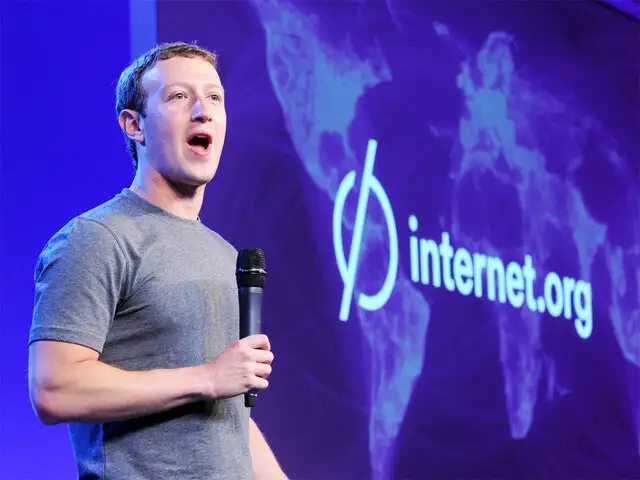
In 2013 just before Facebook was about to turn 10, Zuckerberg had a vision of a global Internet. The tech titan wanted to connect the two-thirds of the world that was not online yet - and towards that aim, he wanted to launch Internet.org.
However, even though he said the idea was aimed at a greater good and not for earning profits, the world - that had fallen in love Facebook - didn't agree with his second idea, saying it ran counter to net neutrality.
But despite making Internet.org among his top priorities for nearly three years, complete with advertisements, videos, and time - ranging from forums at the Mobile World Congress to visits to India and Africa, and even appearing before the UN General Assembly - Zuckerberg didn't manage to convince the world.
Facebook eventually changed the app’s name to Free Basics, but it was more than a name game, and not much came out of that either.
In 2013 just before Facebook was about to turn 10, Zuckerberg had a vision of a global Internet. The tech titan wanted to connect the two-thirds of the world that was not online yet - and towards tha..
Read More
Adding to the tech giant's growth, WhatsApp joined Facebook in 2014. In the same year, the company joined the Virtual Reality race with 'Oculus'.
On the sideline, the network continued to innovate and introduced 'Facebook Live' as a way to bring people together through real-time video.
2016 was the year Facebook went beyond its popular 'Like' feature, and cashed in on the growing emoji trend, with the introduction of 'Reactions'. The new feature gave users more ways to show how they felt about about posts.
As the community grew, it went from being just a place to connect to being a place of business with 'Marketplace'. The feature allowed users to buy and sell products on the site. In a bid to capture a more diverse market, Facebook also launched 'Fundraisers' - a means to let people raise money for causes they care about.
Adding to the tech giant's growth, WhatsApp joined Facebook in 2014. In the same year, the company joined the Virtual Reality race with 'Oculus'.On the sideline, the network continued to innovate and..
Business News › Magazines › Panache › Preparing for corona aid: Donald Trump wants Harvard to return the millions it received under stimulus packageText Size:AAA