Prehistoric Lascaux caves that were off-limits can now be explored, thanks to VR headsets

People can take a 45-min virtual tour through the 235 metre-long cave network from July 8.

iStock
The Lascaux cave was closed to the public in 1963 after the carbon dioxide, heat and humidity of nearly 2,000 visitors a day began damaging the paintings.
PARIS: Nearly six decades after France's prehistoric Lascaux caves were made off-limits, visitors will be once again be able to tour the site - only this time in virtual reality.

The cave network, discovered in 1940 by a boy whose dog fell down a hole, contains paintings of animals, human figures and abstract signs that date back as far as 17,000 years.

"We have two sections that have not been seen (by the public) before," said Muriel Mauriac, conservation manager at the Lascaux caves. "No one could access them because you needed to find your way through very narrow passages."


From July 8th, groups of six people wearing virtual reality headsets will be able to take a 45-minute tour through the 235 metre-long cave network, dubbed the Sistine Chapel of the prehistoric era.

The cave, located near the village of Montignac in France's Dordogne region, was closed to the public in 1963 after the carbon dioxide, heat and humidity of nearly 2,000 visitors a day began damaging the paintings.

In the most famous section, the Hall of the Bulls, horses, stags and a bear are depicted.
ADVERTISEMENT
Daredevils In Action! Thai Cave Mission A Success, Here Are Other Rescue Operations Worth A Recall
1/6
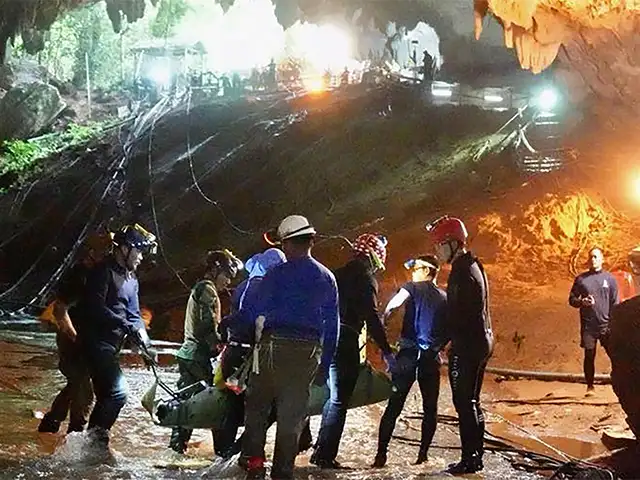
Even as the world watched the daring mission to rescue young footballers trapped in a Thai cave, here are some other brave rescue operations worth a recall.
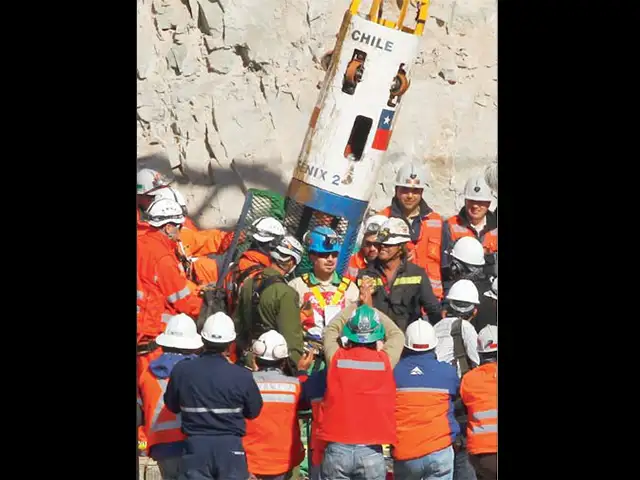
This is a tale of resurrection. Miners were working deep inside a Chilean mountain when sud-denly a single block of stone, weighing almost 77,000 tonnes, broke off from the rest of the mountain, sealing 33 miners inside. This was the beginning of a 69-day ordeal, where the miners waited to be rescued, as one billion view-ers around the world watched the operation on TV. Initially feared dead, a note by one of the miners found on a drilling device by initial rescuers was a ray of hope. Three separate drilling rig teams, nearly every Chilean government ministry, the United States’ NASA space agency, and a dozen corporations from around the world cooperated in the rescue. On October 13, 2010 the men were winched to the surface one at a time through a newly drilled escape tunnel into which a capsule was slowly lowered and raised by a giant crane.
This is a tale of resurrection. Miners were working deep inside a Chilean mountain when sud-denly a single block of stone, weighing almost 77,000 tonnes, broke off from the rest of the mountain, seal..
Read More
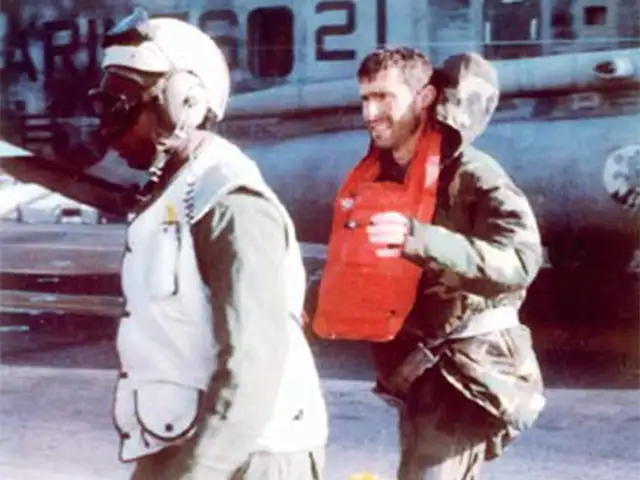
In June 1995, American Air Force captain Scott O’Grady was flying over Bosnia, when an air missile slammed into his F-16. He parachuted into en-emy territory and for almost a week he evaded the trigger-happy Serbian par-amilitary forces. On his sisxth night on the ground, he managed to make radio contact with the US Marines, sig-nalling his location, following which a rescue mission was launched. At 6:35 am, the helicopters approached the area where O’Grady’s signal bea-con had been traced and they pulled him to safety within seven minutes. However, as the Marines, with O’Grady onboard, flew low over Serbia-held Bosnia, an American aircraft detected a missile radar along the Croatian coast, scanning for targets. Minutes later, the Marines reported they were under fire. Three air missiles had been launched at them but missed, as the helicopter pilots evaded them. An hour-long evasion tactic later, they managed to fly to safety.
In June 1995, American Air Force captain Scott O’Grady was flying over Bosnia, when an air missile slammed into his F-16. He parachuted into en-emy territory and for almost a week he evaded the trigg..
Read More
On July 4 1976, under the cover of darkness, elite commandos from the Israeli Defense Force launched Operation Thunderbolt, the gutsy mission to rescue 100 Jewish passengers of an Air France jet that had been hijacked and flown to Entebbe Airport in Uganda. In exchange for the safe release of the Israeli hostages, the terrorists demanded the return of 53 Palestinian militants, 40 of whom were prisoners in Israel. The Israeli assault team consisted 29 commandos, dressed like Ugandan troops, who stormed into the airport. The mission was largely a suc-cess, with all seven hijackers and dozens of Ugandan soldiers killed.
On July 4 1976, under the cover of darkness, elite commandos from the Israeli Defense Force launched Operation Thunderbolt, the gutsy mission to rescue 100 Jewish passengers of an Air France jet that..
Read More
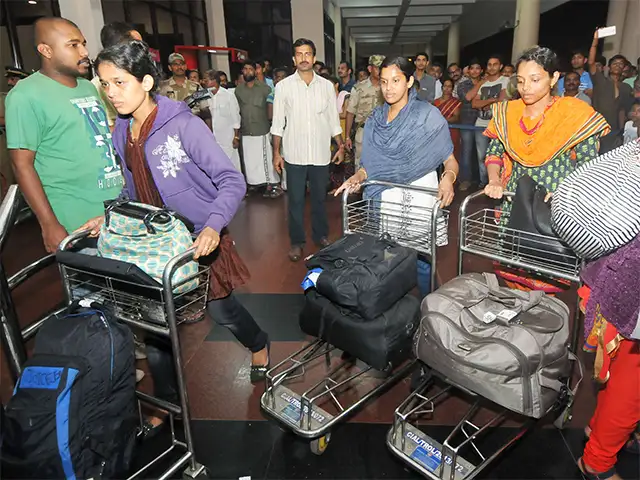
Operation Raahat was the name given to this daring rescue mission by the Indian Armed Forces to evacuate Indian citizens and foreign nationals from Yemen during the 2015 crisis. At a time when no country was able to secure the evacuation of its citi-zens caught in the war-torn nation, India set up camp in neighbouring Djibouti to carry out the evacuation by air, sea and rail. India’s coordination was such that the US Embassy advised American nationals to seek Indian assistance to leave Yemen. The operation helped rescue 4,000 Indian and 550 foreign nationals.
Operation Raahat was the name given to this daring rescue mission by the Indian Armed Forces to evacuate Indian citizens and foreign nationals from Yemen during the 2015 crisis. At a time when no cou..
Read More
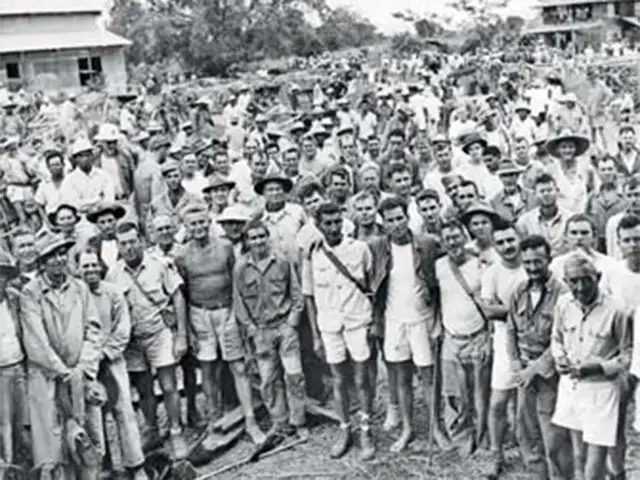
This was a rescue mission for Allied prisoners of war (POWs) and civilians from a Japanese camp near Cabanatuan City, in the Philippines. Following the fall of the Philippines in 1942, thousands of American and Filipino troops were sent to prison camps, with many dying along the way. On January 30, 1945, nearly 400 American Rangers, Scouts and Filipino guerrillas started a 30-minute attack on the camp, and rescued 500 POWs.
This was a rescue mission for Allied prisoners of war (POWs) and civilians from a Japanese camp near Cabanatuan City, in the Philippines. Following the fall of the Philippines in 1942, thousands of A..
Read More

Download
The Economic Times Business News App
for the Latest News in Business, Sensex, Stock Market Updates & More.
READ MORE
ADVERTISEMENT

READ MORE:

LOGIN & CLAIM

50 TIMESPOINTS

More from our Partners

Loading next story
Business News › Magazines › Panache › Prehistoric Lascaux caves that were off-limits can now be explored, thanks to VR headsets
Text Size:AAA
Success
This article has been saved

*

+