Pink City Jaipur named World Heritage site by UNESCO; PM Modi thrilled
The announcement was made at the 43rd Session of the UNESCO World Heritage Committee in Baku.
By PTI | Updated:

Getty Images
NEW DELHI: The Walled City of Jaipur, known for its iconic architectural legacy and vibrant culture, Saturday made its entry into the UNESCO World Heritage Site list.
"Just inscribed as @UNESCO #WorldHeritage Site: Jaipur City in Rajasthan, #India. Bravo," UNESCO tweeted Saturday afternoon.
The announcement was made after the 43rd Session of the UNESCO World Heritage Committee, underway at Baku (Azerbaijan) from June 30 to July 10, examined the nomination of the Walled City of Jaipur for inclusion in the World Heritage list.
Prime Minister Narendra Modi expressed happiness that the city has been recognised as a World Heritage Site.
"Jaipur is a city associated with culture and valour. Elegant and energetic, Jaipur's hospitality draws people from all over. Glad that this city has been inscribed as a World Heritage Site by @UNESCO," Modi tweeted.
A senior official said, ICOMOS (The International Council on Monuments and Sites) had inspected the city in 2018, post its nomination, adding, the WHC in Baku examined the nomination and inscribed it in UNESCO World Heritage Site list.
The historic walled city of Jaipur in Rajasthan, was founded in 1727 AD under the patronage of Sawai Jai Singh II. It serves as the capital city of the culturally-rich state of Rajasthan.
"The city was proposed to be nominated for its value of being an exemplary development in town planning and architecture that demonstrates an amalgamation and important exchange of ideas in the late medieval period.
"In town planning, it shows an interchange of ancient Hindu, Mughal and contemporary Western ideas that resulted in the form of the city," UNESCO Office in New Delhi had earlier said.
In addition, Jaipur City is an exceptional example of a late medieval trade town in South Asia and defined new concepts for a thriving trade and commercial hub. In addition, the city is associated with living traditions in the form of crafts that have national and international recognition, it said.
"The World Heritage Committee is composed of representatives of 21 States Parties to the World Heritage Convention who meet annually. The Committee is in charge of implementing the Convention. To date, 1,092 sites in 167 countries have been inscribed on the World Heritage List," it said.

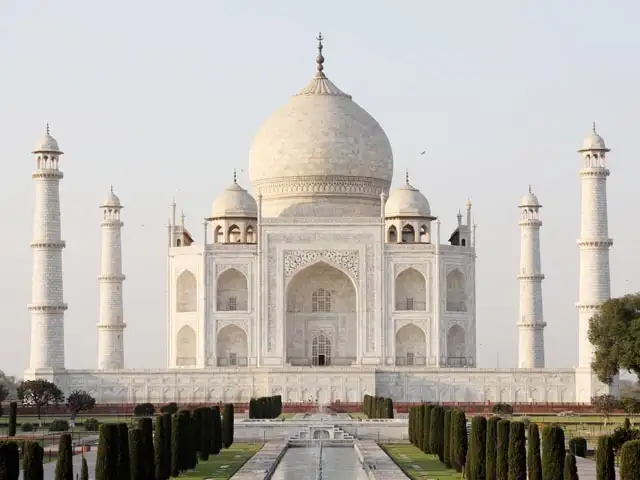
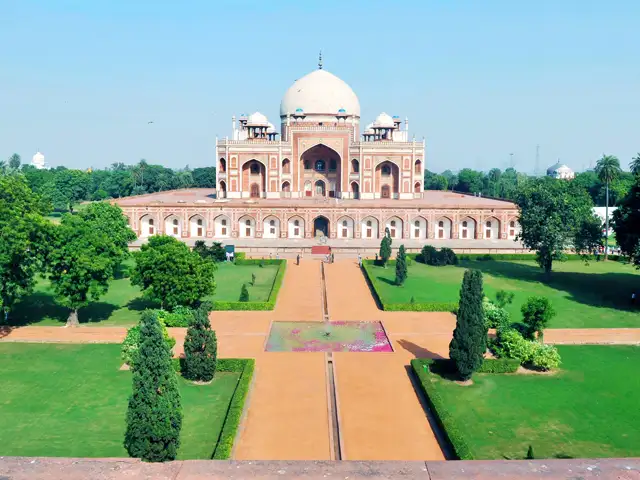
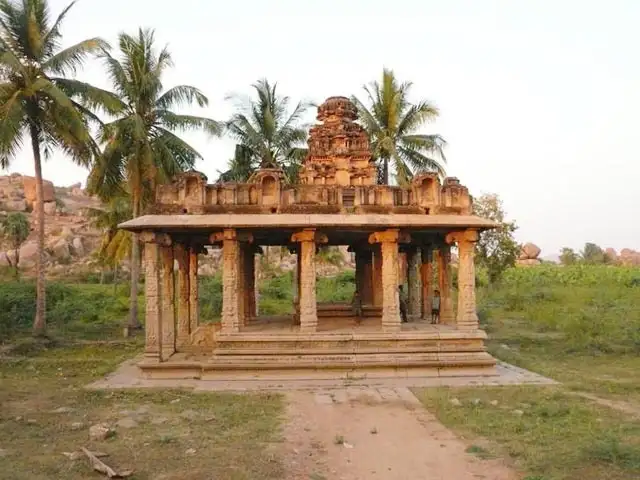
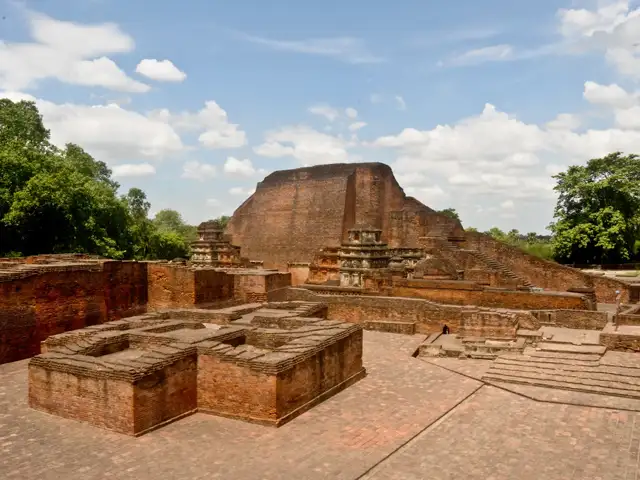
India has always treasured its perennial glory when it comes to culture and history. From man-made marvels to natural wonders, the country offers a plethora of stunning sites that should be at the top of every travelers bucket list.
Travelyaari, the leading online bus ticketing platform, shares an insight on the handpicked locations of top 10 world heritage sites listed by UNESCO.
"Just inscribed as @UNESCO #WorldHeritage Site: Jaipur City in Rajasthan, #India. Bravo," UNESCO tweeted Saturday afternoon.
The announcement was made after the 43rd Session of the UNESCO World Heritage Committee, underway at Baku (Azerbaijan) from June 30 to July 10, examined the nomination of the Walled City of Jaipur for inclusion in the World Heritage list.
Prime Minister Narendra Modi expressed happiness that the city has been recognised as a World Heritage Site.
�� BREAKING Just inscribed as @UNESCO #WorldHeritage Site: Jaipur City in Rajasthan, #India ����. Bravo �� ℹ️… https://t.co/AOjqsIDoOQ
— UNESCO (@UNESCO) 1562400053000"Jaipur is a city associated with culture and valour. Elegant and energetic, Jaipur's hospitality draws people from all over. Glad that this city has been inscribed as a World Heritage Site by @UNESCO," Modi tweeted.
ADVERTISEMENT
Jaipur is a city associated with culture and valour. Elegant and energetic, Jaipur’s hospitality draws people from… https://t.co/19dNZVjgS6
— Narendra Modi (@narendramodi) 1562403480000A senior official said, ICOMOS (The International Council on Monuments and Sites) had inspected the city in 2018, post its nomination, adding, the WHC in Baku examined the nomination and inscribed it in UNESCO World Heritage Site list.
The historic walled city of Jaipur in Rajasthan, was founded in 1727 AD under the patronage of Sawai Jai Singh II. It serves as the capital city of the culturally-rich state of Rajasthan.
"The city was proposed to be nominated for its value of being an exemplary development in town planning and architecture that demonstrates an amalgamation and important exchange of ideas in the late medieval period.
"In town planning, it shows an interchange of ancient Hindu, Mughal and contemporary Western ideas that resulted in the form of the city," UNESCO Office in New Delhi had earlier said.
ADVERTISEMENT
In addition, Jaipur City is an exceptional example of a late medieval trade town in South Asia and defined new concepts for a thriving trade and commercial hub. In addition, the city is associated with living traditions in the form of crafts that have national and international recognition, it said.
"The World Heritage Committee is composed of representatives of 21 States Parties to the World Heritage Convention who meet annually. The Committee is in charge of implementing the Convention. To date, 1,092 sites in 167 countries have been inscribed on the World Heritage List," it said.
ADVERTISEMENT
Travelyaari, the leading online bus ticketing platform, shares an insight on the handpicked locations of top 10 world heritage sites listed by UNESCO.





Download
The Economic Times Business News App for the Latest News in Business, Sensex, Stock Market Updates & More.
The Economic Times Business News App for the Latest News in Business, Sensex, Stock Market Updates & More.
Related Articles
 Cockroach Janta Party founder Abhijeet Dipke slapped during protest in Jaipur2026-06-15T12:41:41Z
- Delhi court declines interim relief to Indian Polo Association in Jaipur Polo Ground eviction case2026-06-13T10:03:42Z
- Jaipur firecracker factory fire: Three dead, five injured in massive blaze2026-06-09T08:07:20Z
ADVERTISEMENT


