Pandemic leads to a hidden epidemic: Over half of young urban Indians may develop diabetes
The risk of developing diabetes in 20-year-old men & women is 56% and 65%, respectively.
By PTI |
Getty Images
As urban centres continue to grow rapidly across India, decreasing diet quality, and decreased levels of physical activity are all contributing to this hidden epidemic.
NEW DELHI: More than half of men, and nearly two thirds of women currently aged 20 years in India could develop diabetes in their life time, with most of those cases likely to be type 2 diabetes, according to a new study. The research, published in the journal Diabetologia, estimated the probability of a metropolitan Indian of any age or body mass index (BMI) developing diabetes in their lifetime.
According to the scientists, including those from the Centre for Chronic Disease Control (CCDC) in New Delhi, the country already has a significant health burden caused by diabetes with more than 77 million adults currently afflicted by the condition, and the number expected to almost double to 134 million by 2045.
As urban centres continue to grow rapidly across India, they said decreasing diet quality, and decreased levels of physical activity are all contributing to this hidden epidemic.
In the study, the researchers assessed age-, sex- and BMI-specific incidence rates of diabetes in urban India based on data from the Centre for Cardiometabolic Risk Reduction in South Asia (2010-2018).
They also analysed the age-, sex- and urban-specific rates of mortality from period lifetables reported by the Government of India (2014), and the prevalence of diabetes reported by the Indian Council for Medical Research INdia DIABetes study (2008-2015).
Based on the analysis, the scientists said the lifetime risk of developing diabetes in 20-year-old men and women free of diabetes today is 56 and 65 per cent, respectively.
ADVERTISEMENT
Women generally had a higher lifetime risk across the lifespan, the study noted.
According to the researchers, for those currently aged 60 years and currently free of diabetes, around 38 per cent of women and 28 per cent of men would go on to develop diabetes.
They cautioned that obesity had a substantial impact on these projections, with the lifetime risk highest among obese metropolitan Indians -- 86 per cent among 20-year-old women, and 87 per cent among men.
People with lower BMI had considerably higher diabetes-free life expectancy and obese 20-year-olds were estimated to have around half of their remaining life years free from diabetes.
ADVERTISEMENT
However, those with normal or underweight BMI were projected to live out most of their remaining years diabetes-free, the scientists said.
"The remarkably high lifetime risk of developing diabetes and the low diabetes-free life expectancy in India's metropolitan cities, especially for individuals with high BMI, implies that interventions targeting the incidence of diabetes may be of paramount importance moving forward," the researchers noted in the study.
ADVERTISEMENT
Women generally had a higher lifetime risk across the lifespan. They noted that metropolitan Indians at every age and BMI have an alarmingly high probability of developing diabetes compared with results from high income countries, and that proactive efforts to prevent diabetes in cities are urgently needed.
According to the scientists, this is particularly needed given the rapid increase in "urban obesogenic environments" across the country.
In addition to these risk factors, the scientists said Indians already have a relatively high predisposition to developing the condition at both lower ages and lower BMIs when compared with white European populations.
"Such high probabilities of developing diabetes will have severely negative implications for India's already strained health system and also out-of-pocket expenditure on diabetes treatment by patients, unless diabetes is immediately acknowledged for what it is," said study co-author Shammi Luhar from the University of Cambridge in the UK.
"Despite these very high predicted lifetime risks of diabetes, it is possible to prevent or postpone diabetes by effective lifestyle modification, such as following a healthy diet, by increasing physical activity and reducing body weight in those who are obese or overweight," added Viswanathan Mohan, another co-author of the research from the Madras Diabetes Research Foundation in Chennai.
The scientists believe the need of the hour is policy and investment with clearly spelt out targets and commitments to meet by 2030.
"Perhaps an aspirational target of '90-90-90' (90 per cent of people with diabetes detected, 90 per cent of those detected treated, and 90 per cent of those treated controlled), is imminently needed," said study co-author Nikhil Tandon from the Department of Endocrinology and Metabolism, All India Institute of Medical Sciences (AIIMS) in New Delhi.
"Such a target could operate in the same way as the 90-90-90 targets introduced some years ago for HIV, which has since been replaced by even more ambitious 95-95-95 targets," Tandon added.
Want To Keep Diabetes Away? Eat Walnuts, Apples, Carrots
1/10
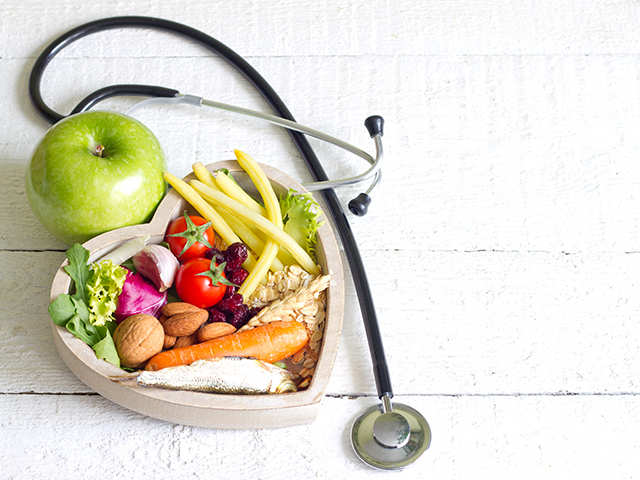
While being active, staying hydrated, and checking blood glucose levels can work wonders, it is important to stick to a dietary plan that will ward off diabetes in the long run.
A recent study showed that antioxidant-rich walnuts can nearly halve the risk of developing Type-2 diabetes.
For patients, the ideal diabetic diet plan would be to have 1200-1600 calories per day. It is recommended that diabetics should eat good carbs, fats, and healthy proteins, but in small portions.
Doctors and dieticians share ultimate list of foods you must consume to stay healthy.
While being active, staying hydrated, and checking blood glucose levels can work wonders, it is important to stick to a dietary plan that will ward off diabetes in the long run.A recent study showed ..
Read More
After news of walnuts as you new superfood to keep diabetes away, it's time to look at the other superhero nuts and seeds. They have protective effects for people with diabetes. Flaxseeds/linseeds, almonds, peanuts, pumpkin seeds, macadamia nuts, pistachios, cashew nuts, chia seeds, etc are the best nuts and seeds for diabetics as they reduce and regulate the insulin levels in the body.
After news of walnuts as you new superfood to keep diabetes away, it's time to look at the other superhero nuts and seeds. They have protective effects for people with diabetes. Flaxseeds/linseeds, ..
Read More
They are a good source of high biological value protein. Eggs have good cholesterol, also called as High Density Lipoprotein (HDL), which is good for heart health. Studies have shown that it improves insulin sensitivity. They give satiety and improve blood sugar levels.
They are a good source of high biological value protein. Eggs have good cholesterol, also called as High Density Lipoprotein (HDL), which is good for heart health. Studies have shown that it improve..
Read More
It has an active compound called curcumin which has shown to improve sugar, promote cardiovascular health, and protect against kidney diseases.
It has an active compound called curcumin which has shown to improve sugar, promote cardiovascular health, and protect against kidney diseases.
Salmon have excellent amount of Omega-3 fatty acids (DHA and EPA) which is good for diabetics. The patients need good fat in their diet, and fish reduce inflammation and coronary risks which are common in diabetes.
Salmon have excellent amount of Omega-3 fatty acids (DHA and EPA) which is good for diabetics. The patients need good fat in their diet, and fish reduce inflammation and coronary risks which are com..
Read More
It improves blood sugars and blood pressure in diabetics. It's a herb with many great health benefits.
It improves blood sugars and blood pressure in diabetics. It's a herb with many great health benefits.
It's a potent antioxidant, and works like a hypoglycaemic drug. One should restrict consumption of cassia cinnamon which is poor variety and has coumarin. It is available in most grocery stores in India. If this variant is consumed in excess, it can have side effects. One should go for the Ceylon variant with less coumarin.
It's a potent antioxidant, and works like a hypoglycaemic drug. One should restrict consumption of cassia cinnamon which is poor variety and has coumarin. It is available in most grocery stores in I..
Read More
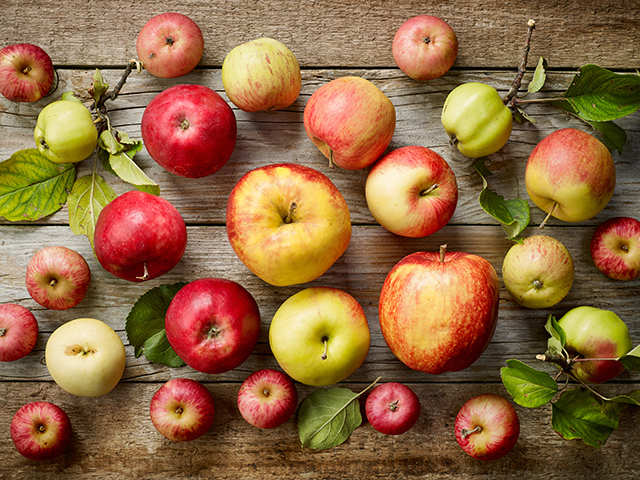
An apple a day keeps the doctor away! Apart from being great for your overall health, the natural-sugar in the fruit has a relatively low impact on the insulin and blood sugar levels in the body.
An apple a day keeps the doctor away! Apart from being great for your overall health, the natural-sugar in the fruit has a relatively low impact on the insulin and blood sugar levels in the body.
Diabetics can opt for carrots in their daily diet despite its sweet flavour as it can help manage blood glucose levels. Carrot juice may still contain sugar and carbohydrates, it won't spike the blood sugar levels.
Diabetics can opt for carrots in their daily diet despite its sweet flavour as it can help manage blood glucose levels. Carrot juice may still contain sugar and carbohydrates, it won't spike the bloo..
Read More
Whole tomatoes are low in carbohydrates. This fruit has minimal impact on blood sugars and is safe to consume for diabetics. Make sure you consume the fruit, and not the juice.
(Inputs from Dr Tejal Lathia, Consultant Endocrinologist, Hiranandani Hospital, Vashi - A Fortis Network Hospital; Dr Rohan Sequeira, Cardiometabolic Physician at Jaslok Hospital and Research Centre; Dr Mihir Raut, Consultant Physician & Diabetologist, Nanavati Super Speciality Hospital; Dietician Jasleen Kaur; and nutritionust Avni Kaul)
Whole tomatoes are low in carbohydrates. This fruit has minimal impact on blood sugars and is safe to consume for diabetics. Make sure you consume the fruit, and not the juice.
(Inputs from Dr Teja..