Obesity main reason in women over 35 for poor diabetes control & increased heart disease risk, says study
The Apollo study said that diabetes was high in southern, eastern parts of the country.
By PTI | Updated:
iStock
Data also indicated poor diabetes control in women with high cholesterol with a 0.5 increase in HbA1c diabetes marker levels.
NEW DELHI: Diabetes mellitus showed an "increased prevalence" in the southern and eastern parts of the country with an average national prevalence of 6.96 percent last year, a new study by a leading healthcare group has claimed.
On the eve of World Health Day, Apollo group held a virtual press conference and shared insights from the study, compiled in Health of the Nation 2022 report based on data gleaned from its clients over is digital platform in 2021, a spokesperson said.
"Key findings of the report for diabetes mellitus show an increased prevalence in the southern and eastern parts of the country with an average national prevalence of 6.96 percent. Urban areas showed a higher prevalence at 7.01 percent as compared to rural areas with 6.70 percent," it claimed in a statement.
The study also showed obesity in women over 35 years of age leading to poor diabetes control and increasing risk of heart disease and other complications.
The report highlighted the prevalence and distribution of non-communicable diseases (NCDs) across the country.
Based on "16 million anonymised responses to the COVID-19 Risk Assessment Scanner by Apollo 24/7, the report gives critical insights on trends in NCDs such as diabetes, hypertension and heart disease, COPD & asthma, obesity in different regions of the country", the group said in the statement.
ADVERTISEMENT
The report also underscores the potential of AI and data analytics in prediction of risk and early identification as well as management of NCDs. Men between the ages of 36 to 50 years have a 36% higher chance of developing hypertension than women in the same age range.Data also indicated poor diabetes control in women with high cholesterol with a 0.5 increase in HbA1c diabetes marker levels, it said.
In hypertension, the study showed a national prevalence of high blood pressure at over 8.18 percent with a higher incidence in North and East India.
Data also indicated that adult males between the ages of 36 to 50 years have a 36 percent higher chance of developing hypertension than adult females in the same age range. Urban areas at 8.6 percent showed a higher incidence as compared to rural areas with 7.58 percent, it added.
ADVERTISEMENT
Chronic obstructive lung disease (COPD) and asthma showed an incidence similar to global numbers at 2 percent. Here, females between 36-50 years of age showed a 1.3 times higher chance of developing COPD as compared to males, the study claimed.
Dr Prathap C Reddy, Chairman, Apollo Hospitals Group said, "The last year saw the country steadily building a bulwark against COVID-19 with a robust vaccination programme that led to a steady fall in the number of Covid cases.
ADVERTISEMENT
"As we emerge from the shadow of Covid, it is imperative to bring the focus back on the pandemic of NCDs, a focus that faced a disruption impacting diagnosis and treatment for millions of patients".
It is the only way we will succeed against the multiple challenges we face today with the pandemic, a polluted planet, and an increasing incidence of diseases that form the theme for World Health Day 2022 is 'Our Planet, Our Health', he was quoted as saying in the statement.
The Health of the Nation study also looked at corporate employee data of about 35,000, where the average prevalence of at least one NCD in employees is about 56 per cent, it said.
The NCD risk factors of high cholesterol is prevalent in 48 per cent of employees and obesity in 18 per cent of employees. There is variability across sectors, indicating that more sedentary corporate settings should consider ways to help their employees proactively reduce these risks, the report claimed.
Dr Sangita Reddy, Joint Managing Director, Apollo Hospitals Group, said, "NCDs are fuelled by many factors that include urban lifestyles with stress and unhealthy diets and an aging population.
"Study results, derived from 35,000 health checks done with the corporate in 2021, has also shown a high prevalence of NCDs among corporate employees. These insights will help us use technology to gain an upper hand in ensuring a healthy workforce".
Hypertension May Show No Signs: 18+ Adults Should Check BP, Limit Alcohol Intake To 2 Drinks, Cut Down On Salt
1/7
Hypertension is the most common and preventable risk factor for heart attacks, heart failure, stroke, kidney disease, and blockage of leg arteries causing pain and gangrene.
While it is important to follow a healthy lifestyle, one must educate oneself to control hypertension.
One can keep blood pressure (BP) under control with certain changes like eating a healthy diet (fruits/vegetables), working out daily, taking up a weight loss programme, quitting smoking, managing stress with yoga/meditation, and following up on medications and doctor's appointment regularly.
From lowering sodium intake to reducing alcohol intake, Dr Nikesh D Jain, Consultant Cardiologist at Jaslok Hospital and Research Centre, shares facts and myths about hypertension.
Hypertension is the most common and preventable risk factor for heart attacks, heart failure, stroke, kidney disease, and blockage of leg arteries causing pain and gangrene.While it is important to f..
Read More
Hypertension is known as the 'silent killer'. More than 50% hypertension patients do not show any signs or symptoms for many years, and continue to damage blood vessels of important organs in the body. Some patients may experience symptoms like headache, palpitations, chest pain and breathlessness due to hypertension.
As soon as an individual turns 18, he/she should ensure checking blood pressure. There is an increasing prevalence of hypertension in younger age group, and is expected to increase further due to lifestyle changes.
Hypertension is known as the 'silent killer'. More than 50% hypertension patients do not show any signs or symptoms for many years, and continue to damage blood vessels of important organs in the bo..
Read More
Salt restriction is the most important and effective way to control BP. Daily salt intake should not exceed 4-6 gram/day. Restricting salt means cutting down on intake of Sodium (Na). Apart from the regular table salt, we end up consuming a lot of sodium (approximately 75%) hidden in processed foods like sauce, packaged foods, chips, and junk food. While buying prepared or packaged foods, always look for Sodium (Na) content, and avoid high intake sodium-rich food items.
Kosher salt and table salt are the same, and both contain 40% sodium.
Salt restriction is the most important and effective way to control BP. Daily salt intake should not exceed 4-6 gram/day. Restricting salt means cutting down on intake of Sodium (Na). Apart from the..
Read More
Have a strong family history of hypertension puts you at a greater risk of developing the condition at an early age. However, healthy lifestyle changes have helped patients in delaying the onset of hypertension, and even preventing it in some cases.
Have a strong family history of hypertension puts you at a greater risk of developing the condition at an early age. However, healthy lifestyle changes have helped patients in delaying the onset of ..
Read More
Alcohol, when consumed in excess, causes hypertension, stroke, heart failure, irregular heartbeats, high cholesterol, cancer, and even accidents.
Alcohol intake should be restricted to two standard drinks per day for men and one drink daily for women. One standard drink equals 14 grams of pure alcohol - which is found in 340 grams of beer, over 110 grams of wine and more than 40 grams of distilled spirits.
Alcohol, when consumed in excess, causes hypertension, stroke, heart failure, irregular heartbeats, high cholesterol, cancer, and even accidents.
Alcohol intake should be restricted to two standard..
Read More
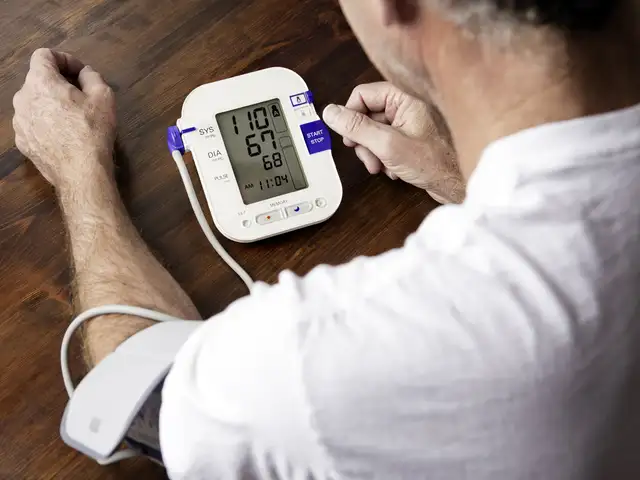
It is important to regularly monitor BP, and keep it under control. BP should be checked not only during the follow-up doctor's visit, but also regularly at home or workplace. BP levels fluctuate as per the body's activity level, stress or anxiety.
It is vital to check BP in the morning, evening and night. During these checks, avoid wide fluctuations. Doctor may also advise 24-hour ambulatory BP monitoring for the same.
It is important to regularly monitor BP, and keep it under control. BP should be checked not only during the follow-up doctor's visit, but also regularly at home or workplace. BP levels fluctuate as..
Read More
Medicines keep BP under control. Stopping medications can be harmful as it can raise BP to dangerous levels.
Hypertension is a lifelong disease, so medications have to continue lifelong. Though doses of medications can be occasionally reduced or stopped, if healthy lifestyle changes has been followed strictly. But, this should be under supervision of the doctor.
Medications can cause side-effects, but everyone doesn't experience it. Doctor regularly monitor for side-effects on follow-up visits. They may advise blood tests, if medications are changed or doses are increased. However, uncontrolled blood hypertension can cause more harm, so don't stop/change medications without consulting your doctor.
Medicines keep BP under control. Stopping medications can be harmful as it can raise BP to dangerous levels.
Hypertension is a lifelong disease, so medications have to continue lifelong. Though dose..
Business News › Magazines › Panache › Obesity main reason in women over 35 for poor diabetes control & increased heart disease risk, says studyText Size:AAA