Not stepping out? People are more likely to contract coronavirus at home, according to a study
Most corona-positive people end up infecting their own families.
By Reuters | Updated:
iStock
Children with COVID-19 were also more likely to be asymptomatic than adults.
SEOUL: South Korean epidemiologists have found that people were more likely to contract the new coronavirus from members of their own households than from contacts outside the home.
A study published in the U.S. Centers for Disease Control and Prevention (CDC) on July 16 looked in detail at 5,706 "index patients" who had tested positive for the coronavirus and more than 59,000 people who came into contact with them.
The findings showed that less than 2% of patients' non-household contacts had caught the virus, while nearly 12% of patients' household contacts had contracted the disease.
By age group, the infection rate within the household was higher when the first confirmed cases were teenagers or people in their 60s and 70s.
"This is probably because these age groups are more likely to be in close contact with family members as the group is in more need of protection or support," Jeong Eun-kyeong, director of the Korea Centers for Disease Control and Prevention (KCDC) and one of the authors of the study, told a briefing.
By age group, the infection rate within the household was higher when the first confirmed cases were teenagers or people in their 60s and 70s.
ADVERTISEMENT
Children aged nine and under were least likely to be the index patient, said Dr. Choe Young-june, a Hallym University College of Medicine assistant professor who co-led the work, although he noted that the sample size of 29 was small compared to the 1,695 20-to-29-year-olds studied.
Children with COVID-19 were also more likely to be asymptomatic than adults, which made it harder to identify index cases within that group.
"The difference in age group has no huge significance when it comes to contracting COVID-19. Children could be less likely to transmit the virus, but our data is not enough to confirm this hypothesis," said Choe.
Data for the study was collected between Jan. 20 and March 27, when the new coronavirus was spreading exponentially and as daily infections in South Korea reached their peak.
ADVERTISEMENT
KCDC has reported 45 new infections as of Monday, bringing the country's total cases to 13,816 with 296 deaths.
A lot of what you hear or read about the coronavirus may be myths. WHO data busts a few common misconceptions.
A lot of what you hear or read about the coronavirus may be myths. WHO data busts a few common misconceptions.
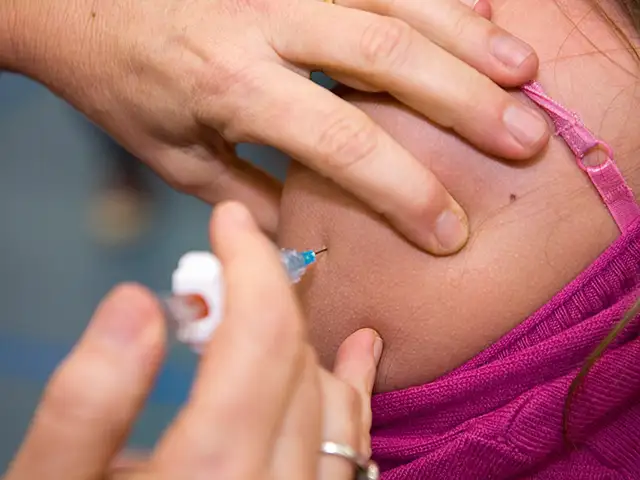
Myth: Pneumonia vaccines will protect you against coronavirus.
Reality: Vaccines against pneumonia, such as pneumococcal vaccine and Haemophilus influenza type B (Hib) vaccine, do not provide protection against coronavirus. The virus is so new and different that it needs its own vaccine. Researchers are trying to develop a vaccine against 2019-nCoV, and WHO is supporting their efforts. However, while they are not effective against 2019-nCoV, vaccination against respiratory illnesses is highly recommended to protect your health.
Myth: Pneumonia vaccines will protect you against coronavirus.
Reality: Vaccines against pneumonia, such as pneumococcal vaccine and Haemophilus influenza type B (Hib) vaccine, do not provide protec..
Read More
Myth: Ultraviolet disinfection lamp can kill the coronavirus.
Reality: UV lamps should not be used to sterilise hands or other areas of skin. Far from killing the virus, the UV radiation can actually cause skin irritation.
Myth: Ultraviolet disinfection lamp can kill the coronavirus.
Reality: UV lamps should not be used to sterilise hands or other areas of skin. Far from killing the virus, the UV radiation can actuall..
Read More
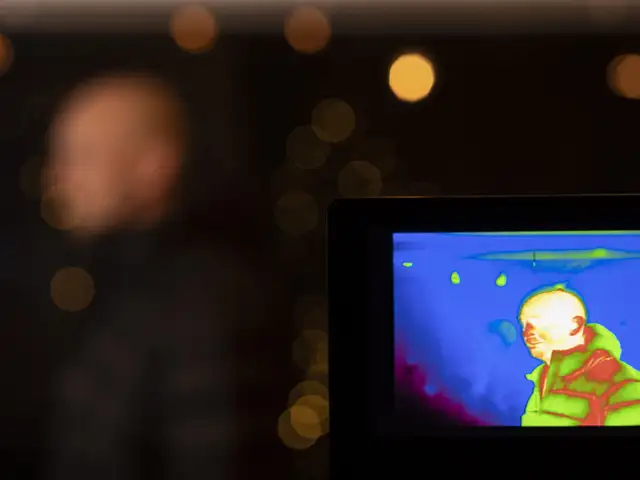
Myth: Thermal scanners can help detect infected people.
Reality: Thermal scanners are effective in detecting people who have developed a fever due to the coronavirus infection. However, they cannot detect people who are infected but are not yet sick with the fever. This is because it takes between two and 10 days before people who are infected become sick and develop a fever.
Myth: Thermal scanners can help detect infected people.
Reality: Thermal scanners are effective in detecting people who have developed a fever due to the coronavirus infection. However, they cannot ..
Read More
Myth: Spraying alcohol or chlorine all over the body kill the coronavirus.
Reality: Spraying alcohol or chlorine all over your body will not kill viruses that have already entered your body. In fact, spraying such substances can be harmful to clothes or mucous membranes (ie eyes, mouth). Be aware that both alcohol and chlorine can be used to disinfect surfaces, but they need to be used under appropriate recommendations.
Myth: Spraying alcohol or chlorine all over the body kill the coronavirus.
Reality: Spraying alcohol or chlorine all over your body will not kill viruses that have already entered your body. In fact..
Read More
Myth: Putting on sesame oil will block the coronavirus from entering the body.
Reality: Sesame oil does not kill coronavirus. There are some chemical disinfectants that can kill the 2019-nCoV on surfaces. These include bleach or chlorine-based disinfectants, solvents, 75 per cent ethanol, peracetic acid and chloroform. However, they have little or no impact on the virus if you put them on the skin or under your nose. It can even be dangerous to put these chemicals on your skin.
Myth: Putting on sesame oil will block the coronavirus from entering the body.
Reality: Sesame oil does not kill coronavirus. There are some chemical disinfectants that can kill the 2019-nCoV on sur..
Read More
Myth: Coronavirus mainly affects older people.
Reality: People of all ages can be infected by the 2019-nCoV. Older people, and people with preexisting medical conditions [such as asthma, diabetes, heart disease] appear to be more vulnerable. But WHO has advised people of all ages to take steps to protect themselves from the virus.
Myth: Coronavirus mainly affects older people.
Reality: People of all ages can be infected by the 2019-nCoV. Older people, and people with preexisting medical conditions [such as asthma, diabetes, h..
Read More
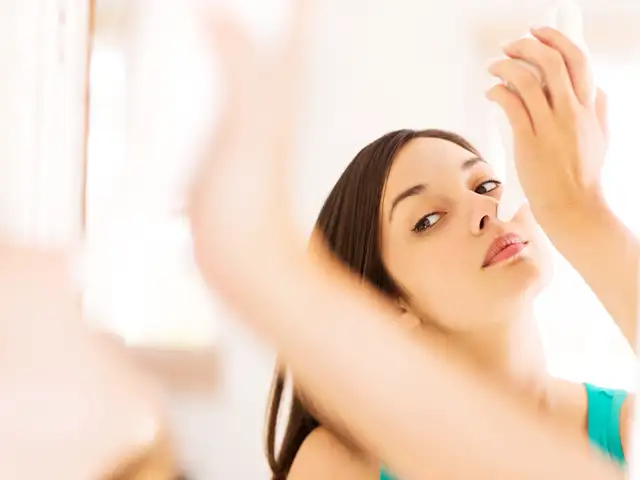
Myth: Rinsing your nose with saline will help prevent coronavirus infection.
Reality: There is no evidence that regularly rinsing the nose with saline has protected people from a coronavirus infection. But there is some limited evidence that regularly rinsing nose with saline can help people recover more quickly from a common cold. However, regularly rinsing the nose has not been shown to prevent respiratory infections.
Myth: Rinsing your nose with saline will help prevent coronavirus infection.
Reality: There is no evidence that regularly rinsing the nose with saline has protected people from a coronavirus infecti..
Read More
Myth: It’s not safe to receive letters or packages from China.
Reality: It is safe to receive letters and packages from China. People receiving packages from China are not at risk of contracting the coronavirus. From previous analysis, we know that coronaviruses do not survive long on objects such as letters or packages.
Myth: It’s not safe to receive letters or packages from China.
Reality: It is safe to receive letters and packages from China. People receiving packages from China are not at risk of contracting the..
Read More
Myth: Pets at home can spread the coronavirus
Reality: At present, there is no evidence that companion animals or pets such as dogs or cats can be infected with the coronavirus. However, it is always a good idea to wash your hands with soap and water after contact with these pets. This will protect you against various common bacteria such as E.coli and Salmonella that can pass between pets and humans.
Myth: Pets at home can spread the coronavirus
Reality: At present, there is no evidence that companion animals or pets such as dogs or cats can be infected with the coronavirus. However, it is alway..