There was a time when I went to the Farmer’s Market just as the stalls were being set up. I thought this was the best way to get the best veggies, but many others thought the same and the scenes of barely controlled violence in pursuit of perfect papayas were too much for Sunday morning.
Now I go later when there’s still plenty of produce and an unexpected bonus — piles of celery leaves that buyers have stripped off from the thick stalks. They don’t want to add them to the weight they have to pay for, but it’s dumb economising because the dark green leaves are bursting with celery flavour. The market vendors give them free. (Beautiful red veined beetroot leaves are also free, but I find they have a persistently muddy flavour).
The food writer Adrian Bailey memorably quoted his father describing how on a Sunday afternoon in England “you would hear a low, rustling, crunching sound. It is the entire English nation, eating celery.” They brought this love of celery to India and promoted growing it, but we don’t seem to have taken to it much. Vegetable sellers may have a few limp stalks, but I rarely see anyone buying them.
The fresh celery stalks in the Farmer’s Market clearly find more takers, their crunchiness ideal for a salad or cut into sticks where their natural slight saltiness makes them an ideal healthy alternative to chips. Celery diced with onions and carrots and then sautéed forms the flavourful base known as a mirepoix in French cooking or sofrito in Spanish, the starting point for many other dishes.
Celery works particularly well for this purpose because it contains chemicals called phthalides that seem to be flavour enhancers. This is also why celery is boiled to make a good stock for soup and celery leaves can also be added to extract their flavour. Another way to use their savoury, minerally taste is to dry the leaves and then grind them with salt to make celery salt (which is also made with celery seeds).
ADVERTISEMENT
But the leaves are so strong and vigorous it seems a pity not to use them like that. The inner celery stalks will have pale green fronds that can be chopped and used as an interesting garnish, but the outer leaves can be too tough and bitter. The answer is to blanch them briefly in boiling water and then plunge them into cold water to prevent overcooking. These can be made into a puree and used as the base for a chutney or dip.
The leaves can also be chopped and used like spinach — with the added benefit of that underlying strong savoury taste of celery. They are good in a stir-fry or added to the greens that make sarson-ka-saag. Or saute celery, onion, ginger and garlic and use it for dal, seasoned with masala and celery salt and with celery leaves added at the end for a delicious dish that really makes celery an Indian ingredient.
The Ultimate Health Guide: 6 Food Items To Keep Cholesterol In Control
1/7
By Ayush Rekha
The first step in having healthy cholesterol levels is examining your diet.
Here are some foods that can help keep your lipid profile in the desired range.
By Ayush Rekha
The first step in having healthy cholesterol levels is examining your diet.
Here are some foods that can help keep your lipid profile in the desired range.
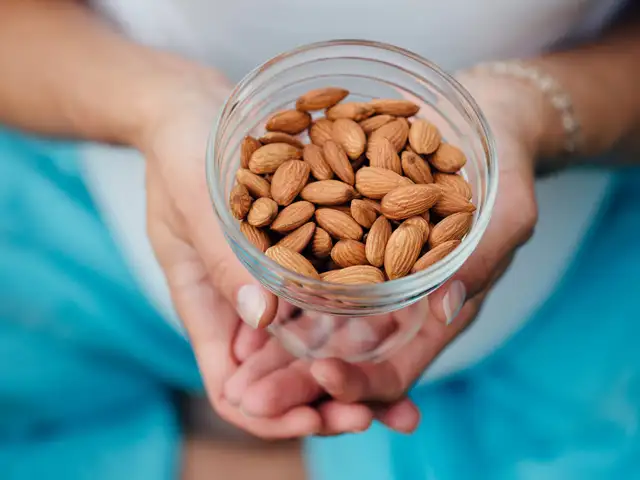
Rich in unsaturated fats, almonds help raise healthy (HDL) cholesterol and lower the unhealthy (LDL) one.
Rich in unsaturated fats, almonds help raise healthy (HDL) cholesterol and lower the unhealthy (LDL) one.
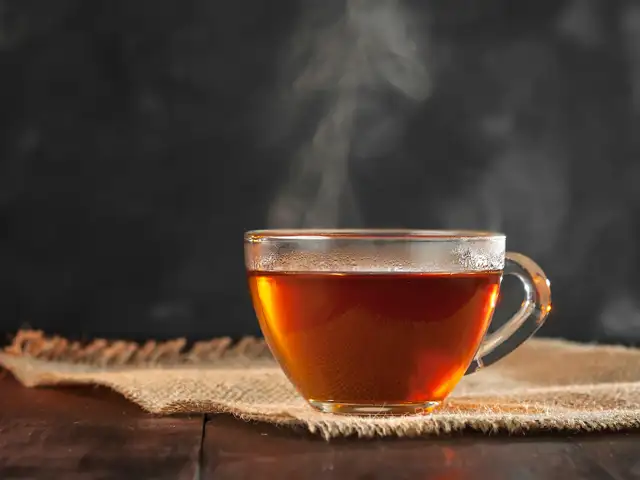
Both green and black tea can help lower cholesterol levels. Catechins in tea are responsible for this.
Both green and black tea can help lower cholesterol levels. Catechins in tea are responsible for this.
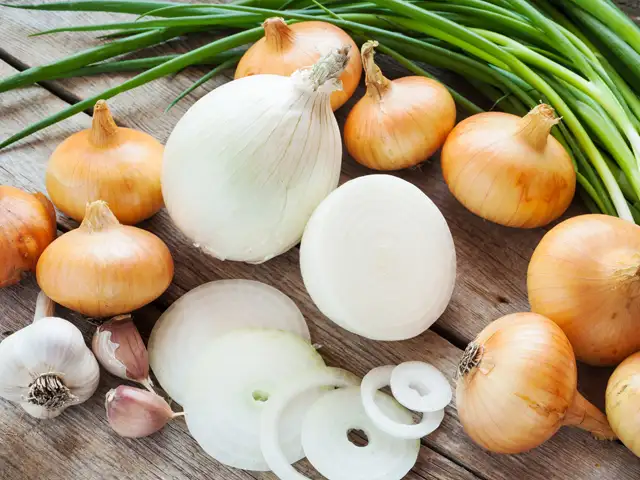
Garlic, spring onions and other onions can be used to lower cholesterol and protect the heart.
Garlic, spring onions and other onions can be used to lower cholesterol and protect the heart.
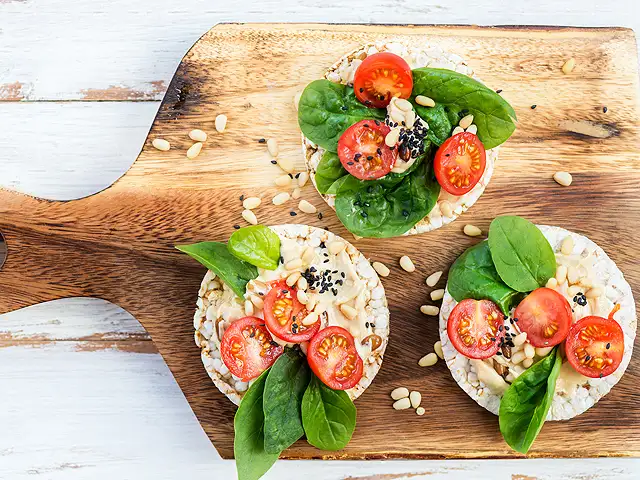
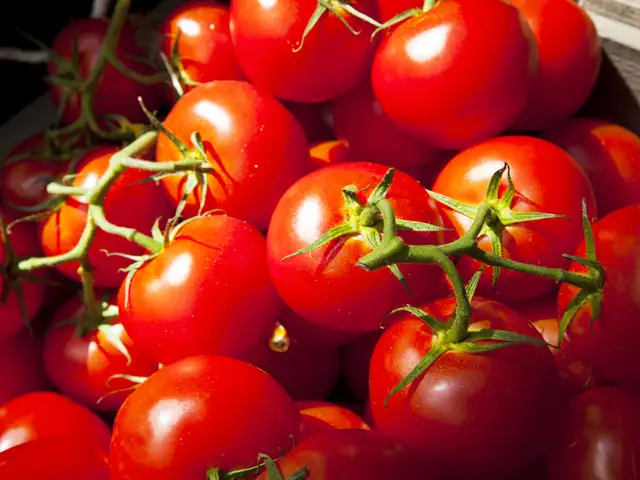
A significant source of lycopene, tomatoes are known to reduce LDL cholesterol levels.
A significant source of lycopene, tomatoes are known to reduce LDL cholesterol levels.
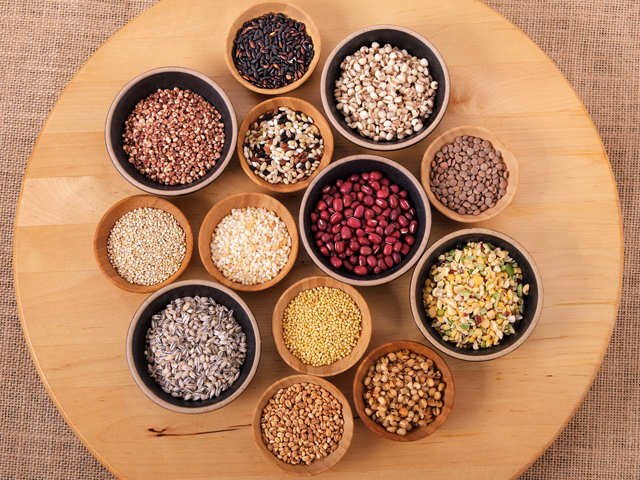
Soluble fibre in barley helps keep cholesterol levels in check without affecting HDL.
Soluble fibre in barley helps keep cholesterol levels in check without affecting HDL.
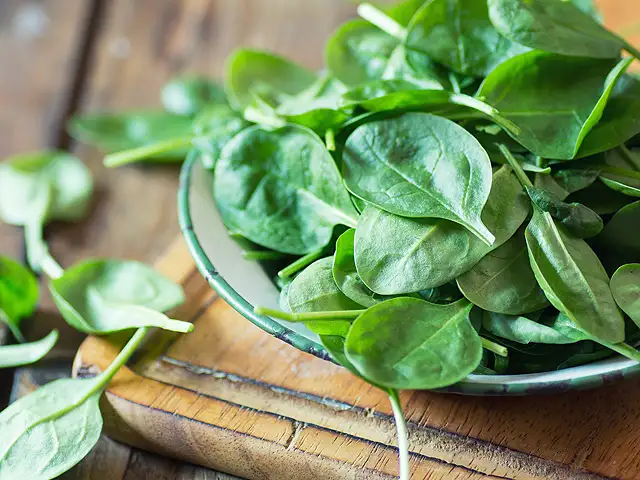
Spinach contains lutein, a carotenoid antioxidant that can lower levels of bad cholesterol.
Spinach contains lutein, a carotenoid antioxidant that can lower levels of bad cholesterol.