No monkey business: Slingshots won’t work on simians
India awaits a non-violent solution to the monkey menace — from Gujarat, of course.
By ET Bureau |
BCCL
It is not for nothing that monkeys are our close cousins—over 90% of our DNA is identical. They are almost as smart as us, and do not have that pesky cultural construct called civilisation hanging over their heads as a dampener to their more outre instincts.
No wonder monkeys refuse to be cowed by any of the conventional methods devised by us cousins to deter ‘pests’ of various kinds. Even the ubiquitous urban pigeons are now reportedly thwarted by the simple invention of a floating “terror eye” balloon; monkeys, unfortunately, are not bird brains.
Little wonder then that the personnel of the Central Indian Security Force (CISF) charged with protecting the Taj Mahal from all kinds of threats, have had to fall back on inefficient rubber catapults to repel the new simian menace around the pristine marble Unesco World Heritage Site.
But even this method has triggered the ire of animal activists as it causes pain to monkeys and thus falls foul of wildlife protection laws. There are reports that South Africa has developed a device that uses sound to deter monkeys but is inaudible to humans.
At a lower technological level, lion excreta is also cited by that country as an effective monkey deterrent. Perhaps Gujarat, as the world’s last habitat of the Asiatic Lion, can take a lead on supplying this non-violent monkey repellent.
Floyd Mayweather Adopts Baby Panda; Cricketers Who Batted For Animal Rights
1/5
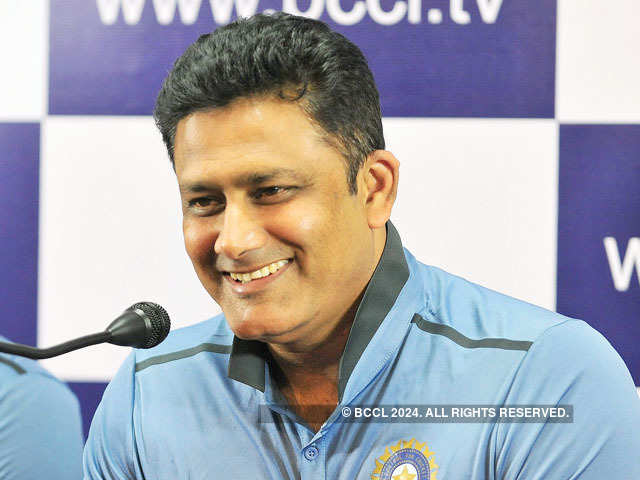
Anil Kumble
For the former Indian Test captain and coach, adopting just one animal wasn't cutting it, so he adopted three. The first was a King Cobra in 2010, when he was the vice-chairman of the Karnataka State Board for Wildlife. Kumble also adopted a giraffe named Lakshmi and an Asiatic lion named Shankara in the same year. He reportedly spends Rs 1.5 lakh on all three every year. He renews the adoption certificates for the animals, which bear the names of his kids – Aaruni, Mayas and Svasti.
Anil Kumble
For the former Indian Test captain and coach, adopting just one animal wasn't cutting it, so he adopted three. The first was a King Cobra in 2010, when he was the vice-chairman of the Ka..
Read More
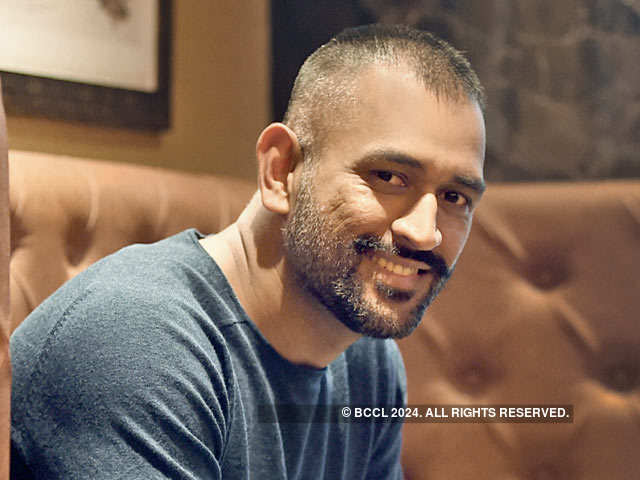
MS Dhoni
In 2011, Dhoni came good on his promise to Srinath and adopted a nine-year-old tiger, Agasthya , from the Mysore Zoo. "The tiger, our national animal, needs protection. I am adopting Agasthya to endorse and encourage our people to love animals and to stand for the cause of animal rights," Dhoni said. He shelled out Rs 1 lakh to help with the big cat's expenses.
MS Dhoni
In 2011, Dhoni came good on his promise to Srinath and adopted a nine-year-old tiger, Agasthya , from the Mysore Zoo. "The tiger, our national animal, needs protection. I am adopting Agasth..
Read More
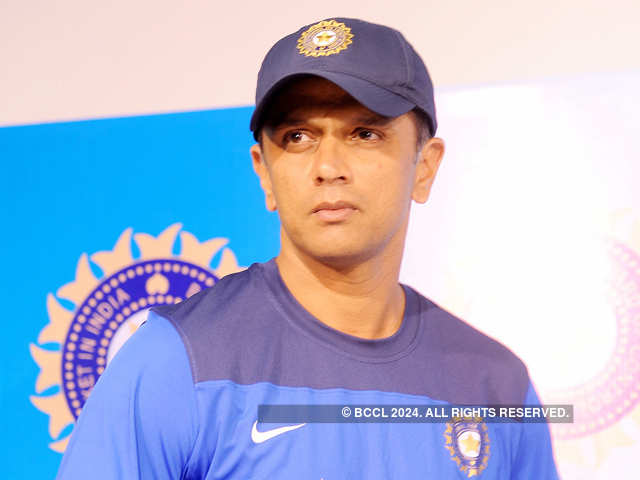
Rahul Dravid
After the Mysore zoo lost three African Hunting Cheetahs in less than a month in 2012, the former India captain and coach of the under-19 India team adopted two remaining African Hunting cheetahs — Brinda and Tejas, for Rs 50,000, during his visit to the park. It was reported at the time that Dravid adopted the two cubs in his sons' names — Samit and Anvay.
Rahul Dravid
After the Mysore zoo lost three African Hunting Cheetahs in less than a month in 2012, the former India captain and coach of the under-19 India team adopted two remaining African Huntin..
Read More
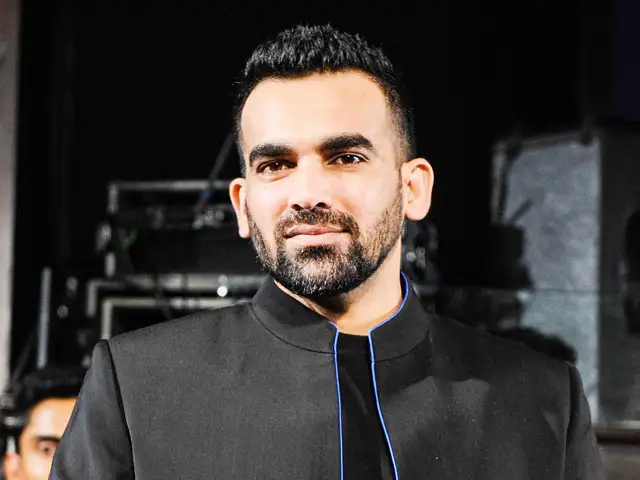
Zaheer Khan
He may have induced fear on the field with his guile, but retired cricketer Zaheer Khan was bowled over by a tiger, which he ended up adopting in 2011. The tiger, Brahma, is one of the most famous cats at the Jayachamarajendra Zoological Park in Mysore. The eightyear-old tiger's regal demeanour impressed Khan. He paid Rs 1 lakh sum for his annual maintenance at the zoo.
Zaheer Khan
He may have induced fear on the field with his guile, but retired cricketer Zaheer Khan was bowled over by a tiger, which he ended up adopting in 2011. The tiger, Brahma, is one of the m..
Read More
Javagal Srinath
Setting off a host of other high-profile animal adoptions, the former Indian pacer and ICC match refree adopted a jaguar, which was procured from Delhi's National Zoological Park, in 2010 at the Sri Chamarajendra Zoological Gardens in Mysore. Why? Maybe because he saw a bit of himself in the animal, especially his thirst for speed. "I adopted a jaguar because of its speed and mercurial action," Srinath was quoted as saying. The fast bowler paid the zoo Rs 35,000 for a year which covers the wildcat's upkeep fee.
Javagal Srinath
Setting off a host of other high-profile animal adoptions, the former Indian pacer and ICC match refree adopted a jaguar, which was procured from Delhi's National Zoological Park, in..