No cameras, please! This 19th-century empress refused to be snapped, ever
From tattooing her shoulder to drinking wine with breakfast, Elisabeth of Austria had many quirky, particular habits.
By New York Times | Updated:

Agencies
The 19th - century empress Elisabeth of Austria is everywhere in Vienna: On chocolate boxes, on bottles of rosé, and on posters around the city. The Greek antiques she collected are at Hermesvilla, in the city outskirts; her hearse is at Schönbrunn Palace, the former summer residence of the Habsburg royal family; and her cocaine syringe and gym equipment are on display at the Hofburg, which was the monarchy’s central Vienna home.
These traces paint an enticing but incomplete picture of an empress who receded from public life not long after entering it and spent most of her time travelling the world to avoid her own court. She had a tattoo on her shoulder, drank wine with breakfast, and exercised two to three times a day on wall bars and rings in her rooms. These eccentricities, combined with her refusal to have her picture taken after her early 30s, fuelled an air of mystery around her. ‘SHE DIDN’T WANT TO BE SEEN’ Now, nearly 125 years after her assassination at age 60, Elisabeth, who was married to Emperor Franz Josef I, is still largely a mystery. While alive, Elisabeth, who also went by Sisi, travelled constantly, often to Hungary, Greece and England, and was rarely seen by the V i e n n e s e public.
In private , she wrote poetry, rode horses and hunted , hiked high into the Alps, read Shakespeare, studied classical and modern Greek, took warm baths in olive oil and wore leather masks filled with raw veal as part of her skin-care routine. “She was such a recluse,” said Michaela Lindinger, a curator at the Wien Museum, who has studied Elisabeth for more than two decades and wrote My Heart Is Made of Stone: The Dark Side of the Empress Elisabeth. “People didn’t see her, and she didn’t want to be seen,” Lindinger said.
Nevertheless, she was the empress of Austria and later the q u e e n o f Hungary, so she was widely discussed. “No matter how much she fled the attention, scrutiny and the court, she was always pursued,” s a i d Allison Pataki, who wrote two historical novel about Elisabeth, The Accidental Empress and Sisi: Empress on Her Own. “She was thrust into the spotlight as this young girl who was chosen by the emperor, in large part because of her beauty.”
An Object Of Fascination
After Elisabeth was killed by an anarchist in Switzerland in 1898, she became an object of fascination throughout the Habsburg Empire, and her image appeared on commemorative coins and in memorial pictures. In the 1920s , a series of novels about her were published, focusing on her love life. As the story goes, Franz Josef was expected to propose to Elisabeth’s older sister, Duchess Helene, but he changed his mind once he saw Elisabeth.
Much of what is known about the empress’s personal life comes from her poems, letters and recollections from her children, her ladies in-waiting and her Greek tutor. “She’s a myth in so many ways,” Kreutzer said. “It was a different time. There was no media. There are few photographs of her.” After her early 30s, Elisabeth refused to have her picture taken, and the last time she sat for a painting was at age 42.
Photos and paintings of her that are dated later are either retouched or composites. Pataki said that throughout her life, Elisabeth fought against the constricting role of being an empress. From her poems, intellectual pursuits and travels, it appears as if Elisabeth was always looking outward, imagining herself anywhere but where she was. In a poem from 1880, she gave a hint of what she might have been thinking during all the time she spent on the deck of her yacht: “I am a seagull from no land / I do not call any one beach my home. / I am not tied by any one place, / I fly from wave to wave."
These traces paint an enticing but incomplete picture of an empress who receded from public life not long after entering it and spent most of her time travelling the world to avoid her own court. She had a tattoo on her shoulder, drank wine with breakfast, and exercised two to three times a day on wall bars and rings in her rooms. These eccentricities, combined with her refusal to have her picture taken after her early 30s, fuelled an air of mystery around her. ‘SHE DIDN’T WANT TO BE SEEN’ Now, nearly 125 years after her assassination at age 60, Elisabeth, who was married to Emperor Franz Josef I, is still largely a mystery. While alive, Elisabeth, who also went by Sisi, travelled constantly, often to Hungary, Greece and England, and was rarely seen by the V i e n n e s e public.
In private , she wrote poetry, rode horses and hunted , hiked high into the Alps, read Shakespeare, studied classical and modern Greek, took warm baths in olive oil and wore leather masks filled with raw veal as part of her skin-care routine. “She was such a recluse,” said Michaela Lindinger, a curator at the Wien Museum, who has studied Elisabeth for more than two decades and wrote My Heart Is Made of Stone: The Dark Side of the Empress Elisabeth. “People didn’t see her, and she didn’t want to be seen,” Lindinger said.
Nevertheless, she was the empress of Austria and later the q u e e n o f Hungary, so she was widely discussed. “No matter how much she fled the attention, scrutiny and the court, she was always pursued,” s a i d Allison Pataki, who wrote two historical novel about Elisabeth, The Accidental Empress and Sisi: Empress on Her Own. “She was thrust into the spotlight as this young girl who was chosen by the emperor, in large part because of her beauty.”
An Object Of Fascination
After Elisabeth was killed by an anarchist in Switzerland in 1898, she became an object of fascination throughout the Habsburg Empire, and her image appeared on commemorative coins and in memorial pictures. In the 1920s , a series of novels about her were published, focusing on her love life. As the story goes, Franz Josef was expected to propose to Elisabeth’s older sister, Duchess Helene, but he changed his mind once he saw Elisabeth. Much of what is known about the empress’s personal life comes from her poems, letters and recollections from her children, her ladies in-waiting and her Greek tutor. “She’s a myth in so many ways,” Kreutzer said. “It was a different time. There was no media. There are few photographs of her.” After her early 30s, Elisabeth refused to have her picture taken, and the last time she sat for a painting was at age 42.
ADVERTISEMENT
Photos and paintings of her that are dated later are either retouched or composites. Pataki said that throughout her life, Elisabeth fought against the constricting role of being an empress. From her poems, intellectual pursuits and travels, it appears as if Elisabeth was always looking outward, imagining herself anywhere but where she was. In a poem from 1880, she gave a hint of what she might have been thinking during all the time she spent on the deck of her yacht: “I am a seagull from no land / I do not call any one beach my home. / I am not tied by any one place, / I fly from wave to wave."
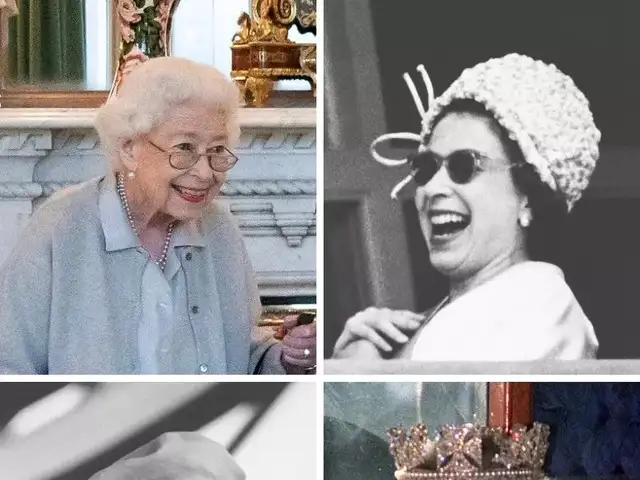
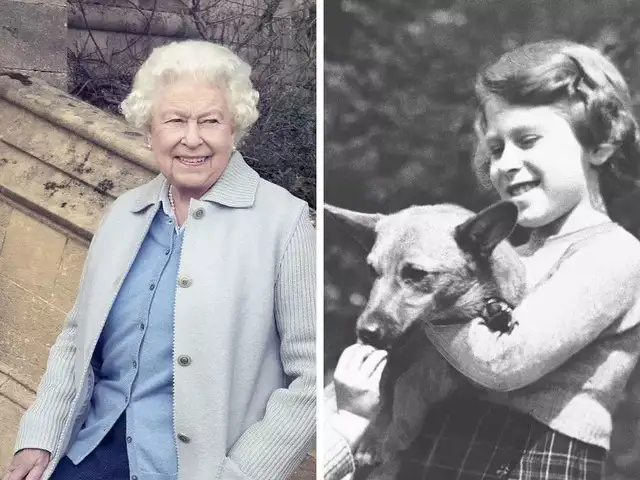
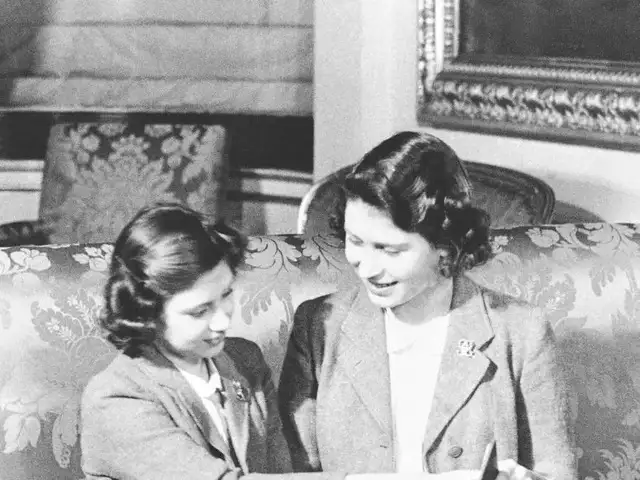
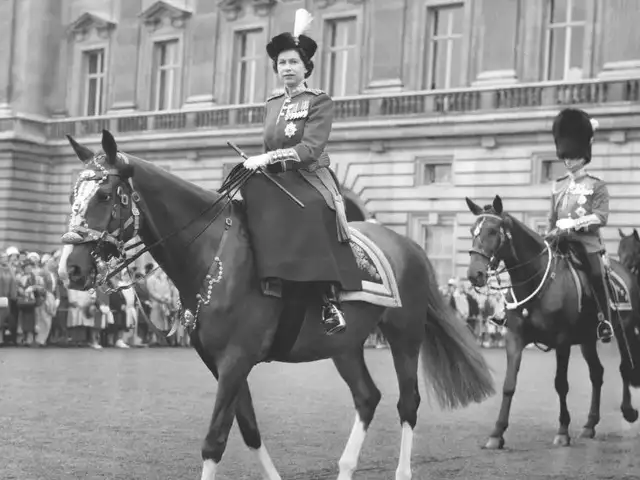
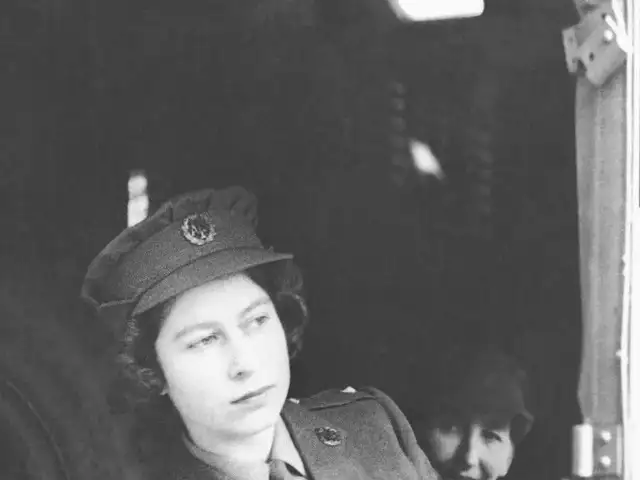
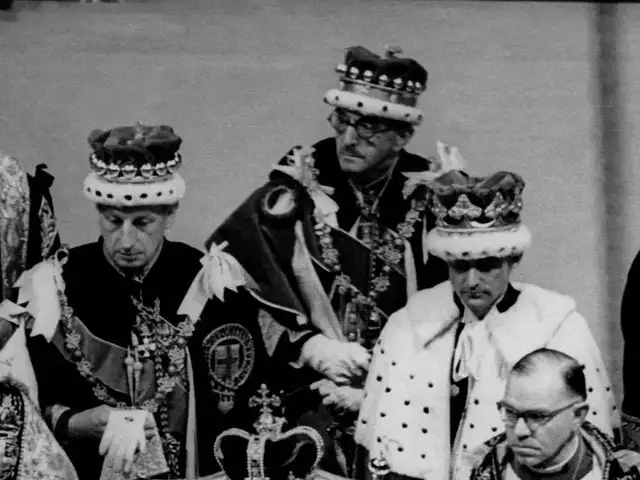
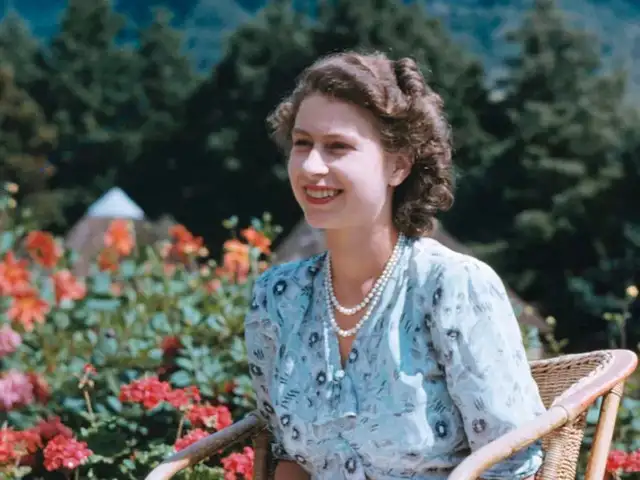
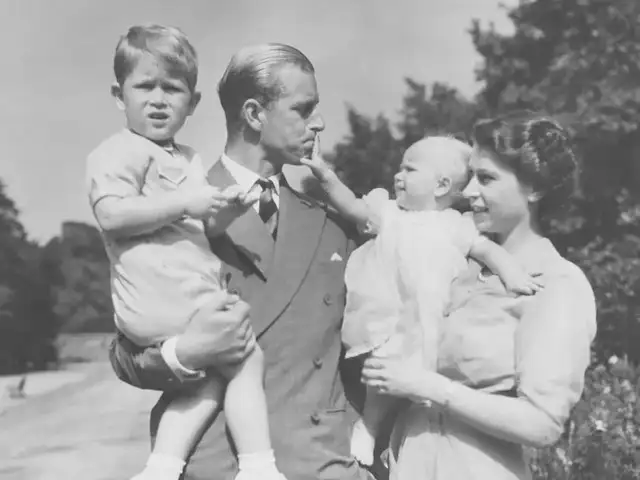
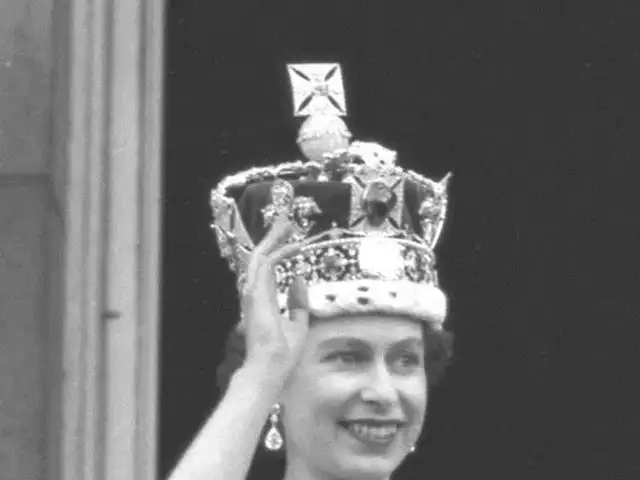
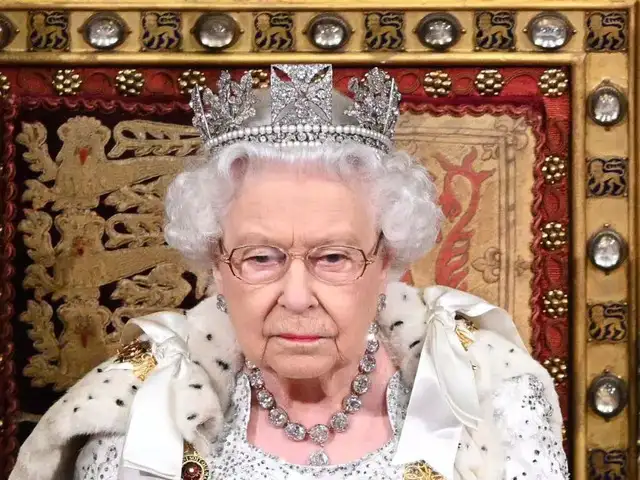
Here's a look at the life of Queen Elizabeth II who served more than seven decades on the throne.

Download
The Economic Times Business News App for the Latest News in Business, Sensex, Stock Market Updates & More.
The Economic Times Business News App for the Latest News in Business, Sensex, Stock Market Updates & More.
ADVERTISEMENT


