New book to celebrate 60th anniversary of 'Mughal-e-Azam' with behind-the-scenes stories
The book also has 25 exquisite paintings by artist MF Husain.
By PTI |

BCCL
NEW DELHI: A new book, published on the 60th anniversary of one of India's greatest movies "Mughal-e-Azam", captures the rare and most interesting stories from behind-the-scenes of the Dilip Kumar and Madhubala-starrer.
"Daastan-e-Mughal-e-Azam", written by Rajkumar Keswani, tells these tales of sweat and toil, mirth and tears, love affairs and ego wars, passion and fervour - everything that went into the making of the epic film, Manjul Publishing House said.
The film premiered on August 5, 1960 and went on to become one of the most celebrated classics in the annals of Hindi cinema. Director K Asif featured a glittering ensemble of top stars of the time, including the then heart-throbs Dilip Kumar and Madhubala, and the legendary Prithviraj Kapoor in the lead roles.
The book, in Hindi, captures Asif's steely resolve that saw him through the overwrought, and certainly overstretched, filming schedule among other interesting happenings, anecdotes and trivia.
The dramatic dialogue, unforgettable music, timeless songs, the grand scale all this was mounted on, and the cast and crew that worked on it, all have intriguing stories to tell, the publishers said.
The book also has a series of 25 exquisite paintings by master painter MF Husain. Based on a "Mughal-e-Azam" theme, these paintings are from the private collection of Asif's son Akbar Asif and have never been publicly exhibited before.
"Daastan-e-Mughal-e-Azam", written by Rajkumar Keswani, tells these tales of sweat and toil, mirth and tears, love affairs and ego wars, passion and fervour - everything that went into the making of the epic film, Manjul Publishing House said.
The film premiered on August 5, 1960 and went on to become one of the most celebrated classics in the annals of Hindi cinema. Director K Asif featured a glittering ensemble of top stars of the time, including the then heart-throbs Dilip Kumar and Madhubala, and the legendary Prithviraj Kapoor in the lead roles.
The book, in Hindi, captures Asif's steely resolve that saw him through the overwrought, and certainly overstretched, filming schedule among other interesting happenings, anecdotes and trivia.
The dramatic dialogue, unforgettable music, timeless songs, the grand scale all this was mounted on, and the cast and crew that worked on it, all have intriguing stories to tell, the publishers said.
The book also has a series of 25 exquisite paintings by master painter MF Husain. Based on a "Mughal-e-Azam" theme, these paintings are from the private collection of Asif's son Akbar Asif and have never been publicly exhibited before.
ADVERTISEMENT
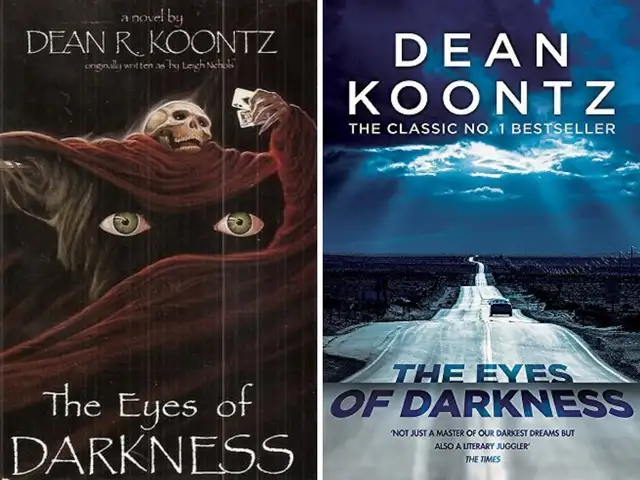
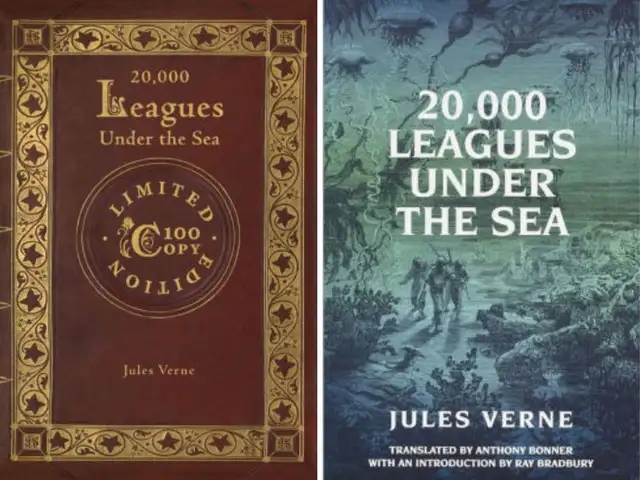
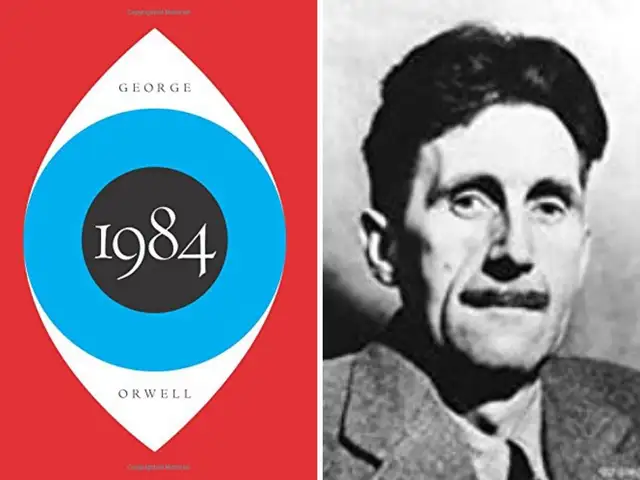
A look back at the different times when authors unleashed the Nostradamus in them and came up with something that was years ahead of its time.

Download
The Economic Times Business News App for the Latest News in Business, Sensex, Stock Market Updates & More.
The Economic Times Business News App for the Latest News in Business, Sensex, Stock Market Updates & More.
ADVERTISEMENT


