Navroz Mubarak! Modi, Tendulkar, Smriti Irani tweet Parsi New Year wishes
The tradition began some 3000 years ago, and is observed by the Parsi community around the world.

The tradition began some 3000 years ago, and is observed by the Parsi community around the world. The day is also known as Jamshed-i-Nouroz after the Persian King, Jamshed, who introduced the Parsi calendar.
It marks a new beginning and is celebrated with much fervour. People clean and decorate their homes, dress up in traditional attires, and visit fire temples to pray for prosperity and seek forgiveness for their sins.

Food forms a big part of the day, and the community comes together to celebrate over sumptuous dishes. Traditional Parsi delicacies like dhansak, meethi sev dahi, prawns, farcha, machchi no patio, berry pulao, lagan nu custard are prepared as part of the festivities.
In India, the occasion is a regional holiday in Maharashtra and Gujarat.
Parsi New Year greetings! Our nation is proud to be home to the dynamic Parsi community that has played a vital rol… https://t.co/E34EZOMXOb
— Narendra Modi (@narendramodi) 1566027889000Union Minister Smriti Zubin Irani took to Twitter to wish her followers on Parsi New Year.
Prayers for good health, success & happiness for all. Navroz Mubarak. https://t.co/W5UwPPeynI
— Smriti Z Irani (@smritiirani) 1566012754000Former Madhya Pradesh CM Shivraj Singh Chouhan also took to the microblogging site to wish everyone a beautiful new beginning in the new year.
#NavrozMubarak to all my Parsi brothers and sisters. मेरे प्रिय पारसी भाई, बहनों आपको ' नवरोज़ ' की हार्दिक बधाई!… https://t.co/4HPArj0B7B
— Shivraj Singh Chouhan (@ChouhanShivraj) 1566011760000Wishing fans 'Navroz Mubarak' Master Blaster Sachin Tendulkar said there's a lot to learn from the Parsi community who have contributed immensely to India.
Navroz Mubarak to everyone! Lots to learn from our Parsi friends who maybe small in size but through the simple pri… https://t.co/UnqQlQbWOv
— Sachin Tendulkar (@sachin_rt) 1566017079000On the auspicious day of #Navroz, may you be blessed with lots of happiness , love & success. #NavrozMubarak �� https://t.co/ckVgqI4HMl
— VVS Laxman (@VVSLaxman281) 1566016682000Bollywood stars including Amitabh Bachchan, Anil Kapoor, Ajay Devgn and actress-wife Kajol also wished fans and friends.
T 3260 - Happy Parsi New Year .. Navroz Mubarak ..����������☘️�������� https://t.co/FveWBRY5nw
— Amitabh Bachchan (@SrBachchan) 1566020688000Wishing all my beautiful Parsi friends a very Happy Navroz! Thank you for letting me partake in your culture. I fe… https://t.co/Fft0BCspxE
— Anil Kapoor (@AnilKapoor) 1566025278000Best wishes on Navroz to everyone. https://t.co/9GGBbV6bGD
— Ajay Devgn (@ajaydevgn) 1566016399000Happy Parsi New year! https://t.co/3Tz48Oi1fG
— Kajol (@KajolAtUN) 1566016333000Actor-turned-politician Urmila Matondkar also took to Twitter to wish Navroz Mubarak.
Navroz Mubarak ���� #ParsiNewYear #NavrozMubarak
— Urmila Matondkar (@UrmilaMatondkar) 1566023128000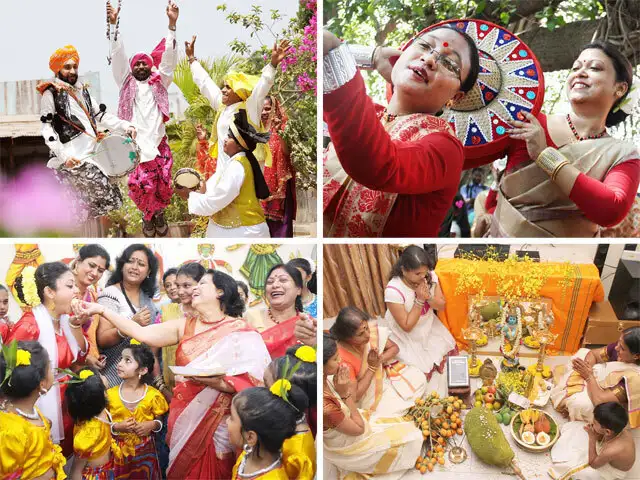
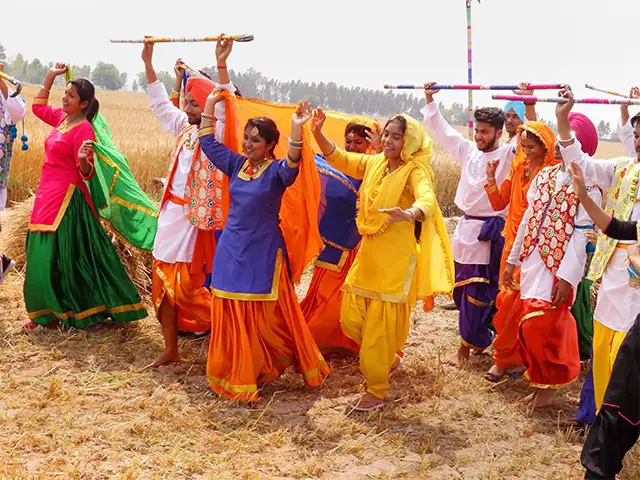
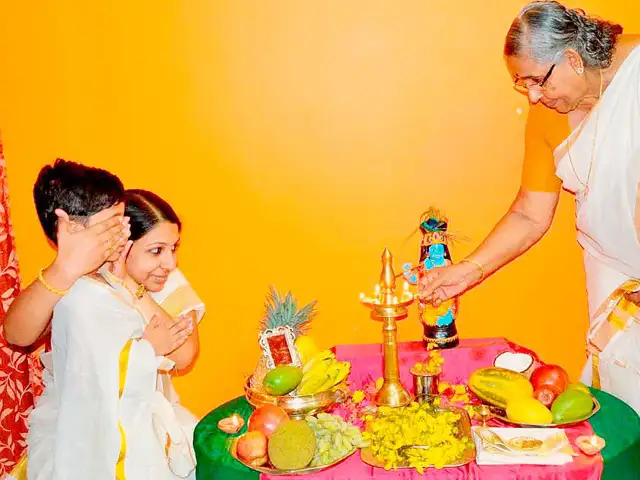
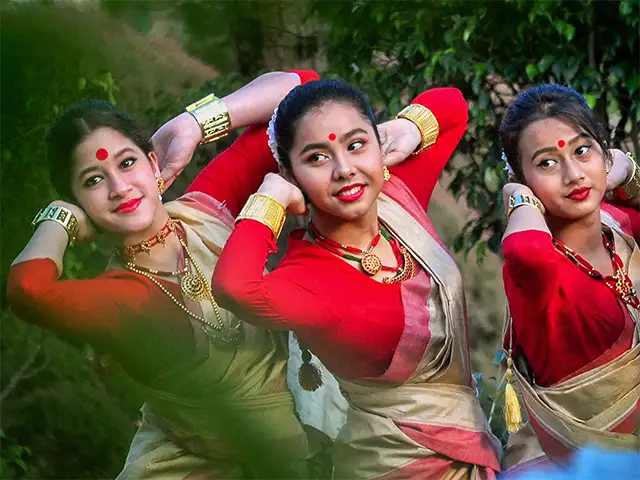
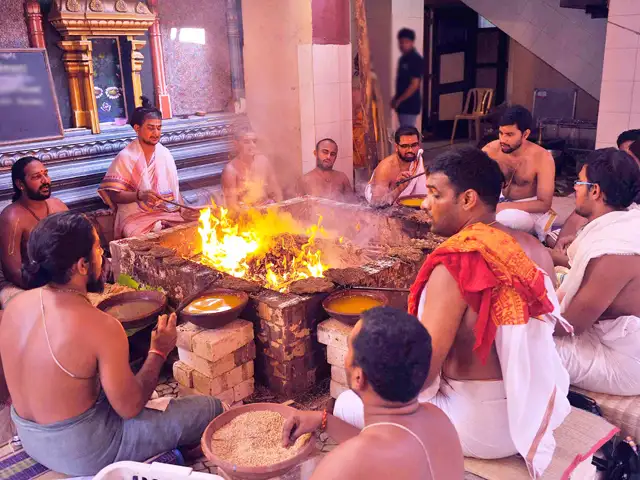
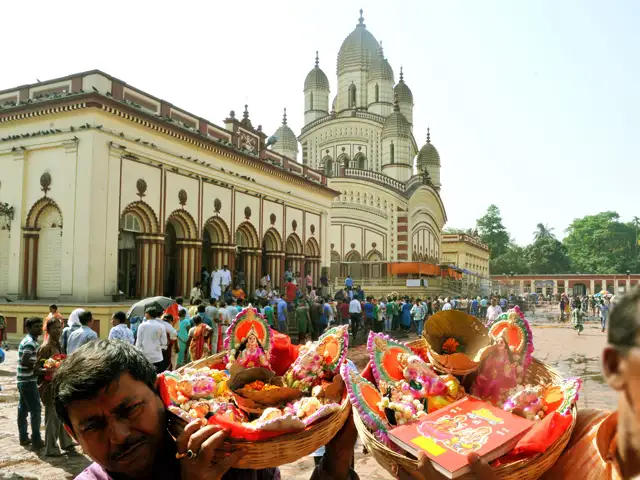
It's that time of the year again when people can catch a glimpse of India's diverse cultures. The Eastern, Northern & Southern parts of the country celebrate their first harvest festival of the year - Baisakhi, Bihu, Vishu, Poila Boishak & Puthandu - with vigour and fervour. Every year, the festivals fall on April 13 or April 14, based on the Hindu or Sikh Calendar.
Here's a look at how people celebrate their New Years...

The Economic Times Business News App for the Latest News in Business, Sensex, Stock Market Updates & More.


