Navaratri 2022 special: Ayan Mukerji announces Ranbir Kapoor-starrer 'Brahmastra' at Rs 100 for 4 days
The makers of 'Chup' and 'Dhokha' also decided to spread the festive cheer.
By ET Online | Updated:

Agencies
This news will drive away your Monday blues.
In an attempt to set the 'right ticket price', director Ayan Mukerji took to social media to announce that the makers of 'Brahmastra Part One: Shiva' have decided to offer a special ticket price for the film. The ticket pricing has been set at just Rs 100 for four days (September 26-29) to mark Navaratri.
In his Instagram post, the film-maker was thrilled to see the response from the audience on National Cinema Day on Friday (September 23), when the ticket prices were offered at a 'celebratory admission price' of Rs 75 at over 4000 screens across the country.
"Excited about this scheme! National Cinema Day may have taught us something about finding the right ticket price point to allow more audiences to enjoy the movie experience on the big screen! Something which we are incredibly passionate about," his post began.
In an attempt to learn and grow, the 39-year-old wanted to make the movie accessible to a larger audience for the four-festive days. "... we hope our audiences continue to enjoy 'Brahmastra' this week," he added.
If you still haven't managed to see the Ranbir Kapoor and Alia Bhatt-starrer, this is your chance to see the movie for Rs 100.
The big-budget fantasy adventure epic was released on September 9, and raised over Rs 360 crore globally at the box-office. The movie also stars Amitabh Bachchan, Mouni Roy and Nagarjuna Akkineni.
The movie is currently in theatres in 2D, 3D and IMAX 3D in Hindi, with Tamil, Telugu, Malayalam, and Kannada versions being presented by 'RRR' director SS Rajamouli.
Soon after Mukerji's announcement, the makers of 'Chup: Revenge of the Artist', and 'Dhokha: Round D Corner' also decided to spread joy and cheer.
Both movies hit the theatres on September 23.
So far, 'Chup' has collected more than Rs 5 crore at the box office (in India), while the two-day business of 'Dhokh' was at Rs 2.5 crore.
'Chup' is a romantic psychopath thriller. It is said that the film is a homage to master filmmaker Guru Dutt and his 1959 classic 'Kaagaz Ke Phool'. Directed by renowned film-maker R Balki, the film casts Dulquer Salmaan, Sunny Deol, Pooja Bhatt and Shreya Dhanwanthary in the lead roles.
Helmed by Kookie Gulati, 'Dhokha' is a multi-perspective pacy film based on an urban couple and promises to take the audience through the whirlwind journey during a day in the couple's life.'Dhoka' is produced by Bhushan Kumar, Krishan Kumar, Dharmendra Sharma and Vikrant Sharma.

In an attempt to set the 'right ticket price', director Ayan Mukerji took to social media to announce that the makers of 'Brahmastra Part One: Shiva' have decided to offer a special ticket price for the film. The ticket pricing has been set at just Rs 100 for four days (September 26-29) to mark Navaratri.
In his Instagram post, the film-maker was thrilled to see the response from the audience on National Cinema Day on Friday (September 23), when the ticket prices were offered at a 'celebratory admission price' of Rs 75 at over 4000 screens across the country.
"Excited about this scheme! National Cinema Day may have taught us something about finding the right ticket price point to allow more audiences to enjoy the movie experience on the big screen! Something which we are incredibly passionate about," his post began.
In an attempt to learn and grow, the 39-year-old wanted to make the movie accessible to a larger audience for the four-festive days. "... we hope our audiences continue to enjoy 'Brahmastra' this week," he added.
If you still haven't managed to see the Ranbir Kapoor and Alia Bhatt-starrer, this is your chance to see the movie for Rs 100.
ADVERTISEMENT
The big-budget fantasy adventure epic was released on September 9, and raised over Rs 360 crore globally at the box-office. The movie also stars Amitabh Bachchan, Mouni Roy and Nagarjuna Akkineni.
The movie is currently in theatres in 2D, 3D and IMAX 3D in Hindi, with Tamil, Telugu, Malayalam, and Kannada versions being presented by 'RRR' director SS Rajamouli.
Soon after Mukerji's announcement, the makers of 'Chup: Revenge of the Artist', and 'Dhokha: Round D Corner' also decided to spread joy and cheer.
Both movies hit the theatres on September 23.
ADVERTISEMENT
So far, 'Chup' has collected more than Rs 5 crore at the box office (in India), while the two-day business of 'Dhokh' was at Rs 2.5 crore.
'Chup' is a romantic psychopath thriller. It is said that the film is a homage to master filmmaker Guru Dutt and his 1959 classic 'Kaagaz Ke Phool'. Directed by renowned film-maker R Balki, the film casts Dulquer Salmaan, Sunny Deol, Pooja Bhatt and Shreya Dhanwanthary in the lead roles.
ADVERTISEMENT
Helmed by Kookie Gulati, 'Dhokha' is a multi-perspective pacy film based on an urban couple and promises to take the audience through the whirlwind journey during a day in the couple's life.'Dhoka' is produced by Bhushan Kumar, Krishan Kumar, Dharmendra Sharma and Vikrant Sharma.
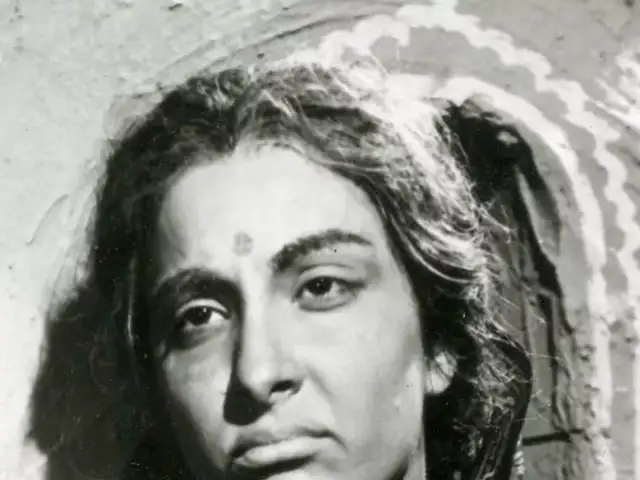
From the sepia-toned black and white era to the emergence of colour films and single showreel and animation, cinema in India has undergone transformation. Here's a look at Indian cinema over the years.








Download
The Economic Times Business News App for the Latest News in Business, Sensex, Stock Market Updates & More.
The Economic Times Business News App for the Latest News in Business, Sensex, Stock Market Updates & More.
ADVERTISEMENT


