National Cancer Awareness Day: 5 common cancers in India; symptoms & treatment
By ET Online | Updated:
iStock
India has one of the highest incidences of cancer. Most of the cancer -related deaths occur from late detection.
Highlights
India has one of the highest incidences of cancer.
Late detection is one of the highest reasons behind poor survival rates.
Lung, oral, cervical, breast, and stomach cancer are the 5 most common cancers in India.
Cancer.
One word is enough to shatter a carefully built self-esteem. For patients and their immediate families, being diagnosed with cancer is akin to hearing the footsteps of the grim reaper.
They can’t be blamed. Medical science has yet to achieve the breakthrough of discovering a drug that can cure cancer permanently. Although some types of cancers like Hodgkin’s lymphoma, prostate cancer, thyroid cancer, testicular cancer, etc have a greater probability of patients surviving more than five years after treatment, there are still no guarantees when it comes to cancer recovery.
According to a 2022 study ‘Call for Action: Making quality cancer care more accessible and affordable in India’ initiated by Ernst & Young (EY) and the Federation of Indian Chambers of Commerce & Industry (FICCI), India shares a high cancer burden. The reported cancer incidence in India is estimated to be about 19-20 lakh. This high incidence is coupled with a high rate (29 per cent) of late-stage detection and low penetration of cancer-screening programmes.
Deaths caused by cancer have risen in the past three decades. Cancer remains among the top five causes of death in India. Estimates indicate that the total number of deaths due to cancer has been ~8 to 9 lakh in 2020.
According to GLOBOCAN 2018 survey, the top five cancers that affect India are breast, lung, oral, cervical, and gastric. This National Cancer Awareness day, we look at some common forms of cancer.
ADVERTISEMENT
Lung Cancer
There are two types of lung cancer: small cell and non-small cell. Like most cancers, lung cancer occurs when cell growth and division are disrupted, leading to an unnatural proliferation of cells. Gradually the malignant or ‘cancerous’ cells spread to other parts of the body and interfere with the normal functioning of organs.
Chain Smokers Are More Likely To Be Diagnosed With Lung Cancer
Cigarette smoking remains one of the most common culprits when it comes to causing lung cancer. People over the age of 65 have higher risk of being diagnosed with one. The most common age of diagnosis is 70 years.
Symptoms:
A persistent cough.
Hoarseness of the voice.
Coughing up blood.
Weakness.
Chest pain.
Unexplained infections.
How is it diagnosed?
Patients may be told to undergo a chest X-ray or CT scan. Sometimes the doctor can suggest a biopsy or removal of cells or tissues from the affected part of the body. Seemingly healthy people may also be asked to undergo lung cancer screening so that lung cancer can be detected at an early stage. The earlier it is, the better it can be treated. Low-dose chest CT-based screening has been found to reduce the number of people who die from lung cancer.
ADVERTISEMENT
Treatment:
Lung cancer remains one of the more incurable diseases with extremely poor survival rates. Many people are diagnosed at an advanced stage, moreover, the lung is a vulnerable organ and may not survive some types of treatment. The overall two-year survival rate of those diagnosed with lung cancer is 25%. According to a report by the Cleveland Clinic, at five years, the survival rate drops to 15%. However, there are some treatments that can be used to slow down the growth of cancerous cells.
Chemotherapy:
This treatment involves using drugs to inhibit the growth of cancerous cells. Chemotherapy may be injected directly into a vein (by IV, or intravenously) or given through a catheter, which is a thin tube placed into a large vein.
ADVERTISEMENT
Radiotherapy:
Radiotherapy is a type of high-energy X-ray that kills cancer cells. It can be used along with chemotherapy to slow down the growth of cancerous cells and provide relief from pain.
Surgery:
Early-stage lung cancer can be cured via surgery. The tumour and the surrounding tissues are removed.
Oral Cancer
This is another very common type of cancer. It usually affects people who are over the age of 60.
What causes oral cancer?
Incessant smoking.
Alcohol addiction.
Spending an inordinate amount of time in the sun.
Have a family history of oral cancer.
Symptoms:
Development of white, red, or grey patches in the mouth or throat.
Develop mouth sores that don’t heal within a week.
Bleeding mouth.
Difficulty in chewing or swallowing.
Unexplained weight loss and bad breath.
Ear ache.
Treatment:
Doctors may conduct surgery to remove tumours in the mouth.
Patients may have to undergo partial or total removal of the tongue.
A neck dissection might be done to remove lymph nodes from the neck.
Aside from this chemo+radiation therapy and immunotherapy might be used to treat oral cancer.
Cervical cancer
This is cancer that occurs in the cells of the cervix.
Causes:
Most cervical cancers are caused by HPV, a sexually transmitted infection. HPV spreads from unprotected sexual intercourse.
Symptoms:
Bloody vaginal discharge.
Frequent and unexplained vaginal bleeding
Heavy menstrual periods.
Diarrhea.
Abdominal pain.
How is it diagnosed?
Regular gynecological screenings with a pap test can detect this cancer.
Treatment:
Laser surgery: Laser beam is used to burn cancer cells.
Cryosurgery is used to freeze off malignant cells.
As the name implies, breast cancer occurs when the cells in the breast multiply rapidly in an abnormal fashion. Breast cancer is one of the most common causes of death in women over the age of 50.
Symptoms:
Change in the shape and size of the breast.
A mass or lump near the area.
The skin on or near the breast appears inflamed.
The nipples leak blood
What causes breast cancer?
Several factors like smoking, alcohol abuse, obesity, and hormone replacement therapy can increase the risk of incurring breast cancer.
How is it diagnosed?
Mammogram test - This is a special X-ray test that can detect abnormal growth on your breast.
Ultrasonography - Use of sound waves to detect growth.
Positron emission tomography (PET) scanning and magnetic resonance imaging (MRI) -This test uses magnets and radio waves to produce clear, detailed images of the structures inside of of the breast.
Treatment
Partial or complete mastectomy. This surgery removes the cancerous portion of the breast. In advanced cases, both breasts are removed. Chemotherapy, radiation therapy, and immunotherapy may also be recommended.
Gastric Cancer
Also known as stomach cancer, this cancer remains the fifth most common cancer among males and the seventh most common cancer among females in India. The cancerous cells first occur in the inner lining of your stomach and then penetrate deeper.
What causes gastric cancer?
Rare genetic mutation.
Family history of stomach cancer.
GERD (Gastroesophageal reflux disease) and gastritis
Stomach ulcers and polyps can also turn cancerous.
Excessive indulgence in food high in salt and fat.
Obesity.
Alcohol abuse.
Symptoms:
Loss of appetite.
Trouble in swallowing.
Continuous vomiting
Unexplained weight loss.
Black or bloody stool.
Stomach pain.
Feeling full even if you haven’t eaten anything.
Treatments:
Surgery- In the early stages, if the cancer is limited to the outer linings of the stomach it can be removed via surgery or upper endoscopy.
Gastrectomy - once cancer has permeated into the deeper parts of your stomach, parts of your stomach needed to be removed.
Aside from surgery, your healthcare provider may also recommend chemotherapy and radiotherapy.
National Cancer Awareness Day 2022: Prevention, Treatment & Diet
1/12
The National Cancer Awareness Day came to be observed in India on November 7 after Union Health Minister Dr Harsh Vardhan announced it in 2014. This day is observed to spread awareness regarding the early detection and cure of cancer. On this day, all the government and municipal hospitals offer free cancer screening for everyone.
The National Cancer Awareness Day came to be observed in India on November 7 after Union Health Minister Dr Harsh Vardhan announced it in 2014. This day is observed to spread awareness regarding the ..
Read More
The National Cancer Awareness Day came to be observed in India on November 7 after Union Health Minister Dr Harsh Vardhan announced it in 2014. This day is observed to spread awareness regarding the early detection and cure of cancer. On this day, all the government and municipal hospitals offer free cancer screening for everyone.
The National Cancer Awareness Day came to be observed in India on November 7 after Union Health Minister Dr Harsh Vardhan announced it in 2014. This day is observed to spread awareness regarding the ..
Read More
November 7 also marks the birth anniversary of the Nobel prize winner and scientist Madame Curie, who is known for her contribution to the fight against cancer. Madame Curie helped develop nuclear energy and radiotherapy, which is commonly used in treating cancer today.
November 7 also marks the birth anniversary of the Nobel prize winner and scientist Madame Curie, who is known for her contribution to the fight against cancer. Madame Curie helped develop nuclear en..
Read More
The World Health Organisation (WHO) defines cancer as a large group of diseases that can start in almost any organ and tissue of the body when abnormal cells grow uncontrollably and invade adjoining parts of the body or spread to other organs. Some of the most common types of cancer are lung, prostate, breast, cervical, stomach, liver and thyroid.
The World Health Organisation (WHO) defines cancer as a large group of diseases that can start in almost any organ and tissue of the body when abnormal cells grow uncontrollably and invade adjoining ..
Read More
In a normal scenario, cells in the human body grow and multiply via a process called ‘cell division’. When this process takes place, old or damaged cells die and create space for new cells. However, at times this process gets disrupted and cells do not grow and multiply as they should. This results in the formation of tumours, which can be cancerous in nature.
In a normal scenario, cells in the human body grow and multiply via a process called ‘cell division’. When this process takes place, old or damaged cells die and create space for new cells. However, ..
Read More
As per the report released by WHO, cancer is the second leading cause of death globally. Indian Council Of Medical Research (ICMR) has said that by 2025, the number of cancer patients will rise to 29.8 million.
As per the report released by WHO, cancer is the second leading cause of death globally. Indian Council Of Medical Research (ICMR) has said that by 2025, the number of cancer patients will rise to 29..
Read More
There are many different types of treatments for cancer. According to the National Cancer Institute, the treatment for cancer depends on the type of cancer a patient is diagnosed with. Some of the most common types of cancer therapies are chemotherapy, hyperthermia, radiation, immunotherapy, photodynamics, etc.
There are many different types of treatments for cancer. According to the National Cancer Institute, the treatment for cancer depends on the type of cancer a patient is diagnosed with. Some of the mo..
Read More
Doctors believe that one can reduce the risk of cancer by living a healthy lifestyle. Some of the healthy habits that can help prevent cancer are maintaining a healthy weight, avoiding alcohol and tobacco, eating a balanced diet, etc.
Doctors believe that one can reduce the risk of cancer by living a healthy lifestyle. Some of the healthy habits that can help prevent cancer are maintaining a healthy weight, avoiding alcohol and to..
Read More
Though food alone is not enough to prevent the risk of cancer, eating a diet that contains vegetables, fruits, proteins, legumes, etc, can definitely help you lower the risk of getting cancer. Swipe left to see some of the food items that can protect you from this life-threatening disease.
Though food alone is not enough to prevent the risk of cancer, eating a diet that contains vegetables, fruits, proteins, legumes, etc, can definitely help you lower the risk of getting cancer. Swipe ..
Read More
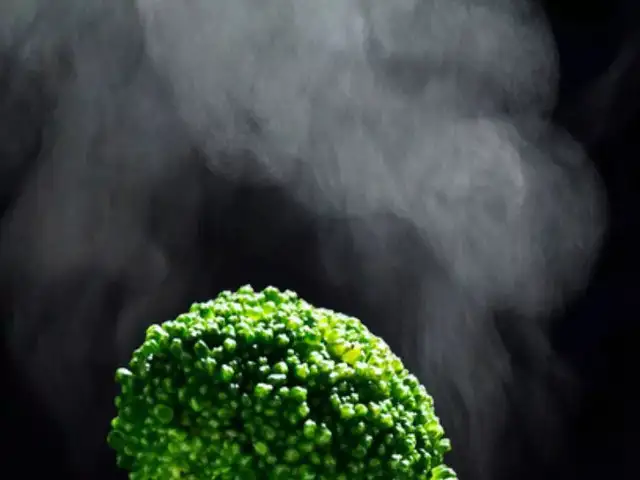
Broccoli contains high amounts of sulforaphane, which is known to kill or reduce the tumour. Including broccoli in your daily diet will protect you from the risk of developing colorectal cancer (colon or rectum, located at the digestive tract's lower end).
Broccoli contains high amounts of sulforaphane, which is known to kill or reduce the tumour. Including broccoli in your daily diet will protect you from the risk of developing colorectal cancer (colo..