According to tax records accessed by the International Consortium of Investigative Journalists, as many as a fourth of all companies named in the leaked documents had India as their country of activity.
Representatives of western companies, accustomed to sailing around the Cape of Good Hope, have few reasons to be hopeful. For decades, multinational corporations have flocked to Mauritius in droves, seeking to exploit the island nation’s lax corporate tax regime. Local subsidiaries incorporated in Mauritius are eligible for tax exemptions in countries with high corporate tax on account of double tax avoidance agreements (DTAA) with the Mauritian government. But with other countries wising up to the loopholes in such treaties, the protracted tax holiday enjoyed by large corporations could soon come to an end.
Investments in India via companies registered in Mauritius have shrunk since the government renegotiated the terms of the bilateral double tax avoidance treaty in 2016. However, the tax haven continues to be a hub for capital flows fueled by companies which operate in India. According to tax records accessed by the International Consortium of Investigative Journalists (ICIJ), as many as a fourth of all companies named in the leaked documents had India as their country of activity.
The tranche of documents, collectively called the Mauritius Leaks, have one underlying theme: Large corporations bypassing tax on profits accrued in poor countries by leveraging legal loopholes. The ICIJ estimates that such stratagems cost developing countries around USD 100 billion every year. However, initiatives proposed at the recently concluded G20 Summit in Japan could stem the outflow of capital from countries where they were realized.
Mauritius's protracted tax holiday enjoyed by large corporations could soon come to an end. The finance ministers of the world’s leading economies have been at work to thrash out a global tax system since 2013. Subsequently, in 2015, at a meeting of the Organization for Economic Cooperation and Development (OECD), it was agreed that multinationals will be required to disclose their earnings in each country to avoid tax evasion through subsidiaries registered in low-tax dominions. But more radical reforms were stonewalled by the OECD, the preserve of the world’s richest nations.
But the proposals made at the G20 Summit by India’s Finance Minister Nirmala Sitharaman could alter the stasis between large corporations and tax havens. Developing countries have rallied behind India’s efforts at the forum to formulate legislation that requires companies to pay taxes in places where they generate profits, and not where they are domiciled. To circumvent resistance from the OECD, India has made overtures to individual countries to amend skewed double taxation avoidance agreements.
Other developing countries could follow suit, threatening the straitjacket system for taxing companies with a global presence. The impact of such a move could impact the bottom lines of companies that currently shift profits to tax havens. Moreover, tax disputes could increase if every country framed its own rules for taxing multinationals. For developing countries, the flip side to taking unilateral measures would be to forfeit the inflow of foreign investment. Tax disputes would increase, and consequently, the ease of doing business, suffer.
ADVERTISEMENT
However, India isn’t the only country framing unilateral measures to tackle profit shifting. France and the United Kingdom also have their own tax laws pertaining to revenue generated by foreign companies in their domestic markets. India has argued that the universal tax legislation framed by the OECD is biased towards the interests of members– mostly rich countries where these multinationals are headquartered.
If developing countries were to frame their own tax rules, the OECD would stand to lose its status as the arbiter of global trade norms. The grouping seems to have heeded India’s exhortations. The proposals made by 90 non-member countries, including New Delhi’s, will be considered when the OECD frames its “road map” for tax reform by the end of 2020.
Sun, Sand & Saving: These Islands Are Not Just Tax Havens
1/6
Tax havens have a tendency to offer a little more than just schemes to save money — balmy waters, sun-kissed beaches and a fancy address.
Apart from stowing away cash, here’s what these islands are famous for.
Tax havens have a tendency to offer a little more than just schemes to save money — balmy waters, sun-kissed beaches and a fancy address.
Apart from stowing away cash, here’s what these islands are ..
Read More
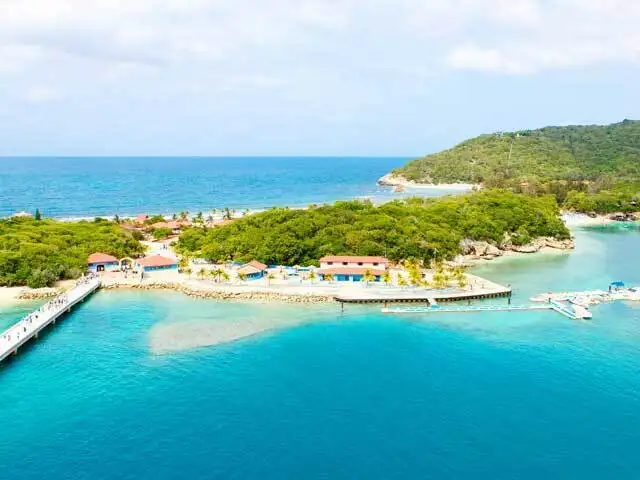
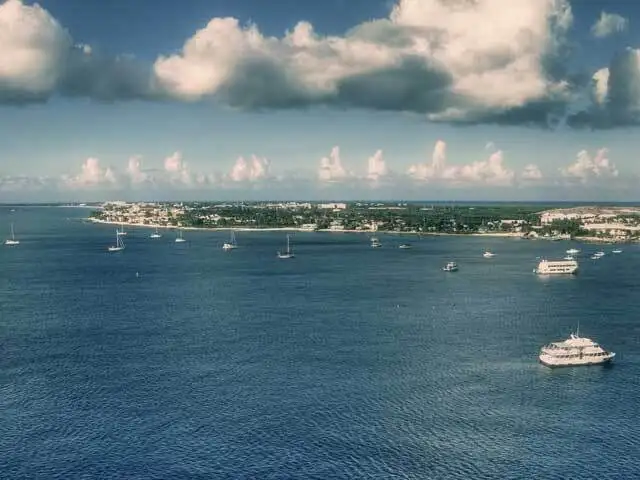
This Caribbean island is the most notorious tax haven on earth, home to nearly 100,000 companies.
However, one can easily forget all that when there are glorious beaches to sun bathe on and stingrays to swim with in the crystal blue waters of this beautiful isle.
Docked offshore: Among the most explosive claims in the Paradise Papers is that of Queen Elizabeth’s private estate investing about £10 million in offshore arrangements. The Duchy of Lancaster reportedly held funds in the Cayman Islands and Bermuda between 2004 and 2005.
Fun Fact: Despite its tiny size, the Cayman Islands has four airports – all probably set up to welcome swish globetrotters in their private jets.
This Caribbean island is the most notorious tax haven on earth, home to nearly 100,000 companies.
However, one can easily forget all that when there are glorious beaches to sun bathe on and stingray..
Read More
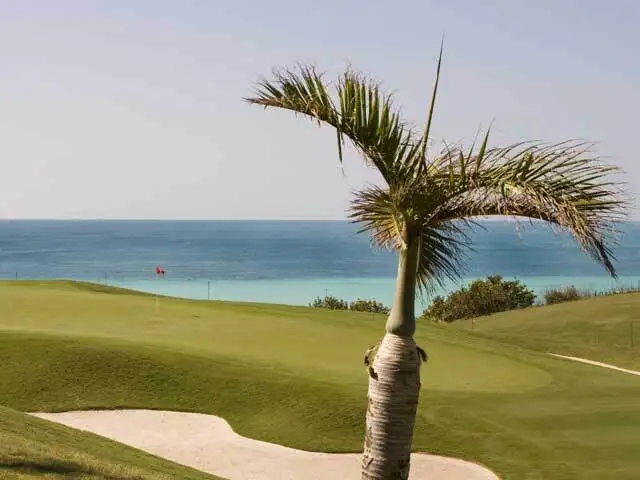
Bathed in the turquoise waters of the Sargasso Sea, Bermuda is so much more than what a Beach Boys song gives it credit for. Its pink sand beaches and clear, cerulean blue ocean waters are what serenity on canvas looks like, not to mention killer diving sites.
Docked offshore: Appleby, the Bermudan law firm at the center of the Paradise Papers, shows actor Amitabh Bachchan as a shareholder of a digital media company set up in Bermuda in 2002.
Fun Fact: Bermuda has more golf courses per person than any other country. Might just explain why billionaires, with extra cash to choose this delightful island.
Bathed in the turquoise waters of the Sargasso Sea, Bermuda is so much more than what a Beach Boys song gives it credit for. Its pink sand beaches and clear, cerulean blue ocean waters are what seren..
Read More
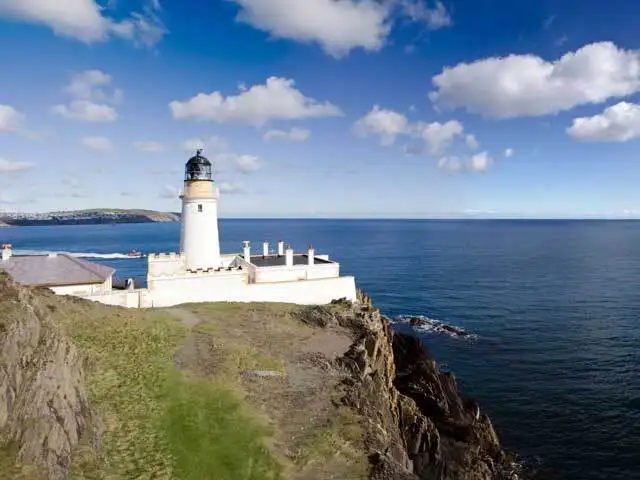
From rugged coastal cliffs and rolling moorland to sandy beaches, there is nothing odd about this ‘oddest isle’ in the Irish sea. This 33-mile long island is a place of choice for billionaires and businesses that want to skip taxes on luxury items.
Docked offshore: Formula One world champion Lewis Hamilton avoided paying European taxes on his private jet using the infamous ‘Isle of Man scheme’. Accountancy firms EY and Appleby helped Hamilton and dozens of other clients set up seemingly artificial leasing businesses through which they rented their own jets from themselves.
Fun Fact: Isle of Man is home to the World Tin Bathtub Championship where competitors have to propel decorated bathtubs using a hand paddle.
From rugged coastal cliffs and rolling moorland to sandy beaches, there is nothing odd about this ‘oddest isle’ in the Irish sea. This 33-mile long island is a place of choice for billionaires and bu..
Read More
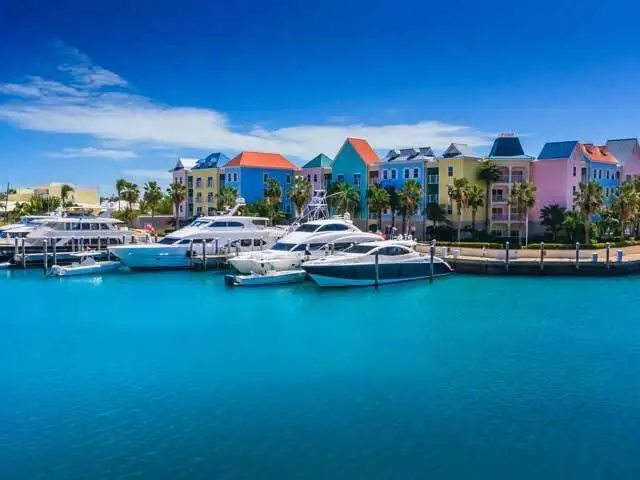
The roughly 700 islands that make up The Bahamas lure millions of visitors to their white-washed shores, fringed by spectacular coral and fathomless ocean trenches. Let’s not forget their duty-free shops, casinos, luxurious accommodations and summer in a glass — the Bahama Mama.
Docked offshore: Maanayata Dutt, wife of actor Sanjay Dutt, features in the Paradise Papers as the managing director, director, president and treasurer of an alleged shell company — Nasjay Company Limited — set up in Bahamas in April 2010.
Fun Fact: The Bahamas is one of only two countries whose official name begins with the word “the”, after The Gambia, a West African nation.
The roughly 700 islands that make up The Bahamas lure millions of visitors to their white-washed shores, fringed by spectacular coral and fathomless ocean trenches. Let’s not forget their duty-free s..
Read More
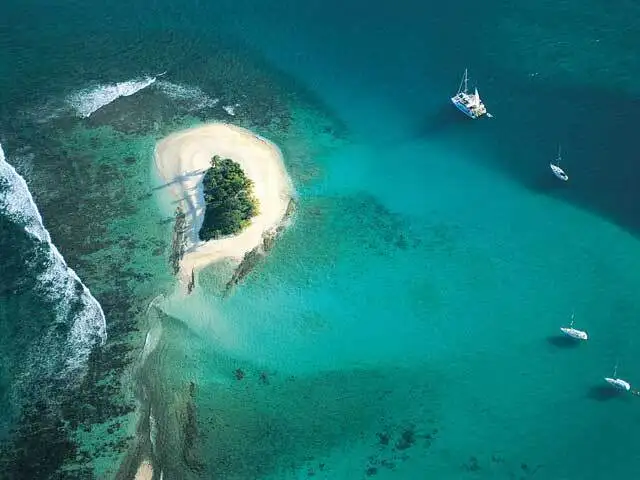
Sailing, diving, fishing and soaking up the sun on coves and white-sand beaches is what it’s all about on the 60 idyllic British Virgin Islands (BVI) albeit not for those with light wallets. The serenity of the island percolates to its government too, which normally has no idea who actually owns the many tax-free companies on their sandy shores.
Docked offshore: Sarah Ferguson, the Duchess of York’s chaotic offshore finances in the British Virgin Islands put her in a tight spot. Since her divorce from Prince Andrew, the Duchess has made up to £2m a year from a variety of roles.
Fun Fact: Salt Island, one of the 60 that make up BVI, has not had more than three inhabitants since 1980. Their ‘rent,’ is a bag of salt sent to the Queen every year.
Sailing, diving, fishing and soaking up the sun on coves and white-sand beaches is what it’s all about on the 60 idyllic British Virgin Islands (BVI) albeit not for those with light wallets. The sere..
Business News › Magazines › Panache › Mauritius leaks: Big firms leveraging legal loopholes to save taxes can cost developing countries $100 bn every yearText Size:AAA