Manu Jain says niche market exists for stock Android experience; reveals why Xiaomi launched fewer models this year
The top boss said that Mi A3 is the only phone with 48MP rear, 32MP selfie camera.
By Hitesh Raj Bhagat, ET Bureau |

BCCL
Xiaomi is readying its arsenal for the year. Amidst an impending slowdown, smartphones don’t seem to be affected. The company plans to maintain the lead that they have created (for eight consecutive quarters now, according to research firm IDC) with offerings like the Mi A3 – a phone that runs a stock version of Android, unlike their heavily customised MiUI.
ET’s Hitesh Raj Bhagat had a discussion with Manu Jain, MD of Xiaomi India on the sidelines of the launch.
Hitesh Raj Bhagat: MIUI is an important part of the overall strategy for Xiaomi. Where does a stock Android phone fit in?
Manu Jain: So, MIUI is definitely one of the key pillars of our overall business strategy. We always say that there are three or four big pillars: OS, hardware, retail and IoT. And we are committed to all of them. Now, specifically in India, we see some users who just love the native Android experience. Personally, if you ask me, I think MIUI has a lot more features and I believe it is a lot more user friendly as compared to most of the other Android versions or even stock Android. But we have to respect that there is a certain audience which just loves stock Android. Two years ago, when we decided to launch Android One, it was under the belief that many of these users want an Android One experience but on a Xiaomi device. And that's when we thought we should have something in our portfolio which caters to such kind of users. This user base is actually not that massive. Funny thing is, on social media it seems a lot bigger than it actually is.
Hitesh Raj Bhagat: Is it safe to assume that when you're talking about a MIUI phone, the ads in the operating system subsidies the cost of the device? And by extension, the Mi A series are not subsidised?
Manu Jain: Yes and no. Let me explain. MIUI allows us to build a few features that no other Android phone has and we can monetise some of those apps. MIUI also allows us to provide internet services like payment, music and video. With Android One, our ability to monetise is lower but there's also a business arrangement between us and Google. So even here we are able to monetise but in a very different way – through a partner and not directly with the consumer.
We've always made a clear distinction between our hardware and software business. While we are an internet company, a tech company, we also make hardware. We will not keep more than a 5% profit margin on hardware business. But on software our profit margins will be much higher and we have been very open about it.
Hitesh Raj Bhagat: There was a delay in the launch of Mi A3 in India compared to other markets. Normally products launch in India first if not at the same time. In case of the A3, there was a gap of a month which means the mystique around a new device is eroded. Your thoughts?
Hitesh Raj Bhagat: Your new phone Mi A3 is launching in a hyper-competitive price bracket. Why launch new products in this particular segment?
Manu Jain: I believe there's a small, separate market for the stock Android experience. But even if you leave that aside, there are so many industry firsts with this phone. This is the only phone that I know of which has a combination of 48 megapixel back camera and a 32 megapixel front camera. In this price range, it is probably the best camera phone in the market right now. Then there are these amazing three colours with unique names: more than white, not just blue, kind of grey. It also feels very different. The helix pattern on the blue is my personal favourite. We also fixed things that people were not that happy about with the Mi A2 (adding a hybrid SIM slot, headphone jack and including a bigger battery).
Competition has always been there but we believe the A3 is very distinctive and has clear advantages that consumers would want to have at this particular price.
Hitesh Raj Bhagat: Android One was initially designed for emerging markets and entry-level smartphones. We’re now seeing these phones becoming more premium with higher performance, more RAM, more storage and glass – metal construction. So why not use your own stock (or close to stock) Android interface like Poco Launcher?
Now, we are very happy with how the Mi A series has performed. We are very happy with where we are, which is MIUI on most devices, Poco Launcher on some premium devices and the Mi A series with stock Android.
Hitesh Raj Bhagat: Do you think there would be any advantage in offering the same device at different price points? Maybe one could be subsidised with additional services.
Manu Jain: In 2018, it was a slightly different year for us. It was a year when, of course, we did phenomenally well, the largest brand and number one across all four quarters. But 2018 was also when we tried launching too many products and too many variants. We launched about 8 to 10 phones and three variants of each. At that point of time, many people (including fans and media colleagues) gave us feedback like “you're just trying too hard” or “you're just launching too many”. In 2019, there's been a very conscious effort in reducing the number of products and variants.
Despite increasing competition, we are still the largest brand. This is a dynamic industry – if you ‘re the largest now does not mean you will remain so. We believe in simplicity and having a clean supply chain. With multiple variants, it means we need different assembly lines, logistics become complicated and ordering has to be different.
Another issue is making people confused. Many may not be very clear on what variants is beneficial and what is not. Our idea now is to launch with one key proposition and do a good job of communicating that rather than trying to do too many things and doing an average job.
Hitesh Raj Bhagat: In a recent interview with a colleague at ET, you had talked about increasing localisation on devices, specifically in the factories. What does the scorecard look like for this latest product? Not just assembly, but localisation as well.
Manu Jain: This has been increasing every month and every quarter. I don't have the exact latest number but the last disclosed number was around 65%. Whenever we hit the next big milestone, we will release it. There are multiple products that we localising. Things like the PCB (printed circuit board) which is already locally manufactured, battery banks, camera modules and touchscreens. At this point, we can say that about 65% by value of the phones is made locally (out of which 50% of the value is just the PCB).
Hitesh Raj Bhagat: Does this apply to all the phones you make in India?
Manu Jain: No this is an average. For example AMOLED displays are not made here but LCDs are. Glass back phones are a little bit more difficult but plastic is a easier. The percentage of localisation depends on the product.
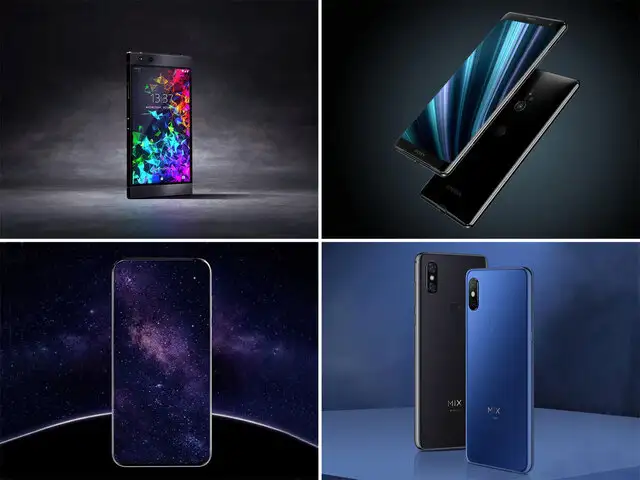
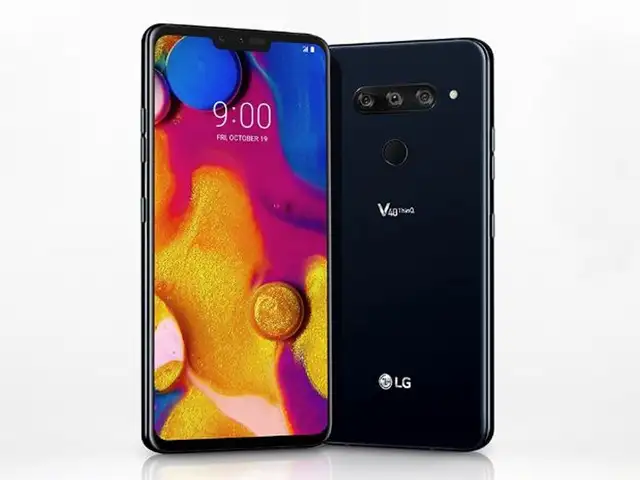
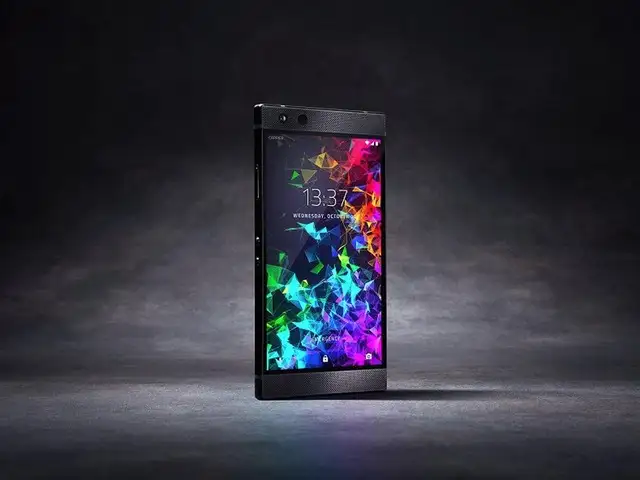
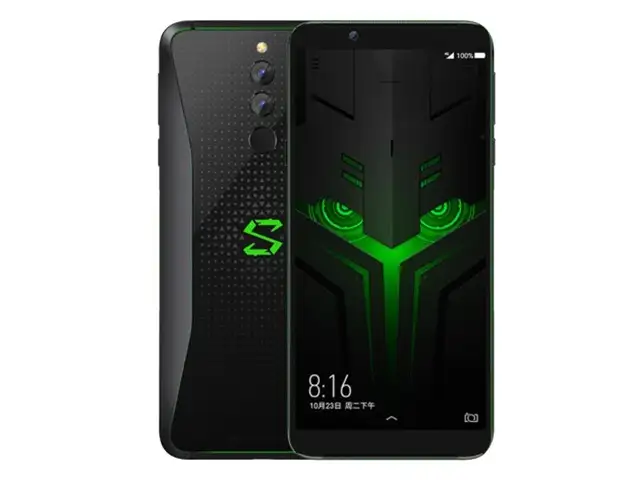
Big tech players like Honor, Xiaomi, LG & Sony, among others, have launched a series of smartphone this year, but some game-changing devices never made it to the Indian market.
Here are all the splendid smartphones that may or may not release in India next year.
ET’s Hitesh Raj Bhagat had a discussion with Manu Jain, MD of Xiaomi India on the sidelines of the launch.
Hitesh Raj Bhagat: MIUI is an important part of the overall strategy for Xiaomi. Where does a stock Android phone fit in?
Manu Jain: So, MIUI is definitely one of the key pillars of our overall business strategy. We always say that there are three or four big pillars: OS, hardware, retail and IoT. And we are committed to all of them. Now, specifically in India, we see some users who just love the native Android experience. Personally, if you ask me, I think MIUI has a lot more features and I believe it is a lot more user friendly as compared to most of the other Android versions or even stock Android. But we have to respect that there is a certain audience which just loves stock Android. Two years ago, when we decided to launch Android One, it was under the belief that many of these users want an Android One experience but on a Xiaomi device. And that's when we thought we should have something in our portfolio which caters to such kind of users. This user base is actually not that massive. Funny thing is, on social media it seems a lot bigger than it actually is.
Hitesh Raj Bhagat: Is it safe to assume that when you're talking about a MIUI phone, the ads in the operating system subsidies the cost of the device? And by extension, the Mi A series are not subsidised?
Manu Jain: Yes and no. Let me explain. MIUI allows us to build a few features that no other Android phone has and we can monetise some of those apps. MIUI also allows us to provide internet services like payment, music and video. With Android One, our ability to monetise is lower but there's also a business arrangement between us and Google. So even here we are able to monetise but in a very different way – through a partner and not directly with the consumer.
We've always made a clear distinction between our hardware and software business. While we are an internet company, a tech company, we also make hardware. We will not keep more than a 5% profit margin on hardware business. But on software our profit margins will be much higher and we have been very open about it.
Hitesh Raj Bhagat: There was a delay in the launch of Mi A3 in India compared to other markets. Normally products launch in India first if not at the same time. In case of the A3, there was a gap of a month which means the mystique around a new device is eroded. Your thoughts?
ADVERTISEMENT
Manu Jain: We wanted to launch it sooner. Ideally, the aim is to launch new products within weeks, if not simultaneously. It does not happen every time. This is a function of three things: which other products we're currently launching in India, what’s the bandwidth of the team and any other local events in the particular geography or country. In July, we launched Redmi 7A, K20 and K20 Pro. There were also some big festive sales around Independence Day. Given all these things, this was the only possible slot. Hitesh Raj Bhagat: Your new phone Mi A3 is launching in a hyper-competitive price bracket. Why launch new products in this particular segment?
Manu Jain: I believe there's a small, separate market for the stock Android experience. But even if you leave that aside, there are so many industry firsts with this phone. This is the only phone that I know of which has a combination of 48 megapixel back camera and a 32 megapixel front camera. In this price range, it is probably the best camera phone in the market right now. Then there are these amazing three colours with unique names: more than white, not just blue, kind of grey. It also feels very different. The helix pattern on the blue is my personal favourite. We also fixed things that people were not that happy about with the Mi A2 (adding a hybrid SIM slot, headphone jack and including a bigger battery).
Competition has always been there but we believe the A3 is very distinctive and has clear advantages that consumers would want to have at this particular price.
Hitesh Raj Bhagat: Android One was initially designed for emerging markets and entry-level smartphones. We’re now seeing these phones becoming more premium with higher performance, more RAM, more storage and glass – metal construction. So why not use your own stock (or close to stock) Android interface like Poco Launcher?
ADVERTISEMENT
Manu Jain: The initial Android One phase in 2014/15 was indeed meant for the entry level segment. The aim was to bring the next few hundred million people online using a smartphone with an Android One experience. My understanding is that there were some challenges with that particular program. In 2017, Google and Xiaomi decided to, in a way, reboot this entire program. The Mi A1 was probably the first phone in a mid-premium device around the Rs 15,000 segment to be launched with Android One. Now, we are very happy with how the Mi A series has performed. We are very happy with where we are, which is MIUI on most devices, Poco Launcher on some premium devices and the Mi A series with stock Android.
ADVERTISEMENT
Hitesh Raj Bhagat: Do you think there would be any advantage in offering the same device at different price points? Maybe one could be subsidised with additional services.
Manu Jain: In 2018, it was a slightly different year for us. It was a year when, of course, we did phenomenally well, the largest brand and number one across all four quarters. But 2018 was also when we tried launching too many products and too many variants. We launched about 8 to 10 phones and three variants of each. At that point of time, many people (including fans and media colleagues) gave us feedback like “you're just trying too hard” or “you're just launching too many”. In 2019, there's been a very conscious effort in reducing the number of products and variants.
Despite increasing competition, we are still the largest brand. This is a dynamic industry – if you ‘re the largest now does not mean you will remain so. We believe in simplicity and having a clean supply chain. With multiple variants, it means we need different assembly lines, logistics become complicated and ordering has to be different.
Another issue is making people confused. Many may not be very clear on what variants is beneficial and what is not. Our idea now is to launch with one key proposition and do a good job of communicating that rather than trying to do too many things and doing an average job.
Hitesh Raj Bhagat: In a recent interview with a colleague at ET, you had talked about increasing localisation on devices, specifically in the factories. What does the scorecard look like for this latest product? Not just assembly, but localisation as well.
Manu Jain: This has been increasing every month and every quarter. I don't have the exact latest number but the last disclosed number was around 65%. Whenever we hit the next big milestone, we will release it. There are multiple products that we localising. Things like the PCB (printed circuit board) which is already locally manufactured, battery banks, camera modules and touchscreens. At this point, we can say that about 65% by value of the phones is made locally (out of which 50% of the value is just the PCB).
Hitesh Raj Bhagat: Does this apply to all the phones you make in India?
Manu Jain: No this is an average. For example AMOLED displays are not made here but LCDs are. Glass back phones are a little bit more difficult but plastic is a easier. The percentage of localisation depends on the product.
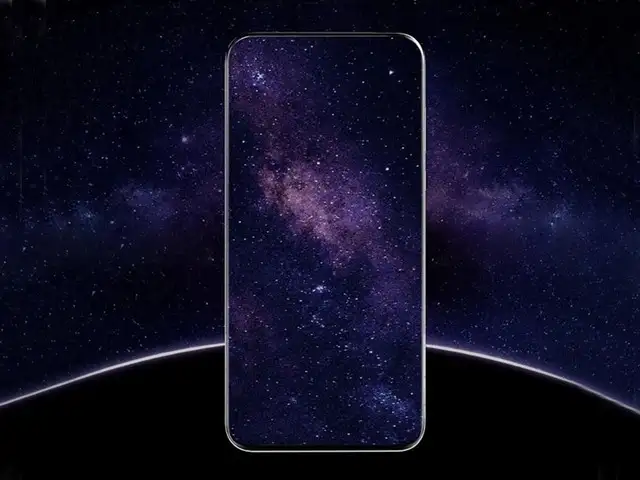
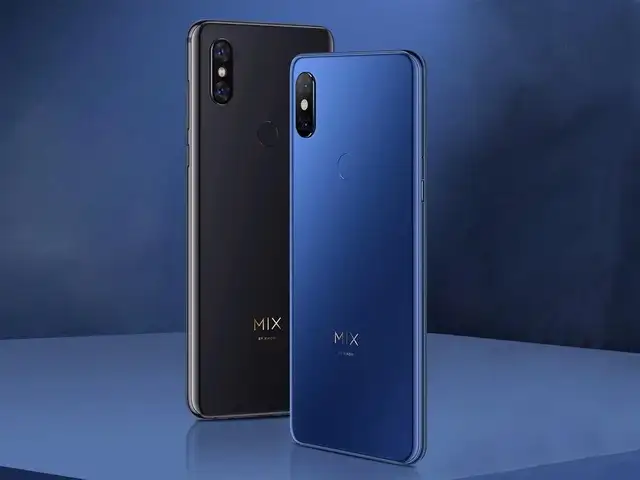
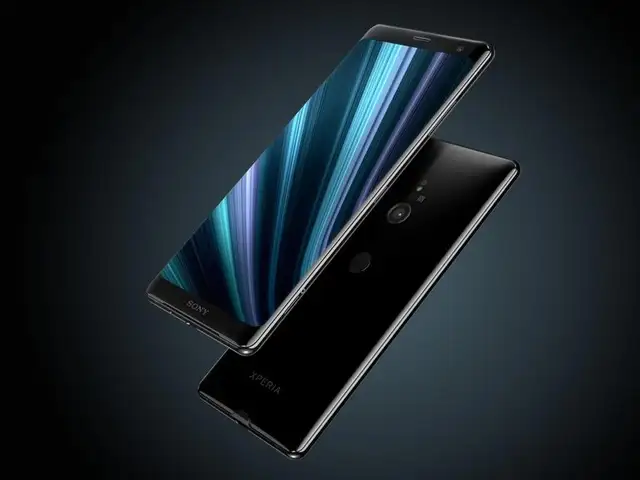
Here are all the splendid smartphones that may or may not release in India next year.

Download
The Economic Times Business News App for the Latest News in Business, Sensex, Stock Market Updates & More.
The Economic Times Business News App for the Latest News in Business, Sensex, Stock Market Updates & More.
ADVERTISEMENT


