Making best use of the nation-wide lockdown: Does it take 21 days to break a habit?
Now all those in India have a chance to prove the validity of that axiom.
By ET Bureau |

iStock
Experts remain divided on one of the truisms of our times — that it takes 21 days to break a habit. Now, many people across the world, including those in India, have a sudden chance to see whether it should retain its status as a cliché, be elevated to a mantra or be comprehensively dismissed as rubbish.
Lots of suggestions are floating around about what to do during three weeks of self-enforced house arrest, from growing herbs and learning yoga or other wellness regimes to mending clothes and learning a new craft or skill via online classes.
Some have even decided to have convivial evening gatherings of friends ensconced in their own homes via their smartphones and tablets, complete with appropriate attire, liquor, snacks and music. But breaking a habit has not been put on any to-do list.
For habits that are technology-related or essentially unsocial, enforced internment is an incentive, not an impediment.
The Covid-19-triggered national incarceration, however, has put the entire country in a position to test if 21days are indeed enough to break the most ingrained and common habit of all — that intrinsically human urge to interact, mingle, hobnob and generally gad about with family and friends.
The next 21 days will show whether it is indeed time enough for each of us to break this habit, given what can happen if we cannot.
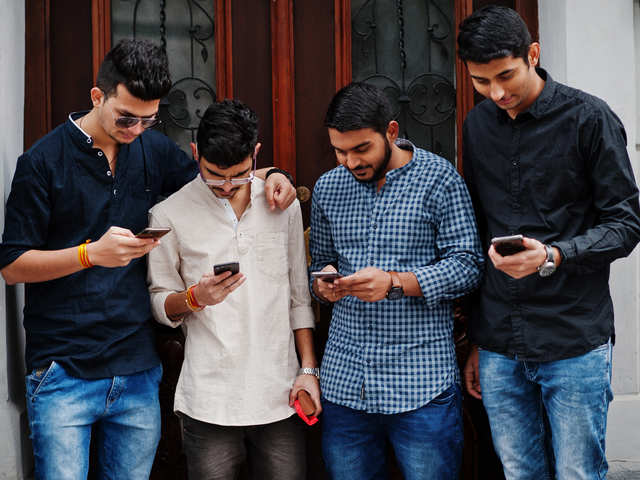
Lots of suggestions are floating around about what to do during three weeks of self-enforced house arrest, from growing herbs and learning yoga or other wellness regimes to mending clothes and learning a new craft or skill via online classes.
Some have even decided to have convivial evening gatherings of friends ensconced in their own homes via their smartphones and tablets, complete with appropriate attire, liquor, snacks and music. But breaking a habit has not been put on any to-do list.
For habits that are technology-related or essentially unsocial, enforced internment is an incentive, not an impediment.
The Covid-19-triggered national incarceration, however, has put the entire country in a position to test if 21days are indeed enough to break the most ingrained and common habit of all — that intrinsically human urge to interact, mingle, hobnob and generally gad about with family and friends.
The next 21 days will show whether it is indeed time enough for each of us to break this habit, given what can happen if we cannot.
ADVERTISEMENT
Holding hands, an affectionate gesture with romantic undertones, has become taboo in the time of the coronavirus. Handshakes, too, have been outlawed in the boardroom as well as stadiums - and after closing a deal, folks now pick up their phones and send each other formal emails.
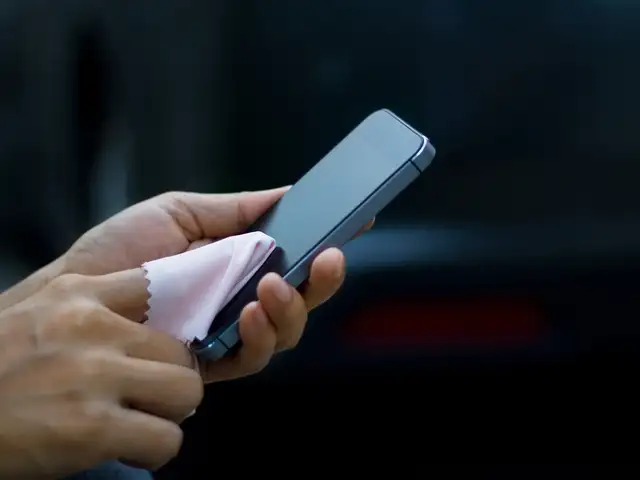
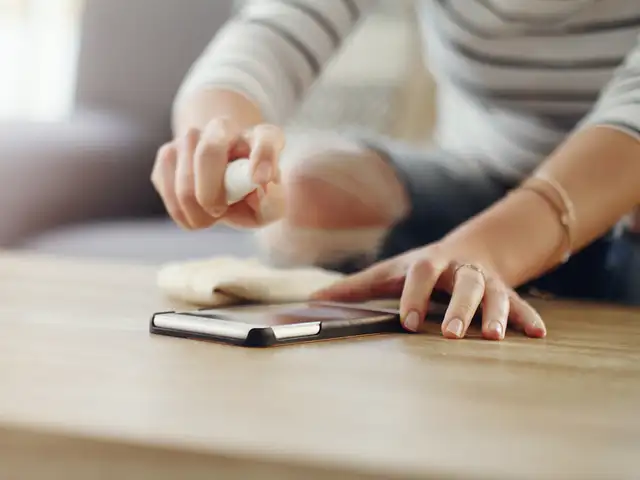
Lovers in parks sit on benches, their hands skidding across smartphone screens, sending emoji-laced messages. However, exercising one’s primary tactile organs to communicate through gestures might not be as dangerous as using a mobile phone.



Download
The Economic Times Business News App for the Latest News in Business, Sensex, Stock Market Updates & More.
The Economic Times Business News App for the Latest News in Business, Sensex, Stock Market Updates & More.
ADVERTISEMENT


