Low levels of lymphocyte blood cells may be an early warning for illness, associated with high risk of death
Lymphopenia - a condition where levels of lymphocyte blood cells are low - is often detected during routine blood tests.
By PTI |

iStock
LONDON: Lower levels of lymphocyte blood cells could be an early warning for future illness, according to a Danish study which found that low counts were associated with a 60 per cent increase in death from any cause.
Lymphopenia - a condition where levels of lymphocyte blood cells are low - is often detected during routine blood tests, the researchers said.
Patients are not usually referred for further investigation because the value of the condition as a predictor of future health was not known, they said.
"Our study showed that participants with lymphopenia were at high risk of dying from any cause, regardless of any other risk factor for all-cause mortality including age," said Stig Bojesen, from Copenhagen University Hospital in Denmark.
The study, published in the Canadian Medical Association Journal, included 108,135 people of Danish descent aged 20-100 years.

Consuming food based on your 'Blood Type' helps in better digestion, increases the energy levels, and prevents diseases and illnesses. Moreover, it also helps you lose weight.
Deepika Dua Arora, Dietitian Mutation Diet Clinic talks about the relationship between the blood group and nutritional aspect of food consumed.
Here are the food items you should consume and avoid, according to your blood group - A, B, O and AB.
(Image: ThinkStock)
Low lymphocyte count was associated with a 1.6-fold increase in the risk of death from any cause and a 1.5- to 2.8-fold increased risk of death from cancer, cardiovascular disease, respiratory disease, infections and other causes, the researchers said.
During the study period, a total of 10,372 people died, they said.
According to the researchers, older age was associated with decreasing lymphocyte counts.
Lymphopenia could also indicate frailty which could lead to illness and death, the researchers said.
"Using the absolute 2-year risks of all-cause mortality, physicians can identify high-risk individuals with lymphopenia (e.g., smokers older than 80 years) who might benefit from additional surveillance," the researchers noted.
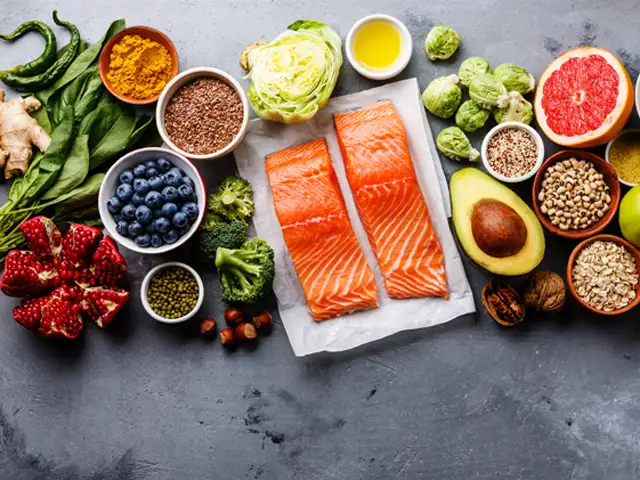
Unexplained fatigue, weakness, headaches, breathlessness, racing heart, dizziness and poor appetite could be signs of low haemoglobin.
Haemoglobin is an iron-rich protein present in red blood cells which determines the blood count and oxygen level in the body.
Mostly menstruating or pregnant women, growing children, and patients recovering from illnesses are susceptible to haemoglobin deficiency. A well-balanced diet with iron-rich food items can work wonders to increase the quality of blood.
Dr Kajal Yeptho Pandya, head of Department of Dietetics at Medanta - The Medicity explains how each meal with a variety of foods and portion sizes can up the haemoglobin level and moderate calorie intake.
Lymphopenia - a condition where levels of lymphocyte blood cells are low - is often detected during routine blood tests, the researchers said.
Patients are not usually referred for further investigation because the value of the condition as a predictor of future health was not known, they said.
"Our study showed that participants with lymphopenia were at high risk of dying from any cause, regardless of any other risk factor for all-cause mortality including age," said Stig Bojesen, from Copenhagen University Hospital in Denmark.
The study, published in the Canadian Medical Association Journal, included 108,135 people of Danish descent aged 20-100 years.
Deepika Dua Arora, Dietitian Mutation Diet Clinic talks about the relationship between the blood group and nutritional aspect of food consumed.
Here are the food items you should consume and avoid, according to your blood group - A, B, O and AB.
(Image: ThinkStock)



ADVERTISEMENT
They were enrolled in the Copenhagen General Population Study between 2003 and 2015.Low lymphocyte count was associated with a 1.6-fold increase in the risk of death from any cause and a 1.5- to 2.8-fold increased risk of death from cancer, cardiovascular disease, respiratory disease, infections and other causes, the researchers said.
During the study period, a total of 10,372 people died, they said.
According to the researchers, older age was associated with decreasing lymphocyte counts.
ADVERTISEMENT
The link between lymphopenia and death may be because of reduced immune capacity to survive potentially lethal diseases, they said.Lymphopenia could also indicate frailty which could lead to illness and death, the researchers said.
ADVERTISEMENT
They hope their findings may help doctors identify at-risk people."Using the absolute 2-year risks of all-cause mortality, physicians can identify high-risk individuals with lymphopenia (e.g., smokers older than 80 years) who might benefit from additional surveillance," the researchers noted.
Haemoglobin is an iron-rich protein present in red blood cells which determines the blood count and oxygen level in the body.
Mostly menstruating or pregnant women, growing children, and patients recovering from illnesses are susceptible to haemoglobin deficiency. A well-balanced diet with iron-rich food items can work wonders to increase the quality of blood.
Dr Kajal Yeptho Pandya, head of Department of Dietetics at Medanta - The Medicity explains how each meal with a variety of foods and portion sizes can up the haemoglobin level and moderate calorie intake.





Download
The Economic Times Business News App for the Latest News in Business, Sensex, Stock Market Updates & More.
The Economic Times Business News App for the Latest News in Business, Sensex, Stock Market Updates & More.
ADVERTISEMENT


