World Sepsis Day: Low BP, cold hands & feet? Your life can be at risk
Every few seconds someone dies of sepsis, and it is one of the leading causes of death globally.

Sepsis, results from an exaggerated immune response to infection, is associated with multi-organ failure and high risk of death. Although the incidence of sepsis is high, and the condition is one of the leading causes of death globally, there is very little awareness about it. In fact, every few seconds someone dies of sepsis.
The World Health Assembly and World Health Organization declared sepsis as a global health priority in 2017, and adopted a resolution to improve the prevention, diagnosis, and management of sepsis.
Sepsis: In Numbers
Most data on the incidence of sepsis are from high-income countries, where 2.8 million deaths per year are attributed to sepsis. Deaths due to sepsis are underreported except in the case of maternal and neonatal sepsis so the problem is probably much more serious than reports suggest. Also, although it is difficult to estimate the incidence of sepsis in low- and middle-income countries, most deaths due to sepsis happen in the US.

Monsoon is here and so are the diseases. The change in season can result in various viral infections, flus and poor health conditions.
The tricky season can lead to various health problems like sore throat, itchy nose, sneeze, ceaseless cough, common cold, and many water-borne diseases like typhoid, gastroenteritis, food poisoning, diarrhoea, malaria and dengue.
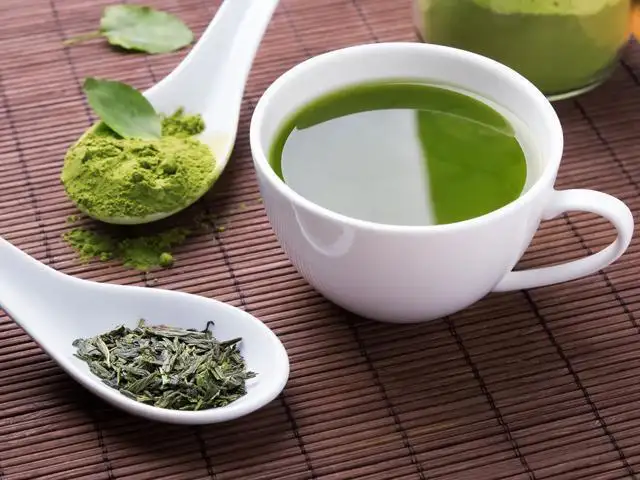
While regular exercising and staying hydrated is important, it is crucial to consume the right foods to strengthen your immunity and beat the illness this season.
Dolly Kumar, founder and director of Gaia; Eesha Kanade, Obino's health coach; Luke Coutinho, MD in alternative medicine & holistic nutritionist; and holistic health guru Dr Mickey Mehta share a list of best immunity-boosting foods that will keep you healthy.









A large multi-centric study conducted in India with over 4000 ICU patients showed that over a quarter of all patients admitted to ICUs develop sepsis. Alarmingly, this 2016 study also showed that over half of ICU deaths in India can be attributed to sepsis.
Sepsis is an overwhelming response by our immune system to an infection. This results in damage to various tissues and organs, and could lead to multi-organ failure. This inflammatory response is often followed by a dampening of the immune response, resulting in immuno-suppression. Patients, who recover from early sepsis, can develop hospital-acquired infections from pathogens that typically don't cause infections in healthy people, and have reactivation of latent viruses. This makes diagnosis and treatment of the infectious agent very challenging, thus contributing to high morbidity and mortality.
Causes Of Sepsis
Sepsis can be caused by any infectious agent like bacteria, fungi or viruses. Diagnostics have to cover a wide range of pathogens. The infections can be community- or hospital-acquired. It has been reported that about 80% of hospital-treated sepsis cases are community-acquired. The most common site of infection that leads to sepsis is the lung (64% of cases), followed by the abdomen (20%), bloodstream (15%), and renal and genitourinary tracts (14%).
Sepsis And Symptoms
Sepsis was earlier classified as sepsis, severe sepsis and septic shock. However, this classification has been redefined in recent years as sepsis and septic shock with multiple organ dysfunction syndrome (MODS).

Sepsis can be difficult to diagnose because of non-specific symptoms, and the absence of fever in some cases. Sepsis diagnosis is based on assessment of temperature, heart rate, respiratory rate, blood pressure, level of consciousness and oxygen saturation. Patients are at high risk of severe illness or death from sepsis if they show evidence of altered mental state, an elevated respiratory rate, increased oxygen requirement, elevated heart rate, decreased blood pressure, reduced urine output, mottled or ashen appearance, non-blanching skin rash, cold hands/feet, and skin, lips or tongue turning blue.
When the condition of patient with sepsis aggravates beyond a point, the patient suffers abnormally low blood pressure and is said to be in septic shock. This leads to MODS and culminates in the death of the patient.
Why Early Diagnosis Is Vital
The earlier the diagnosis, the quicker is the treatment initiation. Standard diagnostic procedures include taking blood cultures. Such tests allow bacteria or fungi that are present in the blood to grow and multiply to a level where they can be easily identified. However, these tests take about 72 hours, and are positive in only 15-20 per cent of ICU cases. Various tests are conducted on blood, urine, wound and mucous secretions to determine the cause of sepsis. These tests play a vital role in identifying infection indicators like clotting problems, abnormal kidney function, decreasing oxygen saturation, and electrolyte imbalance, among other parameters. Radiological tests like X-rays, CT scans, ultrasound, and MRI are also conducted but can't accurately identify the causative agent.
Delay of every hour in sepsis diagnosis increases the risk of fatality by 8%. Fortunately, modern sciences and advances in medical diagnostics have made it possible to obtain results in less than 24 hours. Today, molecular testing which identify bacteria, virus, and fungi by genetic material or DNA are paving the way for faster and more accurate diagnostics. Unlike routine culture, these tests identify organisms in 55-60% of cases.
Treating Sepsis
Patients with sepsis can deteriorate very quickly and hence need to be diagnosed and treated without delay. Treatment includes fluid resuscitation, intra-vascular volume replacement, use of vasopressors, empiric broad-spectrum antimicrobial therapy, RBC transfusion, mechanical ventilation where necessary, blood glucose control, blood thinners, enteral nutrition, immune supplements and pain management. Other treatments may also be prescribed to manage various organ systems (For e.g. dialysis is done when kidney-function is affected). Some cases may require surgery to drain out the pus-filled abscesses or remove infected tissue.
Recovering From Sepsis
Recovery after sepsis depends upon the magnitude of damage which in turn depends on the speed of diagnosis and management of the patient. Sepsis could lead to significant morbidities like damaged organs, insomnia, severe and disabling muscle and joint pains, fatigue, and lower cognitive functioning.
Prevention Remains Better Than Cure
People with lower immunity like newborns, expectant mothers, elderly, cancer patients, and post-transplant patients must be extra careful to avoid infections by following good hygiene practices. Access to clean water, fresh food, taking required vaccination, getting proper medical attention for cuts and bruises are various ways to prevent people from contracting infections that could potentially lead to sepsis. Besides, good infection control practices in health care facilities also go a long way in preventing sepsis.
(The author is Director of Molecular Pathology, iGenetic Diagnostics)
The Economic Times Business News App for the Latest News in Business, Sensex, Stock Market Updates & More.


