Lost & found: When a missing crescent-shaped emerald from Maharaja of Kapurthala’s collection surfaced at auction
The crescent-shaped emerald was owned by Anita Delgado, the ex-wife of the Maharaja Jagatjit Singh.
By Masoom Gupte, ET Bureau | Updated:

Agencies
Everybody knows India lost the Kohinoor diamond. That’s the downside of the story. The upside is that we know exactly where it is. Unfortunately, the same cannot be said for the myriad treasures of multiple erstwhile kingdoms of India. They are lost forever, unless they surface at some auction or a museum.
Like the crescent-shaped emerald owned by Anita Delgado, the ex-wife of the erstwhile Maharaja of Kapurthala, Jagatjit Singh. It showed up at an auction earlier this year, bringing relief and joy to Singh’s descendants. “His highness [Sukhjit Singh, grandson of the former king] was very pleased to know that the crescent-shaped emerald that was worn by Anita Delgado was still extant,” Cynthia Meera Frederick, who works closely with the descendants of Singh on matters related to archiving, restoration and conservation, told ETPanache during an interview.
“It’s good to know that these pieces are still there and that they haven’t been broken up.”
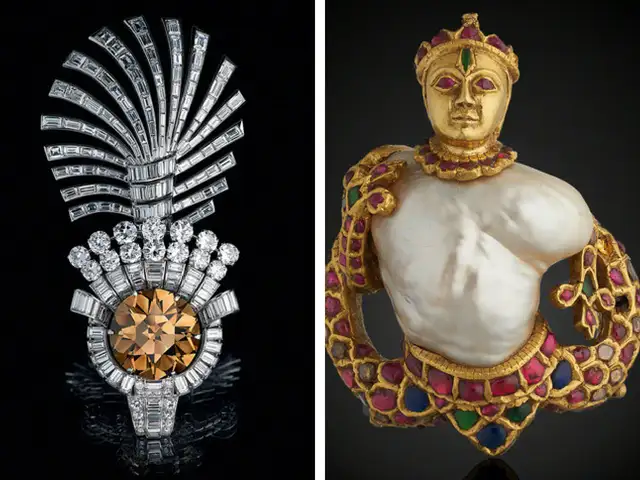
The royal Qatar family’s jewel collection, which contains over 270 precious gems from India, is currently on display in Beijing.
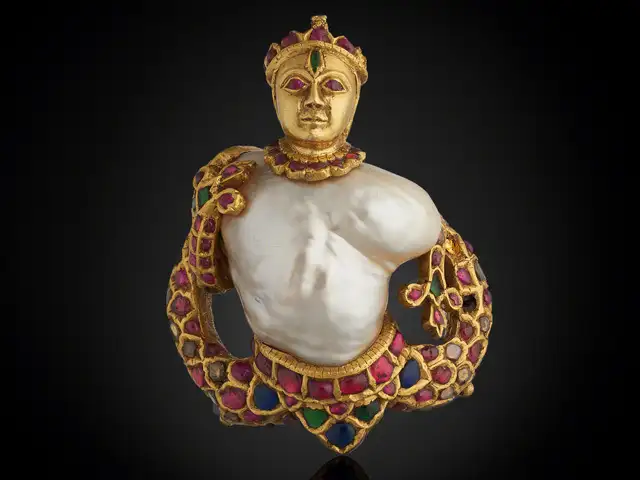
A ready reckoner of five interesting Indian jewels from the dazzling Al Thani collection:
(Information taken from The Al Thani Collection website - http://thealthanicollection.com)
After separating from Singh, Delgado returned to her native Spain, taking the emerald with her. She later passed it on to the couple’s son, Ajit, ensuring its safe passage over generations. The same fate was not shared by Kapurthala’s other treasures. Apparently, this former kingdom’s proximity to the border, combined with Singh’s death in 1949, left the city and its treasures vulnerable. “In Kapurthala, what isn’t known is that prior to partition, the people who looked after the royal treasury, were the Muslims of Kapurthala.
They left after Partition thinking they will come back [once things settled down]. After that, the Maharaja died in 1949. And you didn’t have that system looking after the treasury,” Frederick said.
There are various reasons for how these pieces went out. We could speculate but we just know and accept that the majority of the great jewellery collections of India are not extant. They vanished from the county, which is sad”.
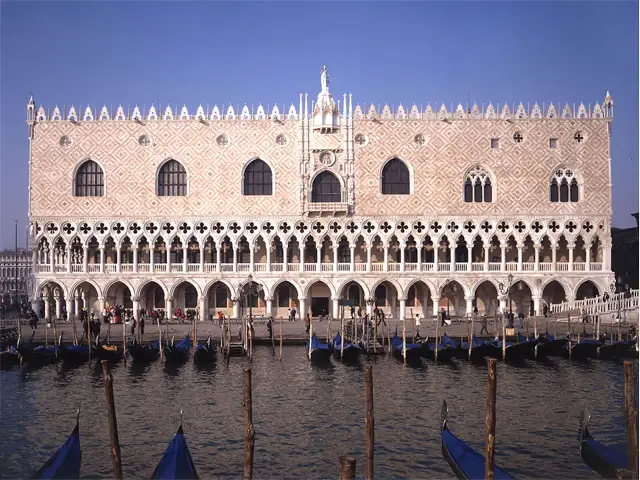
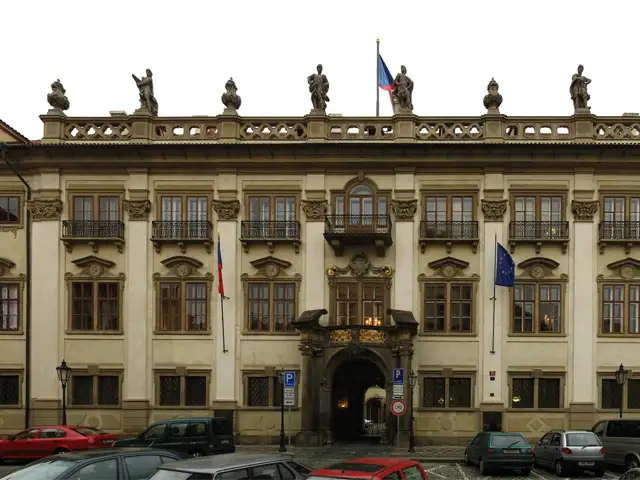
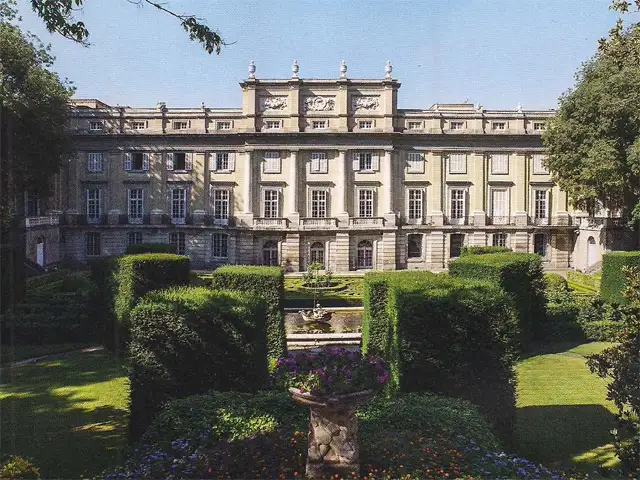
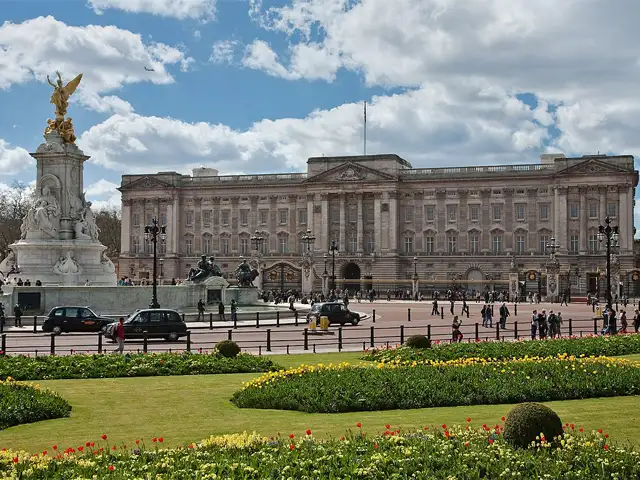
Venice’s Palazzo Ducale museum was robbed recently. The thieves stole a valuable brooch and a pair of earrings from the Al Thani collection exhibition, assembled by Qatar’s His Highness Sheikh Hamad bin Abdullah Al Thani. Here are other palaces that better mind their family jewels.
Like the crescent-shaped emerald owned by Anita Delgado, the ex-wife of the erstwhile Maharaja of Kapurthala, Jagatjit Singh. It showed up at an auction earlier this year, bringing relief and joy to Singh’s descendants. “His highness [Sukhjit Singh, grandson of the former king] was very pleased to know that the crescent-shaped emerald that was worn by Anita Delgado was still extant,” Cynthia Meera Frederick, who works closely with the descendants of Singh on matters related to archiving, restoration and conservation, told ETPanache during an interview.
“It’s good to know that these pieces are still there and that they haven’t been broken up.”
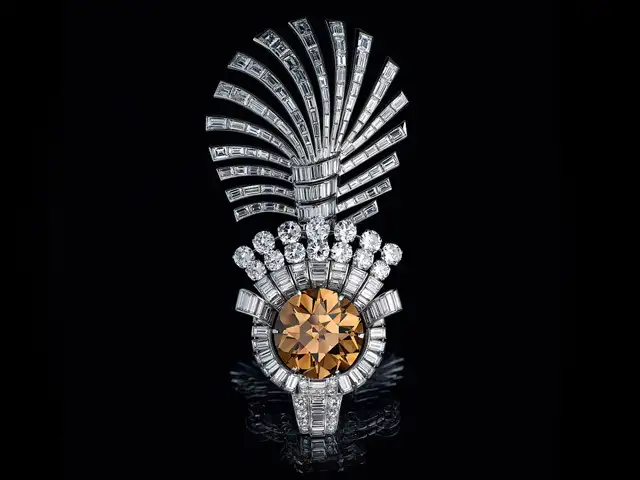
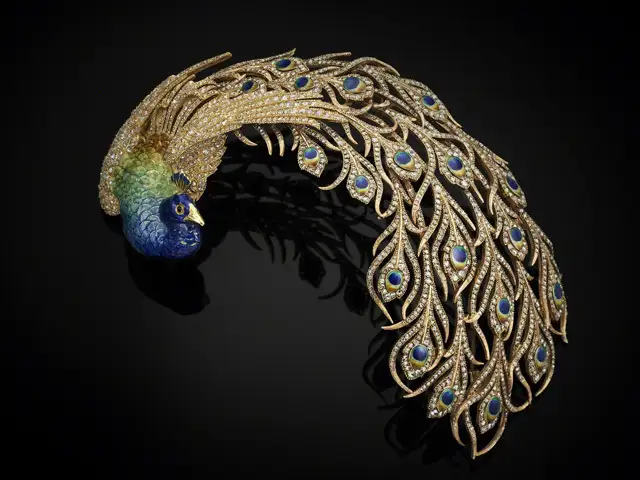
A ready reckoner of five interesting Indian jewels from the dazzling Al Thani collection:
(Information taken from The Al Thani Collection website - http://thealthanicollection.com)



After separating from Singh, Delgado returned to her native Spain, taking the emerald with her. She later passed it on to the couple’s son, Ajit, ensuring its safe passage over generations. The same fate was not shared by Kapurthala’s other treasures. Apparently, this former kingdom’s proximity to the border, combined with Singh’s death in 1949, left the city and its treasures vulnerable. “In Kapurthala, what isn’t known is that prior to partition, the people who looked after the royal treasury, were the Muslims of Kapurthala.
They left after Partition thinking they will come back [once things settled down]. After that, the Maharaja died in 1949. And you didn’t have that system looking after the treasury,” Frederick said.
ADVERTISEMENT
The post-Independence years weren’t kind to Indian royalty. Frederick said, “Imagine, between Independence and the Antiquities and Art Treasures Act of 1972, so many dealers came to India. That was a time when no one was wearing these pieces. There was also a strong anti-royal sentiment. So what are you going to do with an old sarpech?There are various reasons for how these pieces went out. We could speculate but we just know and accept that the majority of the great jewellery collections of India are not extant. They vanished from the county, which is sad”.
Download
The Economic Times Business News App for the Latest News in Business, Sensex, Stock Market Updates & More.
The Economic Times Business News App for the Latest News in Business, Sensex, Stock Market Updates & More.
ADVERTISEMENT


