Limit the use of air conditioners: Ventilation systems may increase Covid exposure risk
Insufficient ventilation can lead to high CO2 concentration and increase the risk of virus exposure.
By PTI |
iStock
When sitting still, humans give off heat, and since hot air rises, when you exhale, the breath rises and accumulates near the ceiling.
LONDON: Ventilation systems in many buildings, which are designed to keep temperatures comfortable, may increase the risk of exposure to the novel coronavirus which causes COVID-19, particularly during the winter season when people prefer to stay indoors, says a new study.
Scientists, including those from the University of Cambridge in the UK, found that widely-used 'mixing ventilation' systems, which are designed to keep conditions uniform in all parts of the room, disperse airborne contaminants evenly throughout the space.
According to the study, published in the Journal of Fluid Mechanics, these contaminants may include droplets and aerosols, potentially containing viruses such as the novel coronavirus SARS-CoV-2.
With evidence increasingly indicating that the coronavirus is spread primarily via droplets and aerosols expelled as people cough, sneeze, talk, or breathe, the findings underscore the need for good ventilation and mask-wearing to mitigate SARS-CoV-2 transmission risk.
Based on studies conducted so far, the researchers said indoor transmission is far more common than outdoor transmission -- likely due to increased exposure times and decreased dispersion rates for droplets and aerosols.
"As winter approaches in the northern hemisphere and people start spending more time inside, understanding the role of ventilation is critical to estimating the risk of contracting the virus and helping slow its spread," said study co-author Paul Linden from the University of Cambridge.
ADVERTISEMENT
Small respiratory aerosols containing the virus are transported along with the carbon dioxide produced by breathing, and are carried around a room by ventilation flows, Linden said.
"Insufficient ventilation can lead to high carbon dioxide concentration, which in turn could increase the risk of exposure to the virus," he explained.
According to the scientists, air flow within the building works in one of two main modes -- mixing ventilation or displacement ventilation.
They said the former mode is the most common, where vents are placed to keep the air in a space well mixed so that temperature and contaminant concentrations are kept uniform throughout the space.
ADVERTISEMENT
The second mode, displacement ventilation has vents placed at the bottom and the top of a room, creating a cooler lower zone, and a warmer upper zone, and warm air is extracted through the top part of the room, the researchers said.
Since exhaled breath is also warm, most of it accumulates in the upper zone, they explained.
ADVERTISEMENT
If the interface between the zones is high enough, the study said contaminated air can be extracted by the ventilation system rather than breathed in by someone else.
Keeping windows open and wearing a mask appear to be the best advice. The scientists suggest that when designed properly, displacement ventilation could reduce the risk of mixing and cross-contamination of breath, thereby mitigating the risk of exposure.
"These two concerns are related, but different, and there is tension between them, which has been highlighted during the pandemic," said Rajesh Bhagat, another co-author of the study from the University of Cambridge.
"Maximising ventilation, while at the same time keeping temperatures at a comfortable level without excessive energy consumption is a difficult balance to strike," Bhagat said.
In order to model how the coronavirus or similar viruses spread indoors, the scientists believe it is important to know where people's breath goes when they exhale, and how that changes depending on ventilation.
"Using these data, we can estimate the risk of catching the virus while indoors," Linden said.
In the study, the scientists explored a range of different modes of exhalation -- nasal breathing, speaking and laughing, each both with and without a mask -- by imaging the heat associated with the exhaled breath.
"When sitting still, humans give off heat, and since hot air rises, when you exhale, the breath rises and accumulates near the ceiling," said Bhagat.
The researchers said laughing, in particular, creates a large disturbance, suggesting that if an infected person without a mask was laughing indoors, it would greatly increase the risk of transmission.
"One thing we could clearly see is that one of the ways that masks work is by stopping the breath's momentum," said Linden.
"While pretty much all masks will have a certain amount of leakage through the top and sides, it doesn't matter that much, because slowing the momentum of any exhaled contaminants reduces the chance of any direct exchange of aerosols and droplets as the breath remains in the body's thermal plume and is carried upwards towards the ceiling," he said.
According to the scientists, a three-layered mask decreases the amount of those contaminants that are recirculated through the room by ventilation.
"Keep windows open and wear a mask appears to be the best advice. Clearly that's less of a problem in the summer months, but it's a cause for concern in the winter months," Linden said.
A lot of what you hear or read about the coronavirus may be myths. WHO data busts a few common misconceptions.
A lot of what you hear or read about the coronavirus may be myths. WHO data busts a few common misconceptions.
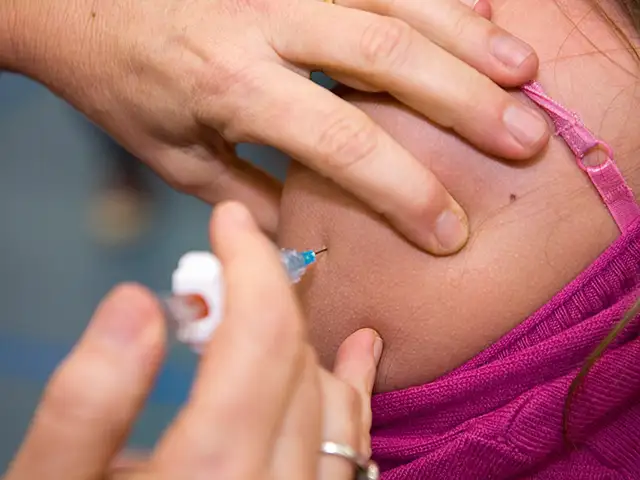
Myth: Pneumonia vaccines will protect you against coronavirus.
Reality: Vaccines against pneumonia, such as pneumococcal vaccine and Haemophilus influenza type B (Hib) vaccine, do not provide protection against coronavirus. The virus is so new and different that it needs its own vaccine. Researchers are trying to develop a vaccine against 2019-nCoV, and WHO is supporting their efforts. However, while they are not effective against 2019-nCoV, vaccination against respiratory illnesses is highly recommended to protect your health.
Myth: Pneumonia vaccines will protect you against coronavirus.
Reality: Vaccines against pneumonia, such as pneumococcal vaccine and Haemophilus influenza type B (Hib) vaccine, do not provide protec..
Read More
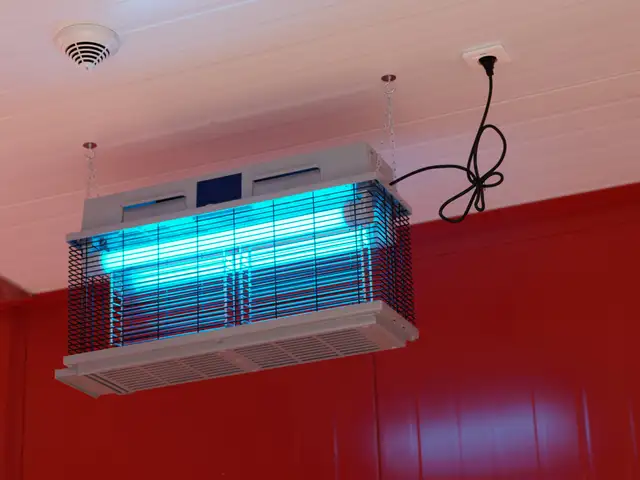
Myth: Ultraviolet disinfection lamp can kill the coronavirus.
Reality: UV lamps should not be used to sterilise hands or other areas of skin. Far from killing the virus, the UV radiation can actually cause skin irritation.
Myth: Ultraviolet disinfection lamp can kill the coronavirus.
Reality: UV lamps should not be used to sterilise hands or other areas of skin. Far from killing the virus, the UV radiation can actuall..
Read More
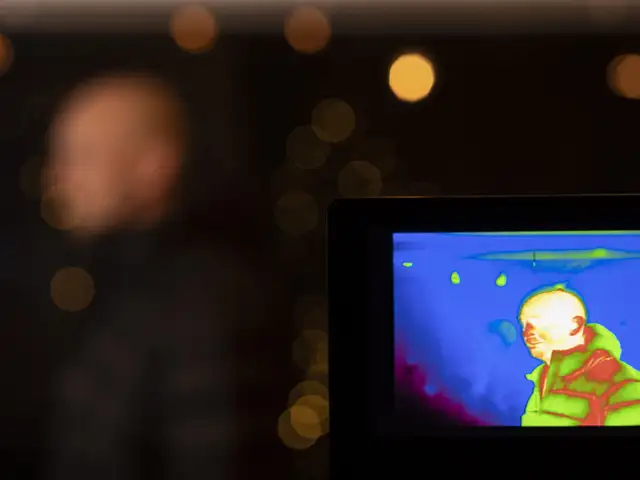
Myth: Thermal scanners can help detect infected people.
Reality: Thermal scanners are effective in detecting people who have developed a fever due to the coronavirus infection. However, they cannot detect people who are infected but are not yet sick with the fever. This is because it takes between two and 10 days before people who are infected become sick and develop a fever.
Myth: Thermal scanners can help detect infected people.
Reality: Thermal scanners are effective in detecting people who have developed a fever due to the coronavirus infection. However, they cannot ..
Read More
Myth: Spraying alcohol or chlorine all over the body kill the coronavirus.
Reality: Spraying alcohol or chlorine all over your body will not kill viruses that have already entered your body. In fact, spraying such substances can be harmful to clothes or mucous membranes (ie eyes, mouth). Be aware that both alcohol and chlorine can be used to disinfect surfaces, but they need to be used under appropriate recommendations.
Myth: Spraying alcohol or chlorine all over the body kill the coronavirus.
Reality: Spraying alcohol or chlorine all over your body will not kill viruses that have already entered your body. In fact..
Read More
Myth: Putting on sesame oil will block the coronavirus from entering the body.
Reality: Sesame oil does not kill coronavirus. There are some chemical disinfectants that can kill the 2019-nCoV on surfaces. These include bleach or chlorine-based disinfectants, solvents, 75 per cent ethanol, peracetic acid and chloroform. However, they have little or no impact on the virus if you put them on the skin or under your nose. It can even be dangerous to put these chemicals on your skin.
Myth: Putting on sesame oil will block the coronavirus from entering the body.
Reality: Sesame oil does not kill coronavirus. There are some chemical disinfectants that can kill the 2019-nCoV on sur..
Read More
Myth: Coronavirus mainly affects older people.
Reality: People of all ages can be infected by the 2019-nCoV. Older people, and people with preexisting medical conditions [such as asthma, diabetes, heart disease] appear to be more vulnerable. But WHO has advised people of all ages to take steps to protect themselves from the virus.
Myth: Coronavirus mainly affects older people.
Reality: People of all ages can be infected by the 2019-nCoV. Older people, and people with preexisting medical conditions [such as asthma, diabetes, h..
Read More
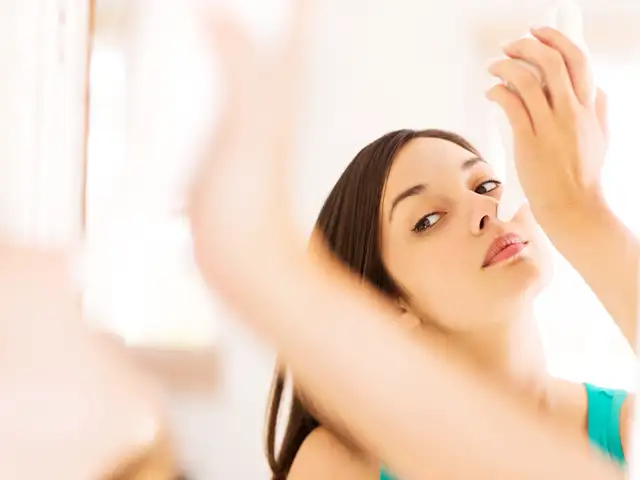
Myth: Rinsing your nose with saline will help prevent coronavirus infection.
Reality: There is no evidence that regularly rinsing the nose with saline has protected people from a coronavirus infection. But there is some limited evidence that regularly rinsing nose with saline can help people recover more quickly from a common cold. However, regularly rinsing the nose has not been shown to prevent respiratory infections.
Myth: Rinsing your nose with saline will help prevent coronavirus infection.
Reality: There is no evidence that regularly rinsing the nose with saline has protected people from a coronavirus infecti..
Read More
Myth: It’s not safe to receive letters or packages from China.
Reality: It is safe to receive letters and packages from China. People receiving packages from China are not at risk of contracting the coronavirus. From previous analysis, we know that coronaviruses do not survive long on objects such as letters or packages.
Myth: It’s not safe to receive letters or packages from China.
Reality: It is safe to receive letters and packages from China. People receiving packages from China are not at risk of contracting the..
Read More
Myth: Pets at home can spread the coronavirus
Reality: At present, there is no evidence that companion animals or pets such as dogs or cats can be infected with the coronavirus. However, it is always a good idea to wash your hands with soap and water after contact with these pets. This will protect you against various common bacteria such as E.coli and Salmonella that can pass between pets and humans.
Myth: Pets at home can spread the coronavirus
Reality: At present, there is no evidence that companion animals or pets such as dogs or cats can be infected with the coronavirus. However, it is alway..