Lesson learnt from Rs 200-cr Auli wedding: Chamoli finds unique way to fight plastic waste
The project will finally help the city find a smarter way to segregate and convert garbage.
By ET Online and Agencies | Updated:
Getty Images
The Chamoli Municipality has decided to fight the challenge of plastic waste.
NEW DELHI: The high-profile wedding ceremonies of two sons of South Africa-based businessmen - Atul and Ajay Gupta - that took place in the ski resort of Auli has left the entire district of Chamoli in Uttrakhand a state of environmental vulnerability. The pristine hill station of Auli turned into a dumping ground with 32,100 kg of garbage after the Rs 200-crore wedding celebration concluded last month.
Ajay and Atul Gupta's sons weddings took place in Auli on a budget of Rs 200 crore. While the Guptas were fined Rs 1.5 lakh for littering, the local authorities were concerned about the excessive plastic waste left behind.
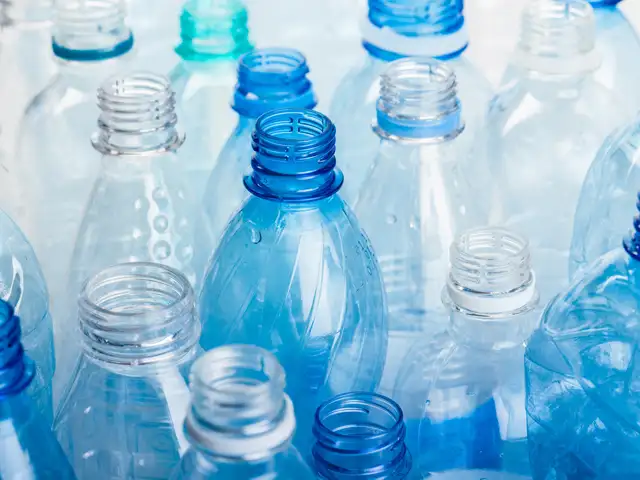
Within three days of clearing the ski resort, the Chamoli Municipality has now decided to fight the challenge of waste by turning old plastic into recyclable tiles.
Waste left behind following the large-scale Auli weddings hosted by the South Africa-based Gupta family. (Image: AFP) Currently, the municipality does not have a proper place to dispose the garbage. So, this project that is expected to cost Rs 20 lakh will help the city in segregating garbage, and converting plastic waste into a useful product.
Plastic-Eating Enzymes And Other Accidental Discoveries That Changed The World
1/7
After scientists accidentally created mutant plastic-eating enzymes, we look at other unintentional discoveries that changed the world.
(Text: Shannon Tellis)
After scientists accidentally created mutant plastic-eating enzymes, we look at other unintentional discoveries that changed the world.
(Text: Shannon Tellis)
In the 1950s, pacemakers were large, television-sized machines that were temporarily attached to patients from the outside. Thankfully, a technical mistake by Wilson Greatbatch changed everything. While working on an os cillator to record heart sounds, he accidentally installed a 1-megaohm resistor instead of the 10,000-ohm variety. When the prototype started giving off a rhythmic electrical pulse very similar to the human heart, Greatbatch realised the device could be placed in someone’s chest to help their heart beat. He refined the device and was awarded a patent two years later.
In the 1950s, pacemakers were large, television-sized machines that were temporarily attached to patients from the outside. Thankfully, a technical mistake by Wilson Greatbatch changed everything. Wh..
Read More
This popular soft drink actually started as a medicine for morphine addicts. Post the American Civil War, pharmacist John Pemberton invented a recipe made from coca leaves and coca wines to combat his addiction to morphine. It was also marketed as an opium-free painkiller. When legislative prohibition hit a year later, Pemberton came up with a non-alcoholic version that became the beverage we know today. The first sales were at Jacob’s Pharmacy in Atlanta, Georgia, where it was as a patent medicine for five cents.
This popular soft drink actually started as a medicine for morphine addicts. Post the American Civil War, pharmacist John Pemberton invented a recipe made from coca leaves and coca wines to combat hi..
Read More
If you’ve ever reached out for these colourful sticky notes, you have 3M employee Arthur Fry to thank. In 1968, an employee was trying to develop a strong adhesive, but accidentally created a weaker one instead. Not knowing what to do with it, he abandoned the project. It was only six years later, when Fry needed a light adhesive to attach bookmarks to his church hymn book, that the idea for post-its was born. While the company was initially sceptical about the product’s use, they were launched in 1980 and are now sold in more than 100 countries.
If you’ve ever reached out for these colourful sticky notes, you have 3M employee Arthur Fry to thank. In 1968, an employee was trying to develop a strong adhesive, but accidentally created a weaker ..
Read More
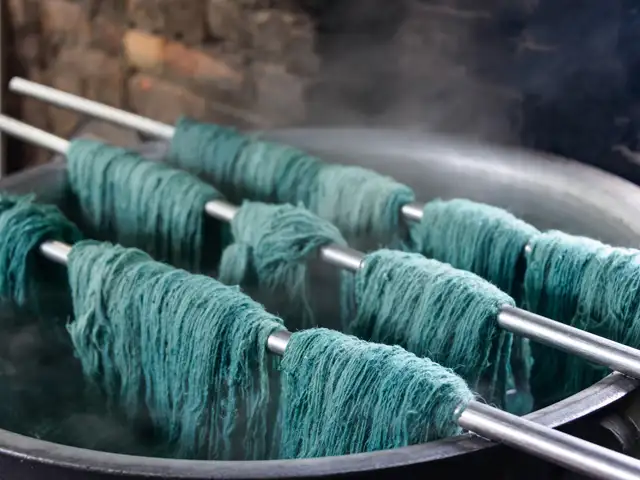
While attempting to create an artificial quinine to treat malaria in 1856, teenage student William Perkins discovered a new colour while oxidising anilines (a colourless aromatic oil derived from coal tar).
He successfully isolated the purplish colour, creating the world’s first synthetic dye — mauveine.
While attempting to create an artificial quinine to treat malaria in 1856, teenage student William Perkins discovered a new colour while oxidising anilines (a colourless aromatic oil derived from coa..
Read More
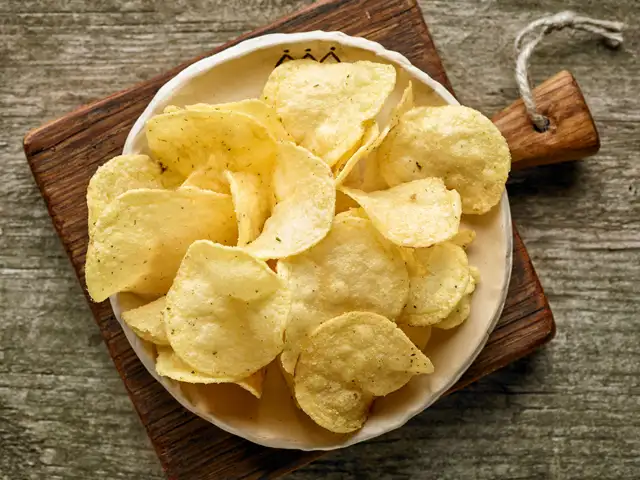
Fed up with a fussy customer who kept sending his fried potatoes back because they weren’t crunchy enough, New England chef George Crum is said to have sliced potatoes as finely as possible and salted them heavily in an attempt to make them inedible. To his surprise, the customer loved the deep-fried chips and asked for a second serving. The ‘Saratoga Chips’ became so popular that were soon mass-produced for home consumption.
Fed up with a fussy customer who kept sending his fried potatoes back because they weren’t crunchy enough, New England chef George Crum is said to have sliced potatoes as finely as possible and salte..
Read More
Strangely enough, this heart-attack inducing pill was invented during an experiment to prevent heart attacks. In the early 1990s, pharmaceutical giant Pfizer was testing sildenafil as a drug to treat angina (chest pain caused due to restriction of blood vessels). Midway through the trials, they realised that test subjects refused to return the pills because it helped their sex drive. And thus, the infamous little blue pill was born.
Strangely enough, this heart-attack inducing pill was invented during an experiment to prevent heart attacks. In the early 1990s, pharmaceutical giant Pfizer was testing sildenafil as a drug to treat..
In a statement to a news agency, ANI, Anil Pant, Executive Officer of the Chamoli Municipality, said, "We have a project where we will be converting the plastic waste into tiles. Every day, 6-7 tonnes of plastic waste is generated in the region. Earlier, we use to compact it and send it outside, but now we will recycle it and utilise it. We will use these tiles on roads throughout the city".
Kritika Singhal (R), daughter of diamond merchant Suresh Singhal, and Suryakant (L), son of industrialist Ajay Gupta, got married in Auli on June 20. The wedding celebrations of Suryakant Gupta, son of Ajay, took place from June 18 to 20, while the nuptials of Atul's son, Shashank, were solemnised between June 20 and 22.