Lancet study confirms air pollution in India can result in increased risk of pregnancy loss
Pollution above WHO guideline may have contributed to 29% of pregnancy losses.
By PTI | Updated:
iStock
Rise in every 10 μg/m3 was estimated to increase a mother's risk of pregnancy loss by 3%.
NEW DELHI: Pregnant women in India, Pakistan, Bangladesh, who are exposed to poor air quality, may be at higher risk of stillbirths and miscarriages, according to a modelling study published in The Lancet Planetary Health journal. Researchers found that an estimated 349,681 pregnancy losses per year in south Asia were associated with exposure to PM2.5 concentrations that exceeded India's air quality standard of 40 microgrammes per cubic metre (μg/m3) of small particulate matter (PM2.5).
These account for 7 per cent of annual pregnancy loss in the region from 2000-2016, they said.
For air pollution above WHO air quality guideline of of 10 μg/m3, exposure may have contributed to 29 per cent of pregnancy losses, according to the study.
"South Asia has the highest burden of pregnancy loss globally and is one of the most PM2.5 polluted regions in the world," said study lead author Tao Xue, from Peking University, China.
"Our findings suggest that poor air quality could be responsible for a considerable burden of pregnancy loss in the region, providing further justification for urgent action to tackle dangerous levels of pollution," Xue said.
Tianjia Guan, from the Chinese Academy of Medical Sciences said that losing a pregnancy can have knock-on mental, physical and economic effects on women.
ADVERTISEMENT
These, Guan said, include increased risk of postnatal depressive disorders, infant mortality during subsequent pregnancy, and increase the costs related to pregnancy, such as loss of labour.
Pollution On The Rise: These 6 Common Mistakes Are Hurting Your Health
1/7
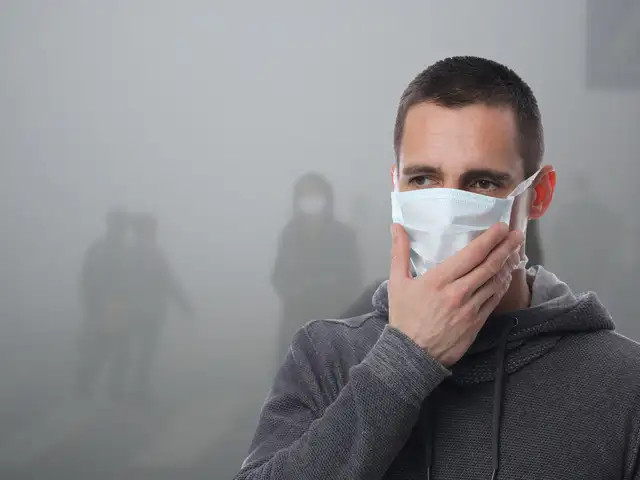
Delhi has, once again, been transformed into a gas chamber, with its residents suffering greatly.
According to the government's air quality monitor, SAFAR, the overall AQI (Air Quality Index) in the National Capital, on the day after Diwali stood at 506, touching 999 at 4 am.
The perpetual smog in the air is leading to numerous health issues, including:
- Dryness and irritation of the eyes, nose, throat, and skin
- Headache
- Fatigue
- Shortness of breath
- Hypersensitivity and allergies
- Sinus congestion
- Coughing and sneezing
- Dizziness
- Nausea
As the problem persists, we asked Dr Piyush Goyal, senior consultant, pulmonology and critical care at Gurugram's Columbia Asia Hospital, to help us decode some common mistakes that people make that may be worsening the effects of pollution.
Delhi has, once again, been transformed into a gas chamber, with its residents suffering greatly.
According to the government's air quality monitor, SAFAR, the overall AQI (Air Quality Index) in..
Read More
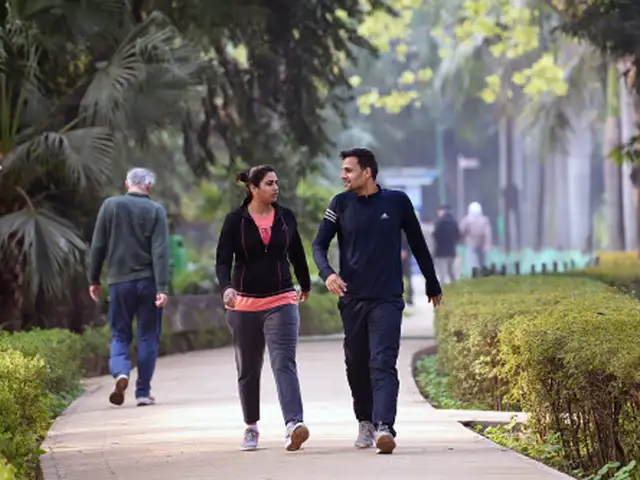
While exercising is an essential aspect of life, dire situations call for dire measures. Your daily morning walk may do more harm than benefit in these extreme weather conditions.
For the upcoming days, refrain from any outdoor activity to ensure for the sake of your health.
While exercising is an essential aspect of life, dire situations call for dire measures. Your daily morning walk may do more harm than benefit in these extreme weather conditions. For the upcoming da..
Read More
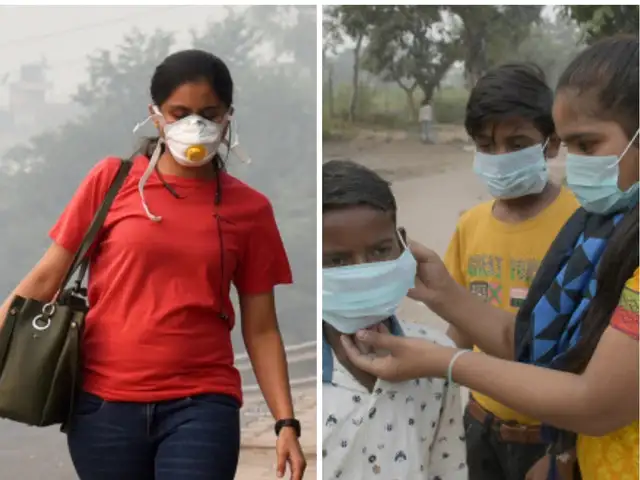
The air quality has deteriorated to such an extent that remaining outdoors for more than an hour can cause immediate irritation to your respiratory system.
While we can’t avoid leaving the house, it is prudent to wear mandated masks- N95/99, while stepping out.
The air quality has deteriorated to such an extent that remaining outdoors for more than an hour can cause immediate irritation to your respiratory system. While we can’t avoid leaving the house, it ..
Read More
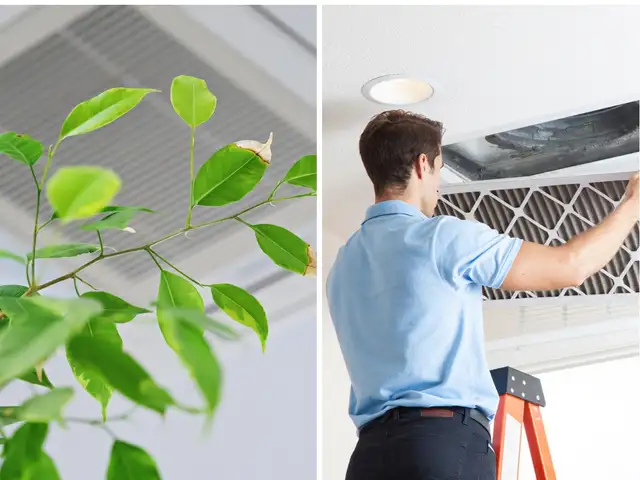
While outdoor air pollution is a grave issue, what’s worse is that indoor air too affects your respiratory system at a rapid scale. To combat this, it is important to ventilate your home, especially closed spaces such as the kitchen and washrooms.
Make sure you have an exhaust fan installed for the kitchen and bathrooms, as this helps in air recirculation, improving the air that you breathe.
While outdoor air pollution is a grave issue, what’s worse is that indoor air too affects your respiratory system at a rapid scale. To combat this, it is important to ventilate your home, especially ..
Read More
Thinking that you can avoid the pollution outdoors by maintaining bare minimum ventilation at home is bad not just for you, but also for your loved ones.
It is important to open let your house breathe. However, avoid doing so during peak pollution hours, and rather open the windows and doors between 3 pm-5 pm, as the pollutant level is generally low during this period.
Thinking that you can avoid the pollution outdoors by maintaining bare minimum ventilation at home is bad not just for you, but also for your loved ones. It is important to open let your house breath..
Read More
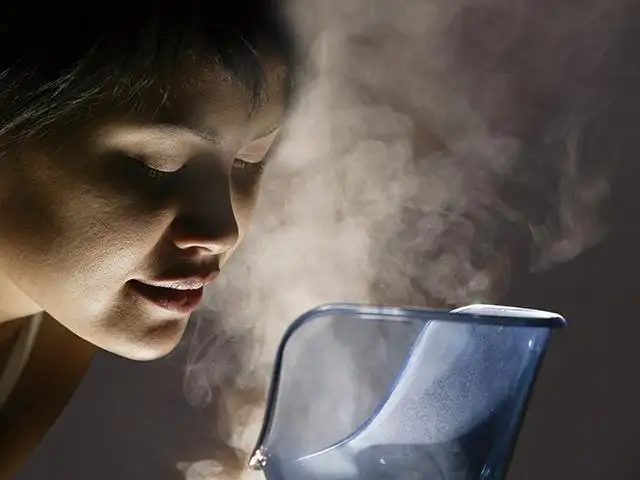
Certain practices, passed over from our grandmothers, can be beneficial during this period. Choosing modern remedies and discarding traditional ones isn't always the smartest choice.
Inhaling steam is an important aspect of respiratory purification as it helps in relaxing your air-passages while removing the harmful particulate substances. Try taking steam with a few drops of eucalyptus oil regularly in the evening and you’ll see the difference.
Certain practices, passed over from our grandmothers, can be beneficial during this period. Choosing modern remedies and discarding traditional ones isn't always the smartest choice.Inhaling steam is..
Read More
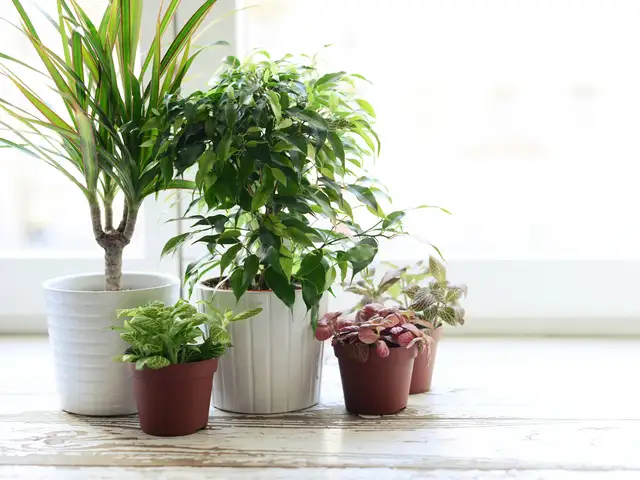
Maintaining one's private garden has various benefits, with air purification being one of the primary ones.
So, go all out when it comes to bringing the garden into your home. Several indoor plants are excellent air purifiers.
If you're looking for names, Aloe Vera, Ivy and Spider plants can be of great use to the respiratory system as they help purify indoor air.
Maintaining one's private garden has various benefits, with air purification being one of the primary ones. So, go all out when it comes to bringing the garden into your home. Several indoor plants a..
"Therefore, reducing pregnancy loss may also lead to knock-on improvements in gender equality," Guan, one of the authors of the study said.
The researchers noted that pregnancy loss associated with air pollution was more common in the Northern plains region in India and Pakistan.
ADVERTISEMENT
Although the total burden of pregnancy loss was predominantly borne by rural women aged under 30 years old in recent years, the burden attributable to PM2.5 also affected older mothers, aged 30 years or over, in rural areas because of their high susceptibility to the adverse effects of pollution, they said.
The team combined data from household surveys on health from 1998-2016 and estimated exposure to PM2.5 during pregnancy through combining satellite with atmospheric modelling outputs.
ADVERTISEMENT
They created a model to calculate the risk of pregnancy loss for each 10 μg/m3 increase in PM2.5 after adjusting for maternal age, temperature and humidity, seasonal variation, and long-term trends in pregnancy loss.
The researchers calculated the number of pregnancy losses that may have been caused by PM2.5 in the whole region for the period 2000-16 and looked at how many pregnancy losses might have been prevented under India's and WHO's air quality standard.
In the study, they included 34,197 women who had lost a pregnancy, including 27,480 miscarriages and 6,717 stillbirths, which were compared to livebirth controls.
Of the pregnancy loss cases, 77 per cent were from India, 12 per cent from Pakistan, and 11 per cent from Bangladesh.
The researchers said that gestational exposure to PM2.5 was associated with an increased likelihood of pregnancy loss, and this remained significant after adjusting for other factors.
Each increase in 10 μg/m3 was estimated to increase a mother's risk of pregnancy loss by 3 per cent, they said.
Air Pollution Causing Acne And Dull Skin? Quick Beauty Hacks To Get The Glow Back
1/8
The air pollution index has reached the 'severe' mark in Delhi and neighbouring cities are enveloped in a blanket of smog. It is not easy to avoid skin problems like acne when surrounded by poor air quality.
Uma Singh, medical consultant at Ozone Organic Advantage, and The Body Shop's Head Trainer Shikhee Agrawal, share some simple, precautionary tips that will let your skin breathe.
(Image: ThinkStock Photos)
The air pollution index has reached the 'severe' mark in Delhi and neighbouring cities are enveloped in a blanket of smog. It is not easy to avoid skin problems like acne when surrounded by poor air ..
Read More
For glowing skin, drinking a glass of water every hour is key. Try to consume eight to 10 glasses of water a day. This will remove toxins from your body, accelerating a healthy blood flow. This also helps in boosting metabolism.
For glowing skin, drinking a glass of water every hour is key. Try to consume eight to 10 glasses of water a day. This will remove toxins from your body, accelerating a healthy blood flow. This also ..
Read More
Keeping your skin healthy is as simple as eating right. Avoid oily snacks and trans-fat food. Adding fresh fruits, green vegetables, nuts and omega-3 fatty acids to your diet will help detoxify skin.
Keeping your skin healthy is as simple as eating right. Avoid oily snacks and trans-fat food. Adding fresh fruits, green vegetables, nuts and omega-3 fatty acids to your diet will help detoxify skin.
Don't take fitness lightly. Regular exercise can help reduce stress and delivers the right amount of oxygen to the skin cells. Perspiring during workout will keep toxins away, and make your skin healthy and acne-free.
Don't take fitness lightly. Regular exercise can help reduce stress and delivers the right amount of oxygen to the skin cells. Perspiring during workout will keep toxins away, and make your skin heal..
Read More
Avoid touching your pimples and breakouts as it triggers infection. Popping a pimple will cause skin irritated or inflamed resulting in swelling, scarring and redness. Wash hands regularly with anti-bacterial soap/hand wash before touching your face.
Apart from that, keep your face clean with facial scrubs, moisturisers and masks. Opt for an acne medication that has a potent pimple/acne reduction activity or the ability to prevent occurrence of pimples/acne.
Also, always use a sunscreen.
Avoid touching your pimples and breakouts as it triggers infection. Popping a pimple will cause skin irritated or inflamed resulting in swelling, scarring and redness. Wash hands regularly with anti-..
Read More
Make sure you thoroughly clean your razors, blade and electric shaver. Before shaving, always soften skin with lukewarm, soapy water.
Make sure you thoroughly clean your razors, blade and electric shaver. Before shaving, always soften skin with lukewarm, soapy water.
It is extremely important to keep your hair clean and dandruff-free. Negligence can result in acne.
To protect your hair against pollution, always wear washed caps, headbands and scarves. When visiting a salon, avoid using another person's towel as it may carry infections resulting in risk of acne, redness and skin inflammation.
It is extremely important to keep your hair clean and dandruff-free. Negligence can result in acne.
To protect your hair against pollution, always wear washed caps, headbands and scarves. When visit..
Read More
Remove make-up before going to bed as this lowers the risk of breakouts. Also, go for the minimal make-up as it lets the skin breathe and look natural.
Essential oils help in treating skin inflammations and acne. A combination of various essential oils like tea tree oil, moringa oil, lemon oil, chamomile oil and lavender oil will treat the acne effectively.
(Inputs from IANS)
Remove make-up before going to bed as this lowers the risk of breakouts. Also, go for the minimal make-up as it lets the skin breathe and look natural.
Essential oils help in treating skin inflammat..
The increase in risk was greater for mothers from rural areas or those who became pregnant at an older age, compared to younger mothers from urban areas.
Although WHO's guidelines aims for a safer level of air pollution, the researchers note that India's standard is a more realistic target level, given the high average levels of air pollution in the region and the need to balance practical governance and public health.
The researchers noted several limitations of their study.
In the surveys, they were not able to distinguish between natural pregnancy loss and abortions and there was under-reporting of pregnancy losses because of stigma or ignoring very early pregnancy losses.
They also note that the survey data is subject to recall bias, therefore, recommending the causality of the association should be further examined in longitudinal studies.