Keeping up with changing times: Salil Parekh says empathy, vulnerability are critical; calls being a 'little paranoid' helpful

Salil Parekh shares how he helps his company keep up in the time of start-ups.

Technology has come and changed the way companies have worked and the Infosys CEO is aware of that.
Salil Parekh, CEO of Infosys, was in Mumbai a few days ago at a five star hotel for an event. Dressed in a black suit with a blue shirt and plum colour tie, the multinational corporation boss was on a panel with Wipro Chairman, Rishad Premji and Rajesh Gopinathan, CEO and MD of Tata Consultancy Services.

The three men shared how they helped their companies keep up with the times. "Empathy and vulnerability are critical. Being a little paranoid helps determine where the change is coming from. There are ways to describe internal risks taken, and to make sure that you don't massively penalise these risks. Some sectors grow faster and some grow slower. It doesn't start to say that those sectors that are growing slower have some inherent problems. It could be that some externalities are causing the problem," Parekh said.

Technology has come and changed the way companies have worked and the Infosys CEO is aware of that. "We are keeping pace with the technology change. While the opportunities are phenomenal, if we remain static and don't change, then we will be stuck with all the old things which our clients are not looking for. My paranoia is how relevant we can remain with the change in technology," he ended.
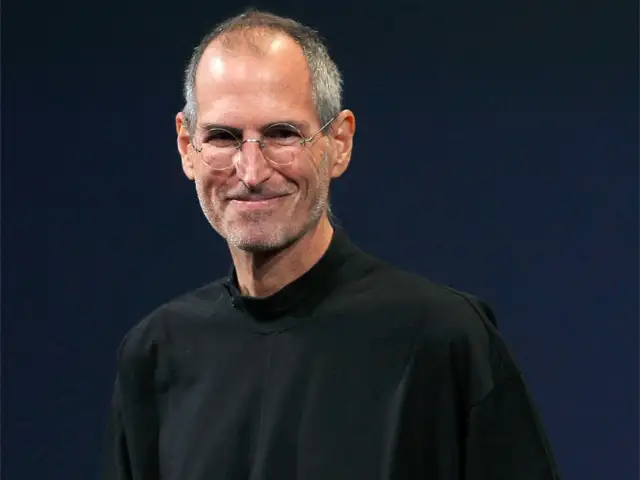
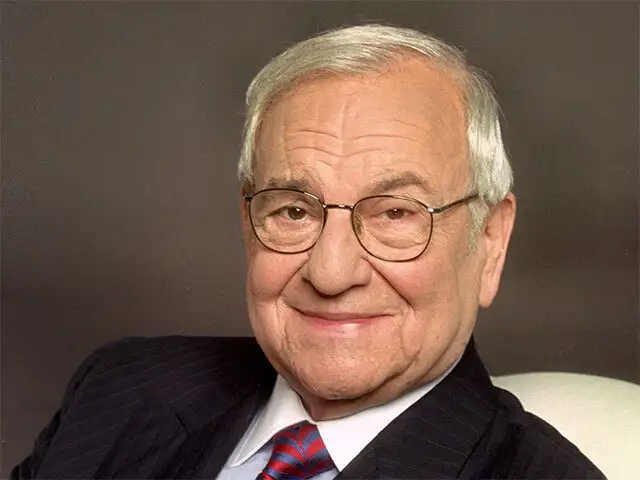
From Steve Jobs To Lee Iacocca, Business Heads Who Took Over The Wheel — And Steered — A Company Out Of Crisis
1/6
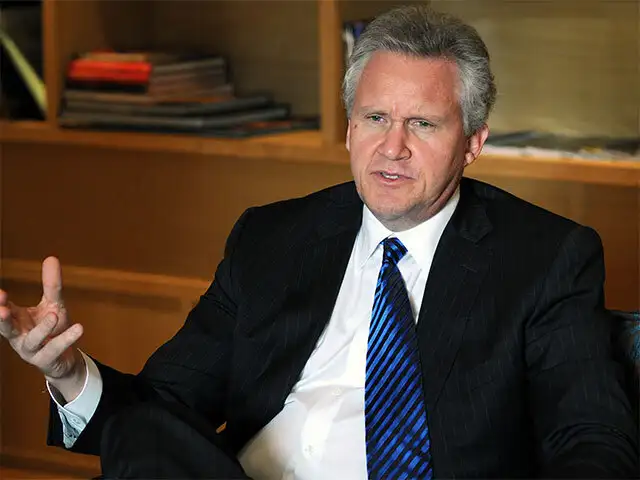
Before Dara Khosrowshahi took over, former General Electric chairman Jeff Immelt was leading the race to be Uber’s next CEO. Here are five business heads who took over the wheel — and steered — a company out of crisis.
Before Dara Khosrowshahi took over, former General Electric chairman Jeff Immelt was leading the race to be Uber’s next CEO. Here are five business heads who took over the wheel — and steered — a com..
Read More
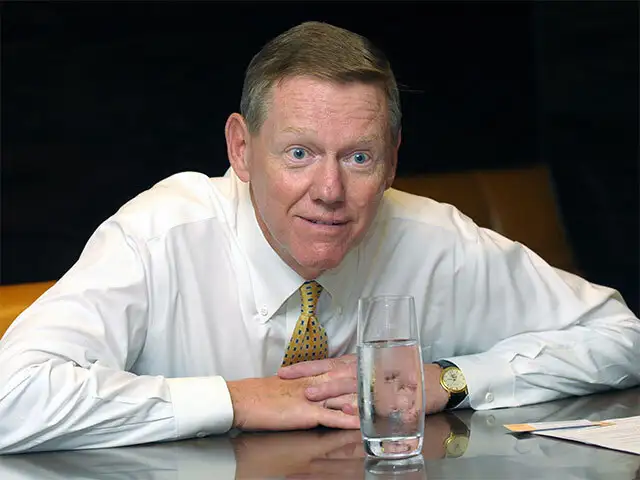
After many years at The Boeing Co., Mulally joined the troubled Ford Motors as the CEO in 2006. He took charge and was responsible for one of the biggest turnarounds in history. Not only did he make Ford Motors a profitable company, he also ensured that the stock price rose steadily and the employee morale stayed high. Mulally retired in July 2014 and joined the Google board of directors within a few weeks.
After many years at The Boeing Co., Mulally joined the troubled Ford Motors as the CEO in 2006. He took charge and was responsible for one of the biggest turnarounds in history. Not only did he make ..
Read More
After leaving Apple, Jobs returned to the company he founded as the interim CEO in 1996. At that point, Apple had completed a fiscal year in which it lost $1 billion on revenue of $7 billion. The company wasn’t doing as well as it was projected to and was worth about $4 billion, which was far lower than rivals HP and Dell. After taking over, Jobs streamlined the development projects Apple invested in and released iMac, iPhone, iPod and iTunes. Under his leadership, Apple stock grew over 9,000 per cent.
After leaving Apple, Jobs returned to the company he founded as the interim CEO in 1996. At that point, Apple had completed a fiscal year in which it lost $1 billion on revenue of $7 billion. The com..
Read More
Iacocca was fired from Ford Motors before he took up the Chrysler CEO position in 1979. He made a plea with the Congress and obtained a $1.5 billion federal loan for the company. By releasing new models such as the minivan, which became hugely popular, Chrysler managed to pay off the loans in three years. The company, almost on the verge of bankruptcy in 1979, became profitable in 1982 under Iacocca’s leadership. He retired in 1992.
Iacocca was fired from Ford Motors before he took up the Chrysler CEO position in 1979. He made a plea with the Congress and obtained a $1.5 billion federal loan for the company. By releasing new mod..
Read More
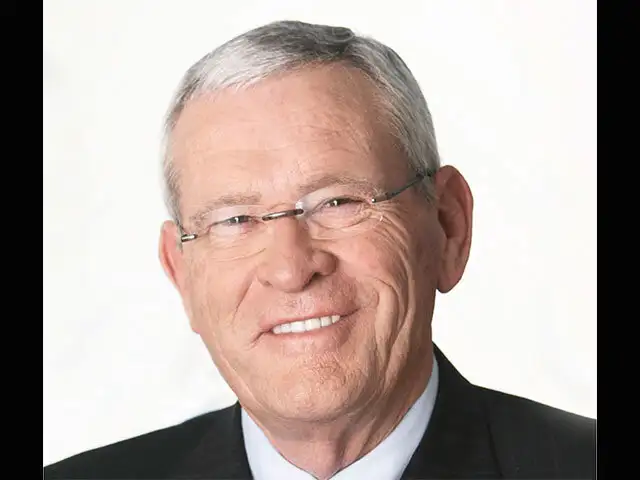
Whitacre was asked to helm General Motors after the company declared bankruptcy and received a bailout from the government in 2009. Whitacre, who was previously the CEO of AT&T, took on the role of CEO stating that he would leave after “returning GM to greatness”. Within 16 months of being the CEO, which included cutting on projects such as an alternative model of the Chevrolet Volt, GM launched a staggering IPO worth $23.1 billion. Whitacre resigned in 2010.

(Image: pacific.edu)
Whitacre was asked to helm General Motors after the company declared bankruptcy and received a bailout from the government in 2009. Whitacre, who was previously the CEO of AT&T, took on the role of C..
Read More
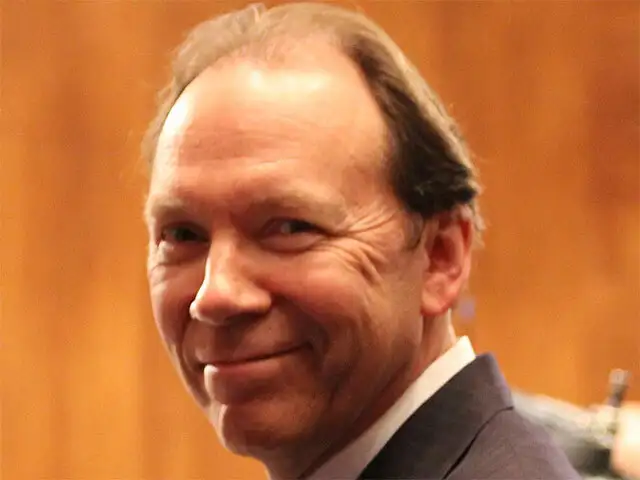
Hesse became the CEO of Sprint in 2007 and inherited a company that was reporting over $29.6 billion worth losses after a merger with Nextel communications. As the CEO, Hesse implemented new rate plans, which helped increase the company’s customer service ratings. After acquiring Virgin Mobile USA in 2009, Sprint began to turn around in 2010. As of 2012, Sprint’s reported revenue is $35.3 billion.

(Image: Wikipedia)
Hesse became the CEO of Sprint in 2007 and inherited a company that was reporting over $29.6 billion worth losses after a merger with Nextel communications. As the CEO, Hesse implemented new rate pla..
Read More

Download
The Economic Times Business News App
for the Latest News in Business, Sensex, Stock Market Updates & More.
READ MORE
ADVERTISEMENT

READ MORE:

LOGIN & CLAIM

50 TIMESPOINTS

Related Companies

More from our Partners

Loading next story
Business News › Magazines › Panache › Keeping up with changing times: Salil Parekh says empathy, vulnerability are critical; calls being a 'little paranoid' helpful
Text Size:AAA
Success
This article has been saved

*

+