Keeping humidity level around 40-60% in closed public spaces can curb spread of coronavirus
A relative humidity of 40-60% could reduce the spread of viruses through the nasal mucous membrane.
By PTI | Updated:
iStock
Social distancing, having as few people per room as possible, and wearing masks should also be practised to lower the risk of infection.
NEW DELHI: In addition to measures like social distancing and wearing masks, an Indian-German team of scientists recommend controlling indoor humidity conditions to contain the spread of the novel coronavirus which causes COVID-19.
The researchers, including those from CSIR National Physical Laboratory in New Delhi, said in order to contain the pandemic, it is extremely important to implement standards for indoor air humidity in rooms with many people, such as hospitals, open-plan offices, or public transport.
In their review of studies, published in the journal Aerosol and Air Quality Research, the scientists specifically drew focus on relative humidity, which is a measure of water vapour in the air compared to the total saturation of vapour that can exist in the air at its current temperature.
According to the study, a relative humidity of 40 to 60 percent could reduce the spread of viruses and their absorption through the nasal mucous membrane.
The scientists said tiny drops of five micrometres in diameter, such as those produced when speaking, can float in the air for up to nine minutes.
"In aerosol research, it has long been known that air humidity plays a major role -- The more humid the air is, the more water adheres to the particles and so they can grow faster. So, we were curious -- what studies have already been conducted on this," explained Ajit Ahlawat, a co-author of the study from the Leibniz Institute for Tropospheric Research (TROPOS) in Germany.
ADVERTISEMENT
According to the scientists, humidity affects the behaviour of microorganisms within the virus droplets, and the survival or inactivation of the virus on the surfaces.
They said it also influences the role of dry indoor air in the airborne transmission of viruses.
"If the relative humidity of indoor air is below 40 per cent, the particles emitted by infected people absorb less water, remain lighter, fly further through the room and are more likely to be inhaled by healthy people," Ahlawat explained.
"In addition, dry air also makes the mucous membranes in our noses dry and more permeable to viruses," he said.
ADVERTISEMENT
For countries in cool climates, the scientists recommend a minimum indoor humidity. The scientists believe the new findings are particularly important for the upcoming winter season in the northern hemisphere, when millions of people will be staying in heated rooms.
"Heating the fresh air also ensures that it dries. In cold and temperate climate zones, therefore, the indoor climate is usually very dry during the heating season. This could encourage the spread of coronaviruses," said study co-author Alfred Wiedensohler of TROPOS.
ADVERTISEMENT
At a higher humidity, the scientists said droplets grow faster, fall to the ground earlier, and can be inhaled less by healthy people.
"A humidity level of at least 40 per cent in public buildings and local transport would therefore not only reduce the effects of COVID-19, but also of other viral diseases such as seasonal flu. Authorities should include the humidity factor in future indoor guidelines," added study co-author Sumit Kumar Mishra of CSIR - National Physical Laboratory in New Delhi.
For countries in cool climates, the scientists recommend a minimum indoor humidity.
They said countries in tropical and hot climates, on the other hand, should take care that indoor rooms are not extremely undercooled by air conditioning systems.
When air is extremely cooled, it dries out the air and the particles in it, making people inside the room feel comfortable, but the dry particles will remain in the air for longer duration, the researchers warned.
They added that the measures already known, such as social distancing, having as few people per room as possible, and wearing masks should also be practised to lower the risk of infection.
Coronavirus Can Get Children Worried: Here's How To Have The Talk
1/7
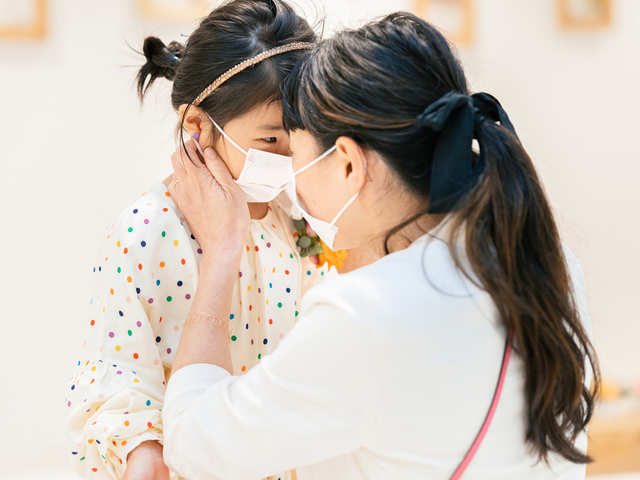
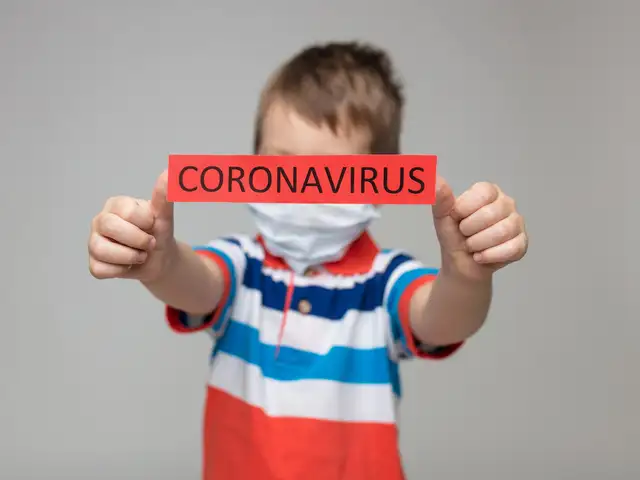
In the wake of coronavirus, several schools and colleges have been shut in many parts of the world to contain the spread of COVID-19. As public awareness and conversations around the novel virus increase, the situation can get the children anxious and worried for their family members and friends.
Parents, family members, teachers, healthcare professionals and trusted adults play a significant role in helping children make sense of what they hear in a way that is honest, accurate and minimise their fear or anxiety.
Dr Sreenath Manikanti, Senior Consultant Neonatologist & HOD Fortis La Femme Hospital, Richmond Road, Bangalore shares a few tips to help make the corona conversation easier around children.
In the wake of coronavirus, several schools and colleges have been shut in many parts of the world to contain the spread of COVID-19. As public awareness and conversations around the novel virus incr..
Read More
- Remember that children react to how and what things are said
- Children pick up cues from conversations you have with them and others
- Patiently listen to what they say, and allow them to ask questions
- Avoid using words that might blame others and lead to stigma
- Remember that the virus can make anyone sick. Avoid making assumptions about who might have COVID-19
- Pay attention to what children see, hear or read on television, radio or online
- Reduce the amount of screen time for children focused on COVID-19. Too much information on any one topic can lead to anxiety and worry
- Provide information to kids that is honest and accurate. Give information that is truthful and appropriate for the age and developmental level of the child
- Talk to children about how some stories on COVID-19 on the internet and social media may be based on rumours and inaccurate information
- Teach chilren everyday actions to reduce the spread of germs
- Stay calm and keep information simple
- Reassure children that health and school authorities are working very hard to keep everyone safe and healthy
- Teach dos and don'ts at home, schools and play areas
- Remember that children react to how and what things are said
- Children pick up cues from conversations you have with them and others
- Patiently listen to what they say, and allow them to ask qu..
Read More
- Stay 6 feet away from people who are coughing or sneezing or sick
- Cough or sneeze into a tissue or your elbow, and then throw the tissue into a closed bin
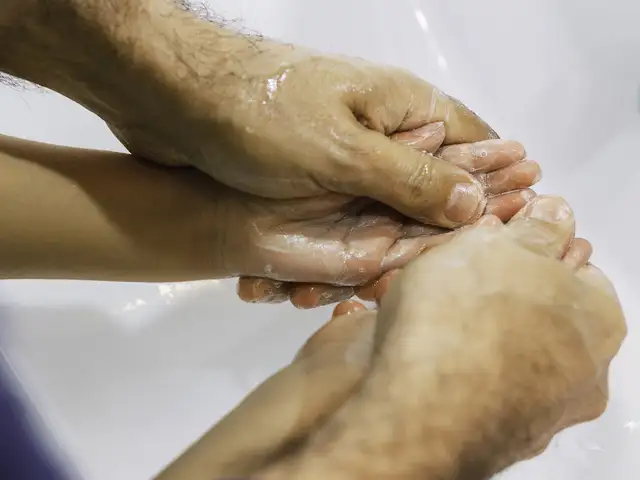
- Wash hands with soap and water for at least 20 seconds, especially after blowing nose, coughing or sneezing, after using restroom, and before eating or learning to prepare food
- If soap and water are not available, teach children to use hand sanitiser
- Stay 6 feet away from people who are coughing or sneezing or sick
- Cough or sneeze into a tissue or your elbow, and then throw the tissue into a closed bin
- Wash hands with soap and water for a..
Read More
- Avoid touching mouth, nose, eyes and face with unclean hands
- Avoid coughing or sneezing into hands
- Avoid crowded places
- Avoid touching surfaces in public places and play areas unnecessarily
- Avoid touching mouth, nose, eyes and face with unclean hands
- Avoid coughing or sneezing into hands
- Avoid crowded places
- Avoid touching surfaces in public places and play areas unnecessaril..
Read More
What is COVID-19?
- COVID-19 is the short name for 'coronavirus disease 2019'
- It is a new virus. Doctors are still learning more about it
- Recently, this virus has made a lot of people sick
- Doctors and scientists think that most people will be alright, especially kids, but some people might get very sick
- Doctors and experts are working hard to help people stay healthy
What is COVID-19?
- COVID-19 is the short name for 'coronavirus disease 2019'
- It is a new virus. Doctors are still learning more about it
- Recently, this virus has made a lot of people sick
- ..
Read More
- Practice healthy habits at home, school and play to help protect against the spread of COVID-19
- Cough or sneeze into a tissue or your elbow. If you sneeze or cough into a tissue, throw it in the dustbin right away
- Keep your hands out of your mouth, nose and eyes. This will help keep germs out of your body
- Wash your hands with soap and water for at least 20 seconds. If you don’t have soap and water, use hand sanitiser to clean the germs
- Keep things clean and hygienic
- If you have cough & fever, stay home. Just like you don’t want to get other people’s germs in your body, other people don’t want to get your germs either
- If you are old enough, you can help adults at home and school clean the things we touch the most like desks, doorknobs, light switches and remote controls
- Practice healthy habits at home, school and play to help protect against the spread of COVID-19
- Cough or sneeze into a tissue or your elbow. If you sneeze or cough into a tissue, throw it in the..
Read More
- COVID-19 can look different in different people. From what doctors have seen so far, most kids don’t seem to get very sick
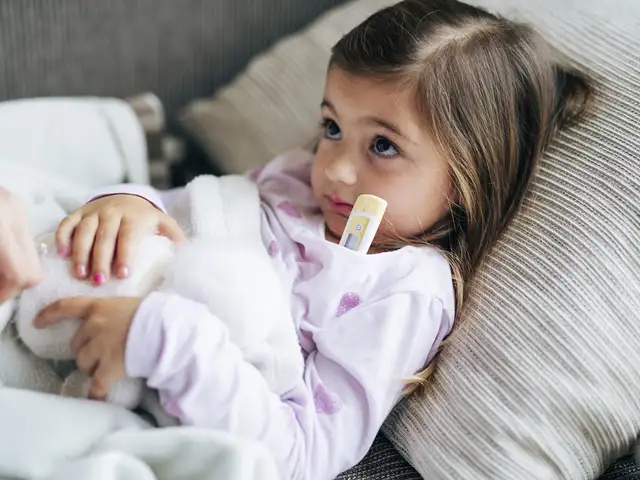
- Being sick with COVID-19 would be a little bit like having the flu. Children may get a fever, cough or have a hard time taking deep breaths
- Most people who have contracted COVID-19 don't get very sick. Only a small group of people who get it have had more serious problems
- If you suspect your child may have COVID-19, call Government of India helpline +91-11-23978046 or contact nearest healthcare facility to let them know before you bring your child in to see them
- COVID-19 can look different in different people. From what doctors have seen so far, most kids don’t seem to get very sick
- Being sick with COVID-19 would be a little bit like having the flu. Chi..