Keep windows open: Does the airflow inside the car affect Covid transmission risk?
Blasting the car's ventilation system doesn't circulate air as well as a few open windows.
By PTI |

iStock
BOSTON: Using computer simulations, scientists have analysed the airflow patterns inside a car's passenger cabin, shedding light on the potential ways to reduce the risk of COVID-19 transmission while sharing rides with others. The study, published in the journal Science Advances, assessed the airflow inside a compact car with various combinations of windows open or closed.
According to the researchers, including those from Brown University in the US, the simulations showed that opening windows created airflow patterns that dramatically reduced the concentration of airborne aerosol particles exchanged between a driver and a single passenger.
However, they said blasting the car's ventilation system didn't circulate air nearly as well as a few open windows.
"Driving around with the windows up and the air conditioning or heat on is definitely the worst scenario, according to our computer simulations," said Asimanshu Das, co-lead author of the research from Brown university.
"The best scenario we found was having all four windows open, but even having one or two open was far better than having them all closed," Das said.
While there's no way to eliminate risk completely, and current guidelines recommend postponing travel, the scientists said the goal of the study was simply to assess how changes in airflow inside a car may worsen or reduce risk of COVID-19 transmission.
In the research, the computer models simulated a car, loosely based on a Toyota Prius, with two people inside - a driver, and a passenger sitting in the back seat on the opposite side from the driver.
The scientists said they chose this seating arrangement since it maximised the physical distance between the two people.
Since the novel coronavirus is thought to spread via tiny aerosol particles that can linger in the air for extended periods of time, the researchers simulated airflow around and inside a car moving at 50 miles per hour.
Part of the reason opening windows is better in terms of aerosol transmission is because it increases the number of air changes per hour (ACH) inside the car that reduces the overall concentration of aerosols, the study noted.
The scientists showed that different combinations of open windows created different air currents inside the car that could either increase or decrease exposure to remaining aerosols.
Since the occupants in the simulations were sitting on opposite sides of the cabin, they said very few particles ended up being transferred between the two.
According to the research, the driver was at slightly higher risk than the passenger since the average airflow in the car goes from back to front, but added that both occupants experience a dramatically lower transfer of particles.
When some - but not all - windows were down, the study yielded counterintuitive results.
Citing an example of one such instance, the scientists said opening the windows next to each occupant carried a higher exposure risk, compared to putting down the window opposite each occupant.
"When the windows opposite the occupants are open, you get a flow that enters the car behind the driver, sweeps across the cabin behind the passenger and then goes out the passenger-side front window," said Kenny Breuer, a professor of engineering at Brown University and a senior author of the research.
"That pattern helps to reduce cross-contamination between the driver and passenger," Breuer said.
The scientists said airflow adjustments are no substitute for mask-wearing by both occupants when inside a car, adding that the findings are limited to potential exposure to lingering aerosols that may contain pathogens.
Citing another limitation of the study, the scientists said it did not model larger respiratory droplets or the risk of actually becoming infected by the virus.
However, they said the findings provide valuable new insights into air circulation patterns inside a car's passenger compartment.

According to the researchers, including those from Brown University in the US, the simulations showed that opening windows created airflow patterns that dramatically reduced the concentration of airborne aerosol particles exchanged between a driver and a single passenger.
However, they said blasting the car's ventilation system didn't circulate air nearly as well as a few open windows.
"Driving around with the windows up and the air conditioning or heat on is definitely the worst scenario, according to our computer simulations," said Asimanshu Das, co-lead author of the research from Brown university.
"The best scenario we found was having all four windows open, but even having one or two open was far better than having them all closed," Das said.
While there's no way to eliminate risk completely, and current guidelines recommend postponing travel, the scientists said the goal of the study was simply to assess how changes in airflow inside a car may worsen or reduce risk of COVID-19 transmission.
ADVERTISEMENT
In the research, the computer models simulated a car, loosely based on a Toyota Prius, with two people inside - a driver, and a passenger sitting in the back seat on the opposite side from the driver.
The scientists said they chose this seating arrangement since it maximised the physical distance between the two people.
Since the novel coronavirus is thought to spread via tiny aerosol particles that can linger in the air for extended periods of time, the researchers simulated airflow around and inside a car moving at 50 miles per hour.
Part of the reason opening windows is better in terms of aerosol transmission is because it increases the number of air changes per hour (ACH) inside the car that reduces the overall concentration of aerosols, the study noted.
ADVERTISEMENT
The scientists showed that different combinations of open windows created different air currents inside the car that could either increase or decrease exposure to remaining aerosols.
Since the occupants in the simulations were sitting on opposite sides of the cabin, they said very few particles ended up being transferred between the two.
ADVERTISEMENT
According to the research, the driver was at slightly higher risk than the passenger since the average airflow in the car goes from back to front, but added that both occupants experience a dramatically lower transfer of particles.
When some - but not all - windows were down, the study yielded counterintuitive results.
Citing an example of one such instance, the scientists said opening the windows next to each occupant carried a higher exposure risk, compared to putting down the window opposite each occupant.
"When the windows opposite the occupants are open, you get a flow that enters the car behind the driver, sweeps across the cabin behind the passenger and then goes out the passenger-side front window," said Kenny Breuer, a professor of engineering at Brown University and a senior author of the research.
"That pattern helps to reduce cross-contamination between the driver and passenger," Breuer said.
The scientists said airflow adjustments are no substitute for mask-wearing by both occupants when inside a car, adding that the findings are limited to potential exposure to lingering aerosols that may contain pathogens.
Citing another limitation of the study, the scientists said it did not model larger respiratory droplets or the risk of actually becoming infected by the virus.
However, they said the findings provide valuable new insights into air circulation patterns inside a car's passenger compartment.
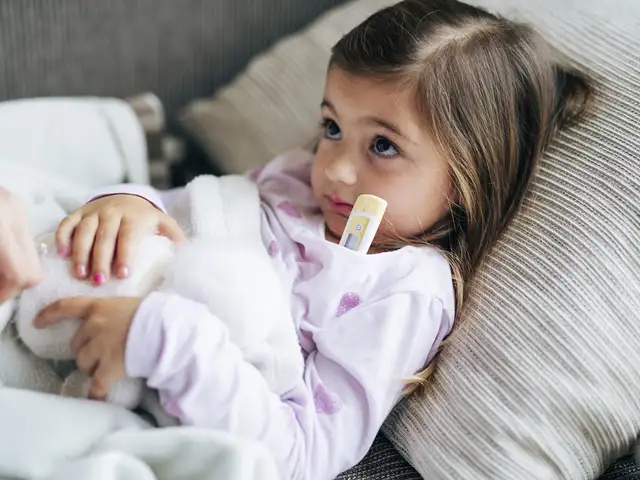
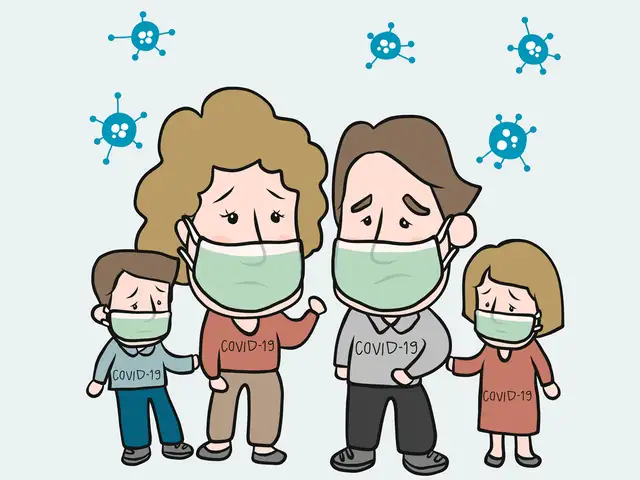
In the wake of coronavirus, several schools and colleges have been shut in many parts of the world to contain the spread of COVID-19. As public awareness and conversations around the novel virus increase, the situation can get the children anxious and worried for their family members and friends.
Parents, family members, teachers, healthcare professionals and trusted adults play a significant role in helping children make sense of what they hear in a way that is honest, accurate and minimise their fear or anxiety.
Dr Sreenath Manikanti, Senior Consultant Neonatologist & HOD Fortis La Femme Hospital, Richmond Road, Bangalore shares a few tips to help make the corona conversation easier around children.





Download
The Economic Times Business News App for the Latest News in Business, Sensex, Stock Market Updates & More.
The Economic Times Business News App for the Latest News in Business, Sensex, Stock Market Updates & More.
ADVERTISEMENT


