Keep type-2 diabetes at bay: Add bajra, jowar to your plate
A millets-based diet can help manage blood glucose levels.
By PTI |
iStock
The findings affirm that eating millets can lead to a better glycemic response.
HYDERABAD: A new study has shown that eating millets reduces the risk of developing type-2 diabetes and helps manage blood glucose levels. It indicated the need to have appropriate meals with millets for diabetic and pre-diabetics as well as for non- diabetics as a preventive approach to keep the disease at bay.
Based on research done in 11 countries, the study published in 'Frontiers in Nutrition' shows that diabetics who consumed millets as part of their daily diet saw their blood glucose levels drop 12-15 per cent (fasting and post- meal), and blood glucose levels declined from diabetes to pre-diabetes levels.
The HbA1c (blood glucose bound to hemoglobin) levels lowered on an average of 17 per cent in pre-diabetic individuals, and the levels went from pre-diabetic to normal status.
The findings affirm that eating millets can lead to a better glycemic response, the release said.
The authors reviewed 80 published studies of which 65 were eligible for a meta-analysis involving about 1,000 human subjects, making this analysis the largest systematic review on the topic till date, it said.
ADVERTISEMENT
No one knew there were so many scientific studies undertaken on millets effect on diabetes. These benefits were often contested, and this systematic review of the studies published in scientific journals has proven that millets keep blood glucose levels in check, reducing the risk of diabetes, and has shown just how well these smart foods do it, said S Anitha, the lead author of the study and a senior nutrition scientist at ICRISAT. India, China and the USA have the highest numbers of people with diabetes. Diabetes contributed to high disease burden from 1990- 2016 in the country. Diabetes-related health expenditure was over USD 7 million. There is no easy solution, and it requires a change in lifestyle, and diet is an important part of this," the release quoted Hemalatha, Director, National Institute of Nutrition (NIN), as saying.
"This study provides one part of the solution useful for individuals and governments. How we use this and implement it into programs needs careful planning," she said. According to the International Diabetes Association, diabetes is increasing in all regions of the world.
India, China and the USA have the highest numbers of people with diabetes. It had been said that Africa would see a rise of 143 per cent from 2019 to 2045, Middle-East and North Africa 96 per cent and South-East Asia 74 per cent, according to the release.
ADVERTISEMENT
The authors called for diversification of staple food with millets to keep diabetes in check, especially across Asia and Africa, it said.
Strengthening the case for returning millets as staple diet, the study found that millets have a low average glycemic index (GI) of 52.7, about 30 per cent lower glycemic index (GI) than milled rice and refined wheat, and about 14- 37 GI points lower compared to maize, it said.
ADVERTISEMENT
All 11 types of millets studied were either low (<55) or medium GI (55-69), GI being an indicator of how much and how soon a food increases blood sugar-level.
The review concluded that even after boiling, baking and steaming (most common ways of cooking grains) millets had lower GI than rice, wheat and maize, the release said.
The global health crisis of undernutrition and over- nutrition co-existing is a sign that our food systems need fixing. Greater diversity both on-farm and on-plate is the key to transforming food systems," said Jacqueline Hughes, Director-General, ICRISAT.
"On-farm diversity is a risk mitigating strategy for farmers in the face of climate change while on-plate diversity helps counter lifestyle diseases such as diabetes. Millets are part of the solution to mitigate the challenges associated with malnutrition, human health, natural resource degradation, and climate change," the Director-General said. Trans-disciplinary research involving multiple stakeholders is required to create resilient, sustainable and nutritious food systems, Hughes said.
The study is first in a series that has been worked on for the last four years as a part of the Smart Food initiative led by ICRISAT that would be progressively released in 2021.
It includes systematic reviews with meta-analyses of the impacts of millets on diabetes, anaemia and iron requirements, cholesterol and cardiovascular diseases and calcium deficiencies as well as a review on zinc levels, said Joanna Kane-Potaka, a co-author from ICRISAT and Executive Director of the Smart Food initiative.
"As part of this, ICRISAT and the Institute for Food Nutrition and Health at the University of Reading have formed a strategic partnership to research and promote the Smart Food vision of making our diets healthier, more sustainable on the environment and good for those who produce it, she said.
Want To Keep Diabetes Away? Eat Walnuts, Apples, Carrots
1/10
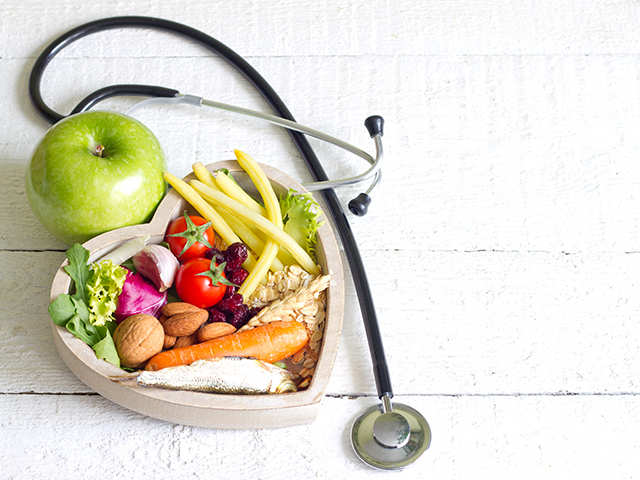
While being active, staying hydrated, and checking blood glucose levels can work wonders, it is important to stick to a dietary plan that will ward off diabetes in the long run.
A recent study showed that antioxidant-rich walnuts can nearly halve the risk of developing Type-2 diabetes.
For patients, the ideal diabetic diet plan would be to have 1200-1600 calories per day. It is recommended that diabetics should eat good carbs, fats, and healthy proteins, but in small portions.
Doctors and dieticians share ultimate list of foods you must consume to stay healthy.
While being active, staying hydrated, and checking blood glucose levels can work wonders, it is important to stick to a dietary plan that will ward off diabetes in the long run.A recent study showed ..
Read More
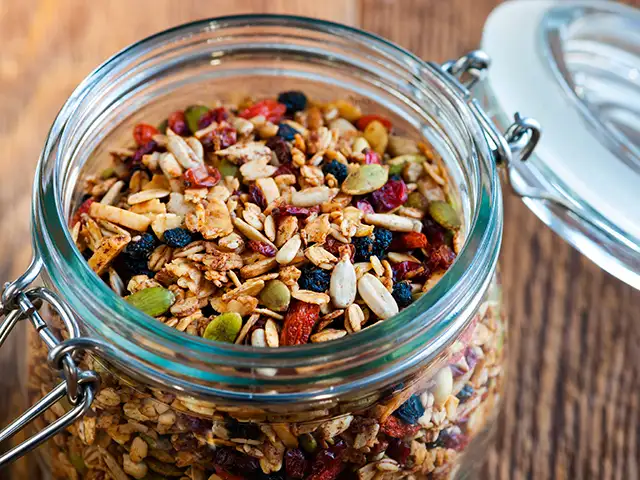
After news of walnuts as you new superfood to keep diabetes away, it's time to look at the other superhero nuts and seeds. They have protective effects for people with diabetes. Flaxseeds/linseeds, almonds, peanuts, pumpkin seeds, macadamia nuts, pistachios, cashew nuts, chia seeds, etc are the best nuts and seeds for diabetics as they reduce and regulate the insulin levels in the body.
After news of walnuts as you new superfood to keep diabetes away, it's time to look at the other superhero nuts and seeds. They have protective effects for people with diabetes. Flaxseeds/linseeds, ..
Read More
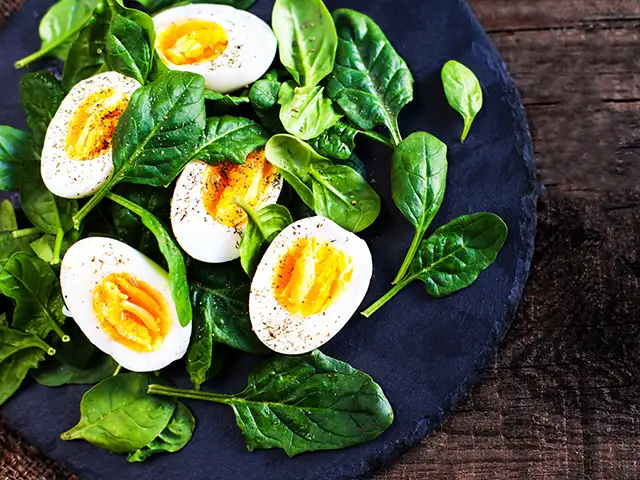
They are a good source of high biological value protein. Eggs have good cholesterol, also called as High Density Lipoprotein (HDL), which is good for heart health. Studies have shown that it improves insulin sensitivity. They give satiety and improve blood sugar levels.
They are a good source of high biological value protein. Eggs have good cholesterol, also called as High Density Lipoprotein (HDL), which is good for heart health. Studies have shown that it improve..
Read More
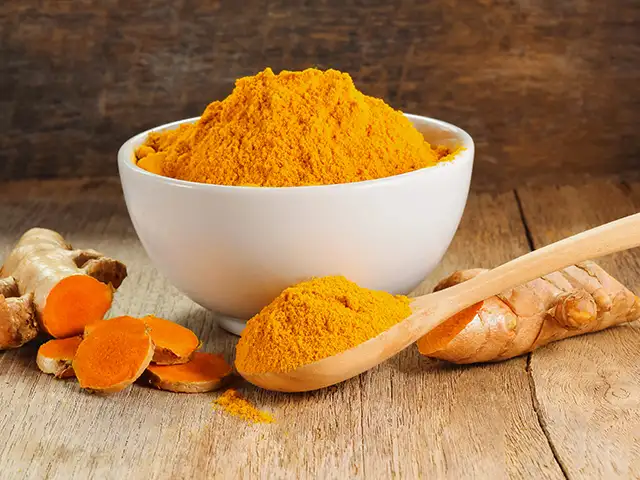
It has an active compound called curcumin which has shown to improve sugar, promote cardiovascular health, and protect against kidney diseases.
It has an active compound called curcumin which has shown to improve sugar, promote cardiovascular health, and protect against kidney diseases.
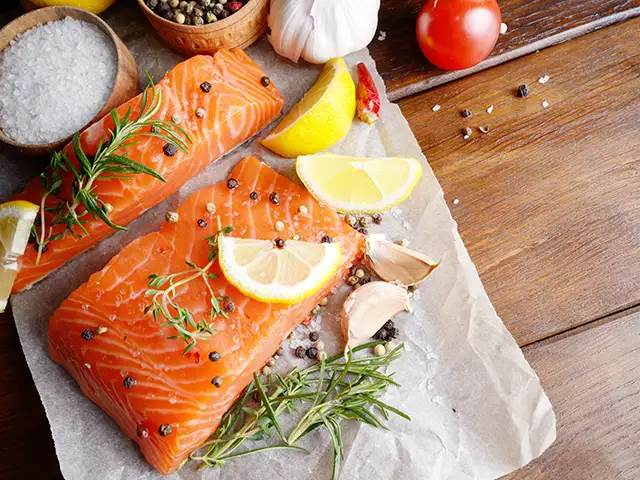
Salmon have excellent amount of Omega-3 fatty acids (DHA and EPA) which is good for diabetics. The patients need good fat in their diet, and fish reduce inflammation and coronary risks which are common in diabetes.
Salmon have excellent amount of Omega-3 fatty acids (DHA and EPA) which is good for diabetics. The patients need good fat in their diet, and fish reduce inflammation and coronary risks which are com..
Read More
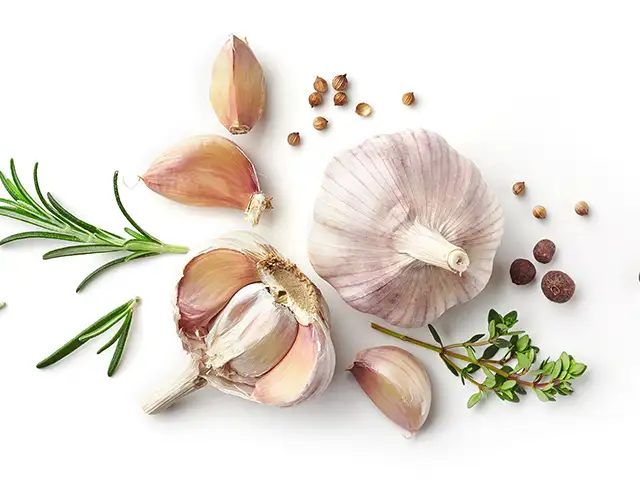
It improves blood sugars and blood pressure in diabetics. It's a herb with many great health benefits.
It improves blood sugars and blood pressure in diabetics. It's a herb with many great health benefits.
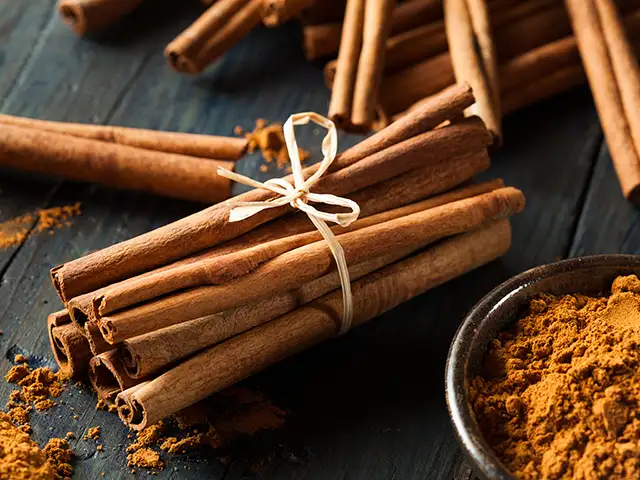
It's a potent antioxidant, and works like a hypoglycaemic drug. One should restrict consumption of cassia cinnamon which is poor variety and has coumarin. It is available in most grocery stores in India. If this variant is consumed in excess, it can have side effects. One should go for the Ceylon variant with less coumarin.
It's a potent antioxidant, and works like a hypoglycaemic drug. One should restrict consumption of cassia cinnamon which is poor variety and has coumarin. It is available in most grocery stores in I..
Read More
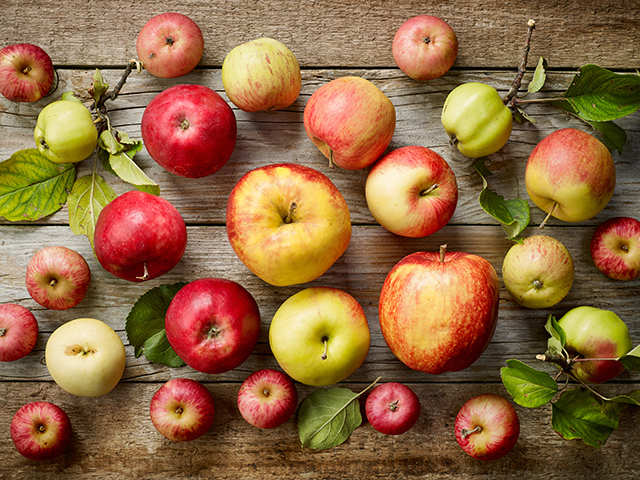
An apple a day keeps the doctor away! Apart from being great for your overall health, the natural-sugar in the fruit has a relatively low impact on the insulin and blood sugar levels in the body.
An apple a day keeps the doctor away! Apart from being great for your overall health, the natural-sugar in the fruit has a relatively low impact on the insulin and blood sugar levels in the body.
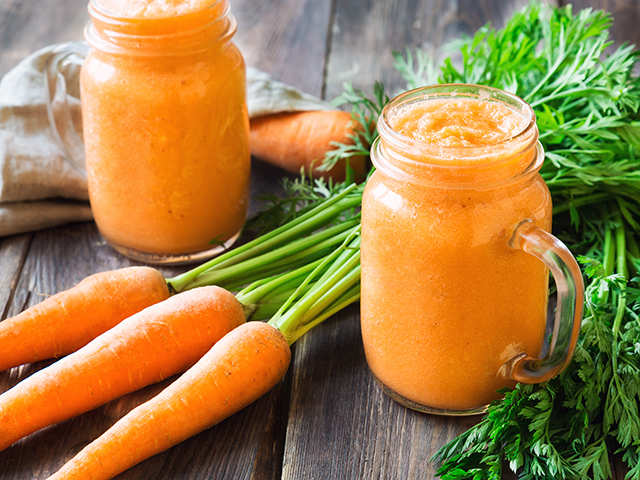
Diabetics can opt for carrots in their daily diet despite its sweet flavour as it can help manage blood glucose levels. Carrot juice may still contain sugar and carbohydrates, it won't spike the blood sugar levels.
Diabetics can opt for carrots in their daily diet despite its sweet flavour as it can help manage blood glucose levels. Carrot juice may still contain sugar and carbohydrates, it won't spike the bloo..
Read More
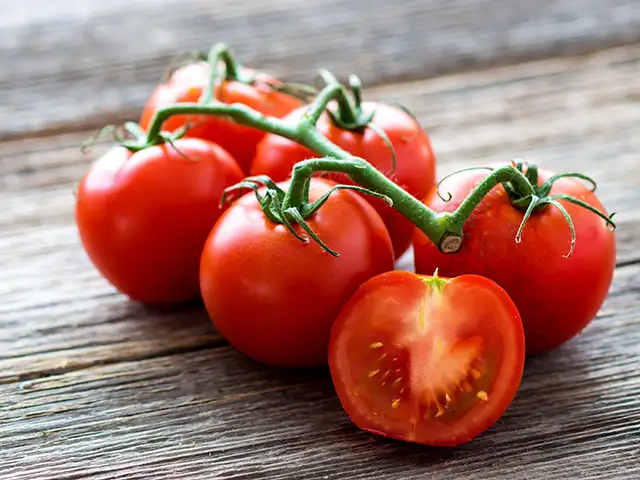
Whole tomatoes are low in carbohydrates. This fruit has minimal impact on blood sugars and is safe to consume for diabetics. Make sure you consume the fruit, and not the juice.
(Inputs from Dr Tejal Lathia, Consultant Endocrinologist, Hiranandani Hospital, Vashi - A Fortis Network Hospital; Dr Rohan Sequeira, Cardiometabolic Physician at Jaslok Hospital and Research Centre; Dr Mihir Raut, Consultant Physician & Diabetologist, Nanavati Super Speciality Hospital; Dietician Jasleen Kaur; and nutritionust Avni Kaul)
Whole tomatoes are low in carbohydrates. This fruit has minimal impact on blood sugars and is safe to consume for diabetics. Make sure you consume the fruit, and not the juice.
(Inputs from Dr Teja..