'Jumping gene' from plants is known to cause cancer and neurological disorders in humans
Cross-species transfers, even between plants and animals, have occurred frequently throughout evolution.
By PTI |
ThinkStock Photos
MELBOURNE: A 'jumping gene' known to cause cancer and neurological disorders may have been transferred to humans from plants, scientists say.
Scientists from University of Adelaide in Australia have shown that widespread transfer of genes between species has radically changed the genomes of today's mammals, and been an important driver of evolution.
In the world's largest study of so-called "jumping genes", researchers have traced two particular jumping genes across 759 species of plants, animals and fungi. These jumping genes are actually small pieces of DNA that can copy themselves throughout a genome and are known as transposable elements.
They have found that cross-species transfers, even between plants and animals, have occurred frequently throughout evolution.
Both of the transposable elements they traced - L1 and BovB - entered mammals as foreign DNA. This is the first time anyone has shown that the L1 element, important in humans, has jumped between species.
"Jumping genes, properly called retrotransposons, copy and paste themselves around genomes, and in genomes of other species. How they do this is not yet known although insects like ticks or mosquitoes or possibly viruses may be involved - it's still a big puzzle," said David Adelson, from the University of Adelaide.
ADVERTISEMENT
"This process is called horizontal transfer, differing from the normal parent-offspring transfer, and it's had an enormous impact on mammalian evolution," said Adelson. For example, 25 per cent of the genome of cows and sheep is derived from jumping genes.
"Think of a jumping gene as a parasite. What's in the DNA is not so important - it's the fact that they introduce themselves into other genomes and cause disruption of genes and how they are regulated," said Adelson.
The study, published in the journal Genome Biology, found horizontal gene transfer was much more widespread than had been thought.
ADVERTISEMENT
"L1 elements were thought to be inherited only from parent to offspring," said Atma Ivancevic, postdoctoral researcher at University of Adelaide.
"Most studies have only looked at a handful of species and found no evidence of transfer. We looked at as many species as we could," said Ivancevic.
ADVERTISEMENT
L1 elements in humans have been associated with cancer and neurological disorders. Understanding the inheritance of this element is important for understanding the evolution of diseases, researchers said.
They found L1s are abundant in plants and animals, although only appearing sporadically in fungi. However, the most surprising result was the lack of L1s in two key mammal species - the Australian monotremes (platypus and echidna) - showing that the gene entered the mammalian evolutionary pathway after the divergence from monotremes.
"We think the entry of L1s into the mammalian genome was a key driver of the rapid evolution of mammals over the past 100 million years," said Adelson.
The team also looked at the transfer of BovB elements between species. BovB is a much younger jumping gene: it was first discovered in cows, but has since been shown to jump between a bizarre array of animals including reptiles, elephants and marsupials.
Previous research, led by Adelson, found that ticks were the most likely facilitators of cross-species BovB transfer.
The team believes that studying insect species will help find more evidence of cross-species transfer. They also aim to study other jumping genes and explore the possibility of aquatic vectors, such as sea worms and nematodes.
Keep Cancer At Bay: Eat Garlic, Turmeric And Other Anti-Carcinogenic Foods
While one can never be sure what can trigger the onset of this deadly disease, it is important to take necessary precautions to stay safe. There are certain food items that have anti-carcinogenic properties, and can help in keeping cancer at bay.
These herbs and spices from your kitchen cabinet can boost your immune system to keep the deadly disease at bay.
Dr Manoj Kutteri, Director of Atmantan Wellness Centre, shares a list of ingredients that can help your fight the illness.
Bollywood actress Sonali Bendre has been undergoing treatment in New York after being diagnosed with metastatic cancer.
While one can never be sure what can trigger the onset of this deadly disea..
Read More
A number of studies have shown that curcumin (yellow chemical compound in turmeric) has got anti-cancerous properties. It has the ability to kill cancer cells and prevent more from growing. Curcumin inhibit growth of various cancer cells in bone, breast, brain, colon, stomach, bladder, kidney, prostate and ovary. It can also kill the cancer cells by apoptosis (a programmed cell death).
A number of studies have shown that curcumin (yellow chemical compound in turmeric) has got anti-cancerous properties. It has the ability to kill cancer cells and prevent more from growing. Curcumin ..
Read More
Ginger has been considered ten thousand times more powerful than chemotherapy for the treatment of cancer. It is an anti-oxidant and a natural cancer fighter. The active compounds 6-gingerol and 6-shogaol exhibit anti-cancer properties against the gastrointestinal tract and helps in cancer cell death.
Ginger has been considered ten thousand times more powerful than chemotherapy for the treatment of cancer. It is an anti-oxidant and a natural cancer fighter. The active compounds 6-gingerol and 6-sh..
Read More
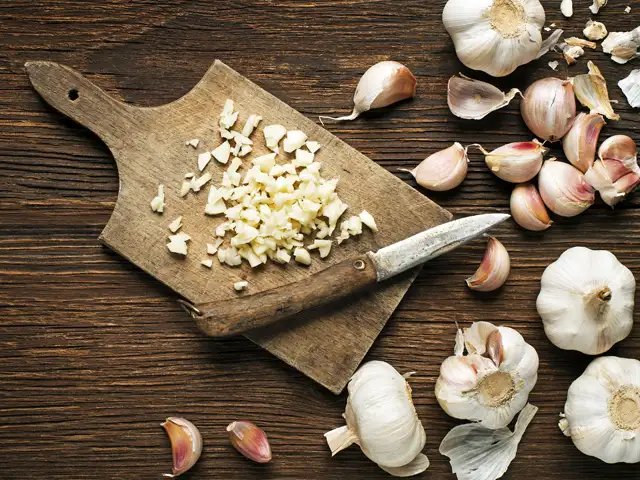
Garlic is another most important spice that is used in treating cancer. It has the ability to inhibit the production of cancer-causing properties, speed up the repairing process of DNA and to decelerate the proliferation of cancer cells.
Garlic is another most important spice that is used in treating cancer. It has the ability to inhibit the production of cancer-causing properties, speed up the repairing process of DNA and to deceler..
Read More
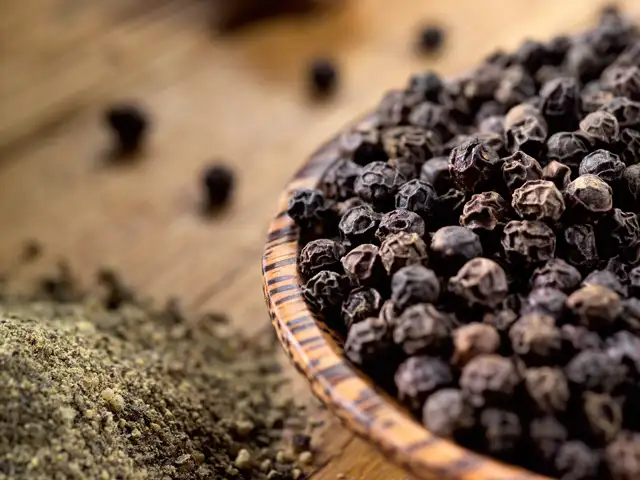
Black pepper contains anti-oxidant piperine. A study conducted in Michigan's cancer institute concluded that the black pepper along with turmeric can prevent the growth of cancerous stem cells in breast tumours.
Black pepper contains anti-oxidant piperine. A study conducted in Michigan's cancer institute concluded that the black pepper along with turmeric can prevent the growth of cancerous stem cells in bre..
Read More
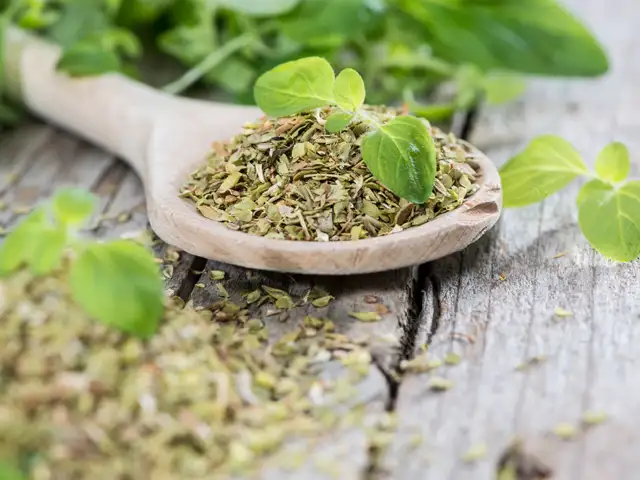
This aromatic herb used inn pizzas contain an active ingredient known as carvacrol, which is proven to be beneficial in treating prostate cancers. The oregano oil has the ability to selectively kill the cancer cells while leaving the healthy cells intact.
This aromatic herb used inn pizzas contain an active ingredient known as carvacrol, which is proven to be beneficial in treating prostate cancers. The oregano oil has the ability to selectively kill ..