Is it safe to go swimming in the pool now? Here's what you should keep in mind

Pool disinfectants like chlorine should also kill the virus, providing a layer of protection.

AFP
According to the U.S. Centers for Disease Control and Prevention, there is no evidence that the virus that causes COVID-19 can spread from person to person in water in pools, hot tubs, oceans or lakes.
WASHINGTON: Is it safe to swim at a beach or pool during the coronavirus pandemic? Health officials say it can be safe, as long as swimmers stick to social distancing guidelines in and out of the water.

According to the U.S. Centers for Disease Control and Prevention, there is no evidence that the virus that causes COVID-19 can spread from person to person in water in pools, hot tubs, oceans or lakes.

Pool disinfectants like chlorine should also kill the virus, providing another layer of protection.


But crowds still pose a risk. That's why communities that are reopening pools and beaches are instituting temporary rules limiting capacity and requiring facial masks.

Health authorities say people heading to the beach or pool this summer should follow the same advice for anyone in public: stay at least six feet from people you don't live with, wear a facial covering around others, wash your hands frequently and stay home if you're not feeling well.

Keeping Your Phone Clean, And Safe, In The Time Of Coronavirus
1/5

Holding hands, an affectionate gesture with romantic undertones, has become taboo in the time of the coronavirus. Handshakes, too, have been outlawed in the boardroom as well as stadiums - and after closing a deal, folks now pick up their phones and send each other formal emails.

Lovers in parks sit on benches, their hands skidding across smartphone screens, sending emoji-laced messages. However, exercising one’s primary tactile organs to communicate through gestures might not be as dangerous as using a mobile phone.
Holding hands, an affectionate gesture with romantic undertones, has become taboo in the time of the coronavirus. Handshakes, too, have been outlawed in the boardroom as well as stadiums - and after ..
Read More

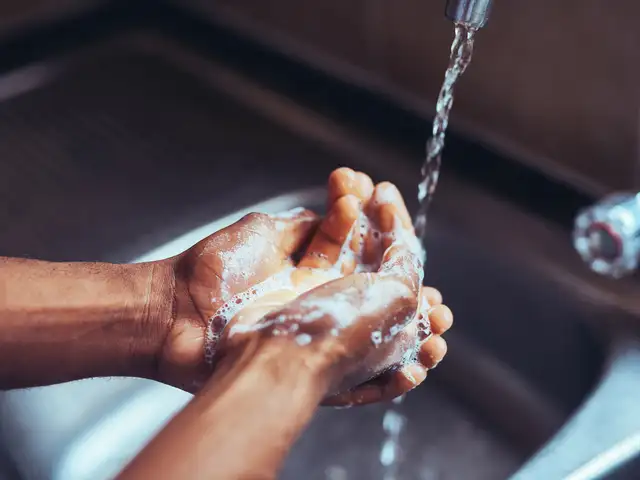
The World Health Organization has explained how people should wash their hands to safeguard against infection and to prevent the spread of the coronavirus. However, the benefits of smearing hands with sanitizers is an exercise in futility if people then pick up their phones and expose themselves to germs all over again.

The World Health Organization has explained how people should wash their hands to safeguard against infection and to prevent the spread of the coronavirus. However, the benefits of smearing hands wit..
Read More

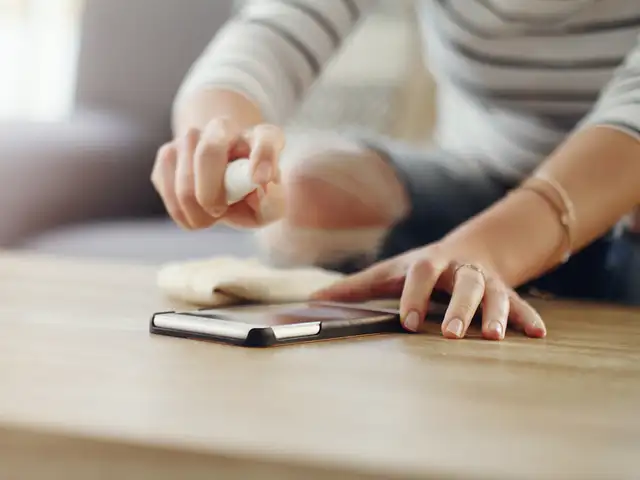
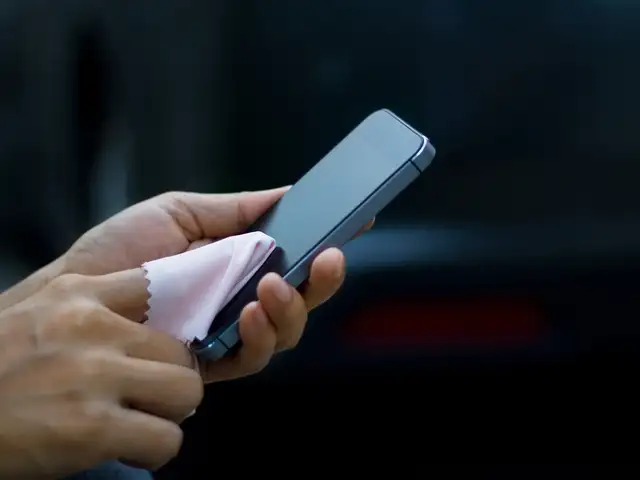
Phone screens are a hotbed of different types of germs. Phone hygiene, therefore, becomes an imperative to ward off contagious germs. Apple recommends using felt cloth, the type used to clean spectacles.

The iPhone 7 and upwards, which are water-resistant, can be cleaned using a cloth dabbed with soapy water, as long as the different orifices of the devices are covered. Other manufacturers do not specify water-tolerance, but most new models are partially resistant to fluids, meaning that cleaning your phone display with a wet cloth is the least you could do.

Phone screens are a hotbed of different types of germs. Phone hygiene, therefore, becomes an imperative to ward off contagious germs. Apple recommends using felt cloth, the type used to clean spectac..
Read More

Samsung and Apple advise against using cleaning fluids as they could potentially damage fingerprint-resistant coatings on their screens. Some new phones have in-display fingerprint sensors which make the task of cleaning your phone more complex. However, this could be remedied by using a screen protector, which in turn, could be wiped clean using diluted alcohol.

The back and sides of the phone should also be cleaned thoroughly. Germs will invariably accumulate on phone screens. The best possible remedy seems to be washing one’s hands before and after touching one’s phone, especially when in public spaces or commuting to work.

Samsung and Apple advise against using cleaning fluids as they could potentially damage fingerprint-resistant coatings on their screens. Some new phones have in-display fingerprint sensors which make..
Read More

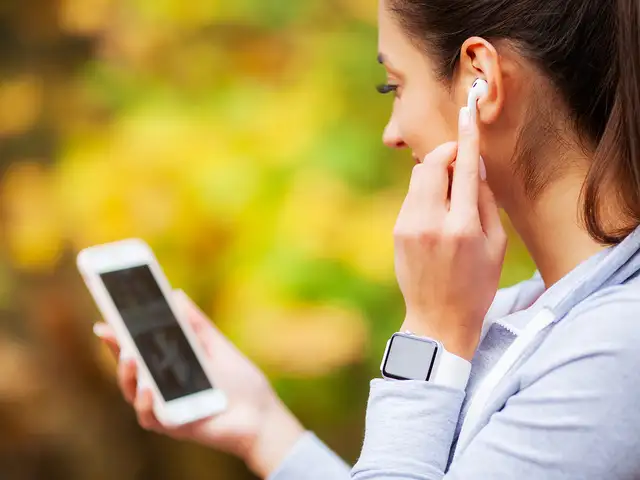
Users given to making a lot of phone calls are advised to use headphones or Bluetooth earphones to prevent the germs on phone screens from coming in contact with their faces. Bluetooth earphones aren’t germ-proof either, but their exteriors can be cleaned with cotton swabs dipped in antiseptic fluids or isopropyl alcohol.

Be careful to not get any inside your audio device as it could damage the circuitry. Boozy headphones can make one grin from ear to ear.

Users given to making a lot of phone calls are advised to use headphones or Bluetooth earphones to prevent the germs on phone screens from coming in contact with their faces. Bluetooth earphones aren..
Read More

ADVERTISEMENT
Download
The Economic Times Business News App
for the Latest News in Business, Sensex, Stock Market Updates & More.
READ MORE
ADVERTISEMENT

READ MORE:

LOGIN & CLAIM

50 TIMESPOINTS

More from our Partners

Loading next story
Business News › Magazines › Panache › Is it safe to go swimming in the pool now? Here's what you should keep in mind
Text Size:AAA
Success
This article has been saved

*

+