In planes and SUVs, world's richest 1% produced twice as much CO2 emissions as poorest half of humanity
The richest 10% accounted for 52% of emissions between 1990 and 2015.
By Reuters | Updated:

iStock
LONDON: Prone to frequent flying, a passion for SUVs and big spending, the richest 1% of the world's population produced twice as many planet-heating emissions as the poorest half of humanity over the last quarter-century, researchers said on Monday.
That excessive consumption has left little room in the world's "carbon budget" for poorer countries to grow without pushing the planet into increasingly dangerous climate impacts, from worsening storms to water shortages, scientists said.
And it suggests that keeping global climate change under control will require not just helping poorer countries to develop cleanly, but putting in place tough measures to curb over-consumption by the world's rich, they said in a new study.
Tim Gore, head of climate policy for anti-poverty charity Oxfam and lead author of the report, said change would not come from individuals voluntarily acting alone.
"That will never add up. This has to be driven by governments," he told the Thomson Reuters Foundation.
The research, carried out with the Stockholm Environment Institute, found that over the 25 years between 1990 and 2015, the richest 1% of people drove 15% of climate-changing emissions - more than twice the 7% emitted by the poorest half.
The richest 10% accounted for 52% of emissions over that period, the study said.
The growing popularity of fuel-guzzling SUVs was a particular problem, with the vehicles emerging as the second biggest driver of global growth in carbon emissions between 2010 and 2018, it said.
As countries now look to recover from economic downturns linked to the COVID-19 pandemic, which have hit the poor hardest, revamping economic incentives to discourage excessive consumption could play a role, officials said.
"Our current economic model has been an enabler of catastrophic climate change and equally catastrophic inequality," said former United Nations Secretary-General Ban Ki-moon.
The pandemic offers a chance to rethink systems - and "addressing the disproportionate carbon emissions from the wealthiest in society must be a key priority as part of this collective commitment", he added in a statement.
Still, the scale of the emissions cuts needed by the wealthy to hold planetary heating to 1.5 degrees Celsius above pre-industrial times - the toughest goal of the 2015 Paris Agreement - is breathtaking.
The Oxfam report estimates that the richest 10% of people would have to slash their emissions to about 10 times lower than now to keep the world on track for the goal - and do it by 2030.
But with the onset of the coronavirus crisis, as well as growing demands for racial and social justice, "policies that were unthinkable a year ago are now being rolled out", Gore said. "This is the moment to be bold and do things differently."
Business travel, for instance, has shrunk dramatically during the pandemic, offering "a huge opportunity" to tax business-class flights, as well as private jets and frequent fliers - a move supported by a British citizens' climate panel.
Funds raised through such levies could be used to support the poorest, by investing in healthcare and education, or to boost public transport, digital infrastructure and other measures to make low-carbon living easier, researchers said.
France has already introduced tougher taxes on SUVs, Gore noted, while some governments like New Zealand and Scotland are shifting away from economic growth as the main measure of success toward a broader assessment of "well-being".
And using bailout cash for energy-smart home retrofits - something that can slash emissions, improve life for the poorest and create jobs - would address two challenges at once.
"We have to tackle deep-rooted problems of inequality alongside problems like climate change," he said.
That excessive consumption has left little room in the world's "carbon budget" for poorer countries to grow without pushing the planet into increasingly dangerous climate impacts, from worsening storms to water shortages, scientists said.
And it suggests that keeping global climate change under control will require not just helping poorer countries to develop cleanly, but putting in place tough measures to curb over-consumption by the world's rich, they said in a new study.
Tim Gore, head of climate policy for anti-poverty charity Oxfam and lead author of the report, said change would not come from individuals voluntarily acting alone.
"That will never add up. This has to be driven by governments," he told the Thomson Reuters Foundation.
The research, carried out with the Stockholm Environment Institute, found that over the 25 years between 1990 and 2015, the richest 1% of people drove 15% of climate-changing emissions - more than twice the 7% emitted by the poorest half.
ADVERTISEMENT
The richest 10% accounted for 52% of emissions over that period, the study said.
The growing popularity of fuel-guzzling SUVs was a particular problem, with the vehicles emerging as the second biggest driver of global growth in carbon emissions between 2010 and 2018, it said.
As countries now look to recover from economic downturns linked to the COVID-19 pandemic, which have hit the poor hardest, revamping economic incentives to discourage excessive consumption could play a role, officials said.
"Our current economic model has been an enabler of catastrophic climate change and equally catastrophic inequality," said former United Nations Secretary-General Ban Ki-moon.
ADVERTISEMENT
The pandemic offers a chance to rethink systems - and "addressing the disproportionate carbon emissions from the wealthiest in society must be a key priority as part of this collective commitment", he added in a statement.
Still, the scale of the emissions cuts needed by the wealthy to hold planetary heating to 1.5 degrees Celsius above pre-industrial times - the toughest goal of the 2015 Paris Agreement - is breathtaking.
ADVERTISEMENT
The Oxfam report estimates that the richest 10% of people would have to slash their emissions to about 10 times lower than now to keep the world on track for the goal - and do it by 2030.
But with the onset of the coronavirus crisis, as well as growing demands for racial and social justice, "policies that were unthinkable a year ago are now being rolled out", Gore said. "This is the moment to be bold and do things differently."
Business travel, for instance, has shrunk dramatically during the pandemic, offering "a huge opportunity" to tax business-class flights, as well as private jets and frequent fliers - a move supported by a British citizens' climate panel.
Funds raised through such levies could be used to support the poorest, by investing in healthcare and education, or to boost public transport, digital infrastructure and other measures to make low-carbon living easier, researchers said.
France has already introduced tougher taxes on SUVs, Gore noted, while some governments like New Zealand and Scotland are shifting away from economic growth as the main measure of success toward a broader assessment of "well-being".
And using bailout cash for energy-smart home retrofits - something that can slash emissions, improve life for the poorest and create jobs - would address two challenges at once.
"We have to tackle deep-rooted problems of inequality alongside problems like climate change," he said.
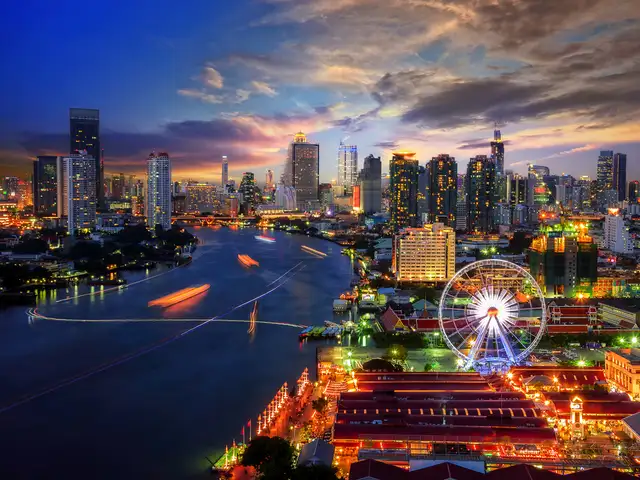
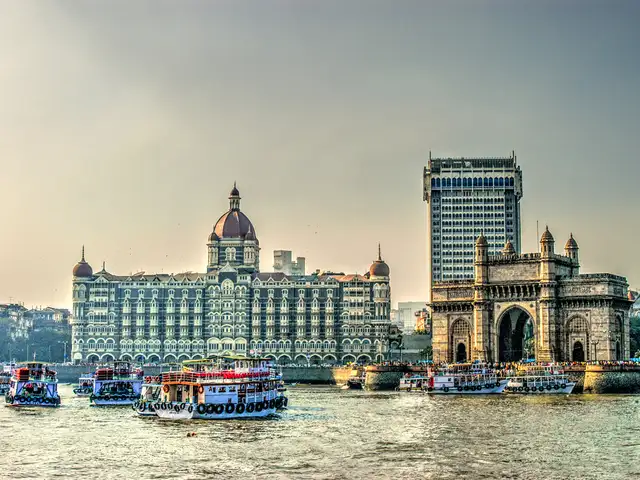
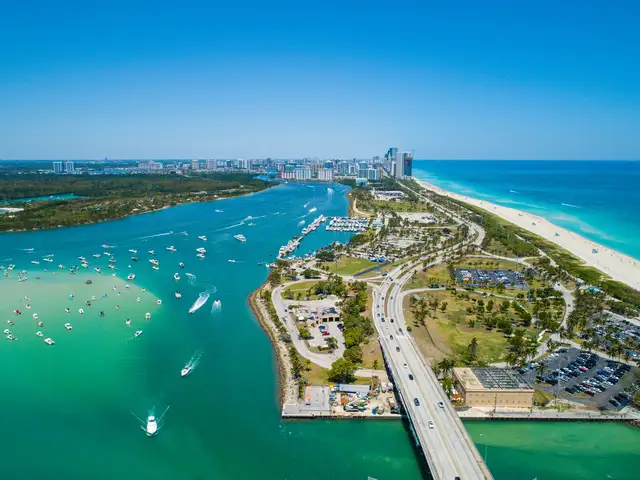
As climate change tightens its hold over the planet, rising water levels are a major concern. These six cities are at most risk.
(In Pic: Mumbai)

Download
The Economic Times Business News App for the Latest News in Business, Sensex, Stock Market Updates & More.
The Economic Times Business News App for the Latest News in Business, Sensex, Stock Market Updates & More.
ADVERTISEMENT


