How insulin therapy is proving to be a boon for type-1 diabetics
However, improper choice of injection site, technique including reuse of needles might lead to compromised outcomes.
By ET CONTRIBUTORS |

Getty Images
India’s disease burden is shifting. Due to pollution and unhealthy diets and lifestyle, a large number of the population is now suffering from non-communicable diseases (NCDs). Of these, diabetes is of epidemic proportions.
As per the recent National Health Profile (NHP), 2018, the incidence of diabetes increased by 128% to more than 30 lakh cases during 2017, compared to 13.2 lakh diagnosed in 2016. This data is the result of the massive population-based screening programmes for common NCDs including diabetes undertaken by the Ministry of Health and Family Welfare, along with state health departments. These screening programmes clearly indicate that a larger pool of people living with diabetes would now be identified at an early stage and brought into the treatment network.
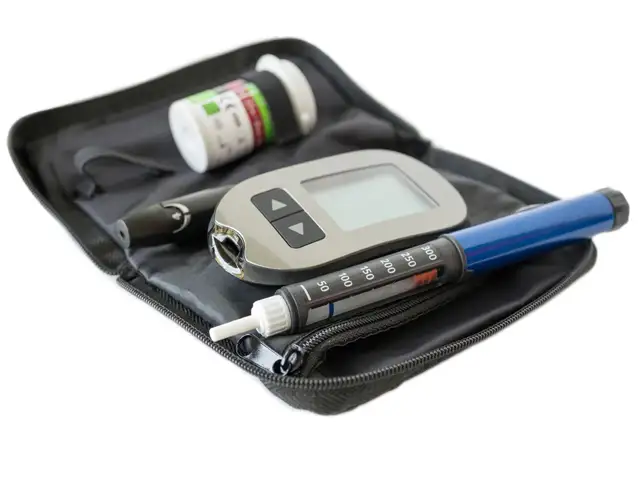
Insulin therapy is recommended for all patients with type-1 diabetes and on a case-to-case basis for type-2 diabetes. Only 1% of people with diabetes require insulin therapy. Over the years, there has been an increased emphasis on optimal insulin therapy and blood glucose control in these patients. However, it is important to understand that to maintain appropriate glucose levels, insulin injection technique is as important as the type and dose of insulin delivered. Improper choice of the injection site and technique including reuse of injection needles might lead to compromised outcomes.

REUSE RAMPANT
Insulin injections are intended for single use, but a significant number of diabetic patients reuse needles. In our interactions with patients, we find that more than 50% of them agree that needles should not be reused, but they still do not adopt safe practices. This is backed by a global study, called injection technique questionnaire (ITQ) survey, in which 1,011 Indian patients also participated. The study revealed that 86% of the survey participants reused needles (pen/syringe) at least three to five times. It was also revealed that over half of them reused needles more than six times. This extensive study led to the charting out of FITTER recommendations — Forum for Injection Technique and Therapy: Expert Recommendations — an all-inclusive evidence-based best practice information. Putting emphasis on accurate insulin management, it highlights the perils of reusing insulin injections, among others.
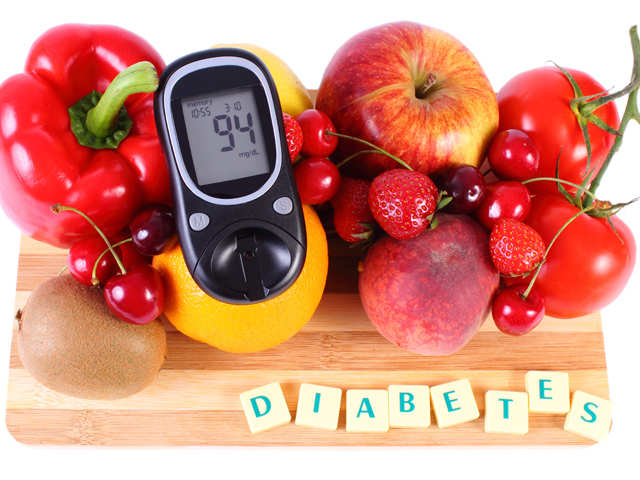
The life you lead and the food you eat are two important factors when it comes to diabetes. Both play a role for those who are already battling it and for those who remain vulnerable to it.
Whole foods that are not processed should always be on the menu. But also remember that some items have to be away from the dining table if you want to steer clear of diabetes.
Additionally, avoid special diets and stick to what you make at home. Just follow the basic rules like keeping a constant calorie count during meals.
THE DANGERS
Reuse of insulin injection devices exposes patients to needlestick injuries (NSI) and bloodborne diseases, and can increase the risk of:
Lipohypertrophy: This is a condition that results in fatty lumps on the skin surface and can affect the rate of insulin absorption in the body. Greater needle reuse is often associated with higher incidences of lipohypertrophy.
Bacterial growth: The bacteria found on the needles are naturally present on the skin and every subsequent reuse could increase the risk of contamination of more harmful bacteria.
Tissue injury: Today, we have progressed from using thicker and longer needles to finer and shorter needles, which have proved to be more efficient. Every additional use of the fine needles causes damage to the tip, leading to their blunting and bending. This might not be visible to the naked eye; however, the bent or the blunt needle results in bruising of the subcutaneous tissue, which might cause pain while withdrawing the needle. Further, more the use of the same needle, the larger is the risk of tissue injury.
Breakage of the needle tip: Constant reuse of the insulin syringe leads to the tip of the needle being broken into small pieces which might end up remaining in the patient.

If you have already been diagnosed with diabetes, here are 10 things to keep in mind when you travel by air.
RIGHT TECHNIQUES IMPORTANT
Given these potential risks, it becomes essential to adhere to standards that promote appropriate insulin injection techniques. . In this regard, the FITTER recommendations include guidelines for standardising insulin practice and helping patients overcome the challenges that they might face in management and administration of insulin injection. Moreover, adhering to NABH’s standard on infection control — ‘One Needle, One Syringe and One time’ — would be beneficial. Healthcare professionals must create awareness among patients regarding the adverse effects of needle reuse.
Clearly, the correct insulin technique is the cornerstone of ensuring optimal insulin therapy. Diabetes management is a long-term commitment and the healthcare fraternity and patients would have to work hand in hand to adhere to result-oriented best practices. It is only through a collective and effective implementation of the recommendations that a positive and constructive shift in attitudes can be brought about.
—The writer is Director-Endocrinology, Diabetes & Obesity, Max Health Care, New Delhi.
As per the recent National Health Profile (NHP), 2018, the incidence of diabetes increased by 128% to more than 30 lakh cases during 2017, compared to 13.2 lakh diagnosed in 2016. This data is the result of the massive population-based screening programmes for common NCDs including diabetes undertaken by the Ministry of Health and Family Welfare, along with state health departments. These screening programmes clearly indicate that a larger pool of people living with diabetes would now be identified at an early stage and brought into the treatment network.
Insulin therapy is recommended for all patients with type-1 diabetes and on a case-to-case basis for type-2 diabetes. Only 1% of people with diabetes require insulin therapy. Over the years, there has been an increased emphasis on optimal insulin therapy and blood glucose control in these patients. However, it is important to understand that to maintain appropriate glucose levels, insulin injection technique is as important as the type and dose of insulin delivered. Improper choice of the injection site and technique including reuse of injection needles might lead to compromised outcomes.
While being active, staying hydrated, and checking blood glucose levels can work wonders, it is important to stick to a dietary plan that will ward off diabetes in the long run.
A recent study showed that antioxidant-rich walnuts can nearly halve the risk of developing Type-2 diabetes.
For patients, the ideal diabetic diet plan would be to have 1200-1600 calories per day. It is recommended that diabetics should eat good carbs, fats, and healthy proteins, but in small portions.
Doctors and dieticians share ultimate list of foods you must consume to stay healthy.
Also read: The comprehensive diabetes guide









REUSE RAMPANT
Insulin injections are intended for single use, but a significant number of diabetic patients reuse needles. In our interactions with patients, we find that more than 50% of them agree that needles should not be reused, but they still do not adopt safe practices. This is backed by a global study, called injection technique questionnaire (ITQ) survey, in which 1,011 Indian patients also participated. The study revealed that 86% of the survey participants reused needles (pen/syringe) at least three to five times. It was also revealed that over half of them reused needles more than six times. This extensive study led to the charting out of FITTER recommendations — Forum for Injection Technique and Therapy: Expert Recommendations — an all-inclusive evidence-based best practice information. Putting emphasis on accurate insulin management, it highlights the perils of reusing insulin injections, among others.
ADVERTISEMENT
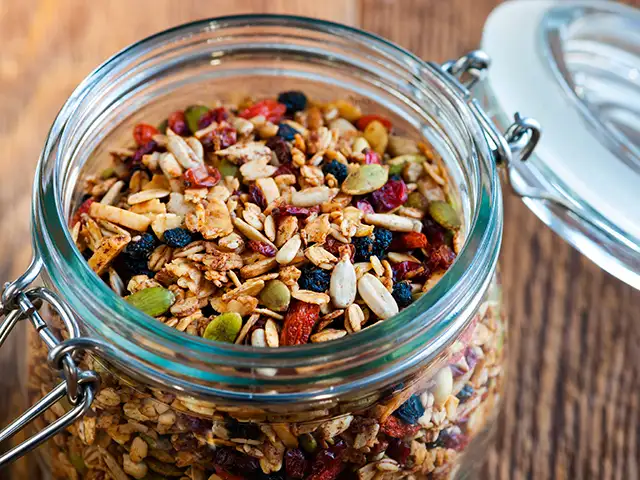
Whole foods that are not processed should always be on the menu. But also remember that some items have to be away from the dining table if you want to steer clear of diabetes.
Additionally, avoid special diets and stick to what you make at home. Just follow the basic rules like keeping a constant calorie count during meals.





THE DANGERS
Reuse of insulin injection devices exposes patients to needlestick injuries (NSI) and bloodborne diseases, and can increase the risk of:
Lipohypertrophy: This is a condition that results in fatty lumps on the skin surface and can affect the rate of insulin absorption in the body. Greater needle reuse is often associated with higher incidences of lipohypertrophy.
Bacterial growth: The bacteria found on the needles are naturally present on the skin and every subsequent reuse could increase the risk of contamination of more harmful bacteria.
ADVERTISEMENT
Tissue injury: Today, we have progressed from using thicker and longer needles to finer and shorter needles, which have proved to be more efficient. Every additional use of the fine needles causes damage to the tip, leading to their blunting and bending. This might not be visible to the naked eye; however, the bent or the blunt needle results in bruising of the subcutaneous tissue, which might cause pain while withdrawing the needle. Further, more the use of the same needle, the larger is the risk of tissue injury.
Breakage of the needle tip: Constant reuse of the insulin syringe leads to the tip of the needle being broken into small pieces which might end up remaining in the patient.
ADVERTISEMENT







RIGHT TECHNIQUES IMPORTANT
Given these potential risks, it becomes essential to adhere to standards that promote appropriate insulin injection techniques. . In this regard, the FITTER recommendations include guidelines for standardising insulin practice and helping patients overcome the challenges that they might face in management and administration of insulin injection. Moreover, adhering to NABH’s standard on infection control — ‘One Needle, One Syringe and One time’ — would be beneficial. Healthcare professionals must create awareness among patients regarding the adverse effects of needle reuse.
Clearly, the correct insulin technique is the cornerstone of ensuring optimal insulin therapy. Diabetes management is a long-term commitment and the healthcare fraternity and patients would have to work hand in hand to adhere to result-oriented best practices. It is only through a collective and effective implementation of the recommendations that a positive and constructive shift in attitudes can be brought about.
—The writer is Director-Endocrinology, Diabetes & Obesity, Max Health Care, New Delhi.
(Disclaimer: The opinions expressed in this column are that of the writer. The facts and opinions expressed here do not reflect the views of www.economictimes.com.)
Download
The Economic Times Business News App for the Latest News in Business, Sensex, Stock Market Updates & More.
The Economic Times Business News App for the Latest News in Business, Sensex, Stock Market Updates & More.
ADVERTISEMENT


