How Covid changed shopping: Floor cleaners, trimmers & gadgets became essentials
Many customers are sticking to cashless means of payment, for safety and ease.
By ET Bureau |
iStock
People were stocking up for essentials, staples, laundry detergents and snack items during the lockdown.
The new normal meant that simple acts such as popping down the local store or visiting the mall were put on the back burner. Even our wants changed during the pandemic, with essentials taking over our shopping lists.
“Floor cleaners witnessed a growth of 184 per cent, health/nutrition jumped by 78 per cent, personal hygiene by 70 per cent and staples by 75 per cent. We also have seen a 170 per cent surge in ready-to-eat meals. Overall, people were stocking up for essentials, staples, laundry detergents and snack items,” says Saurabh Kumar, founder, Grofers.
“Over the last year, sellers have seen high demand in categories such as groceries and work-from-home enablers. We also saw a significant demand for personal grooming products such as trimmers, shavers, hair removal products as well as wellness products like weighing scales and BP monitors,” says an Amazon spokesperson.
Tech update With work-from-home and online school, the idea of what is termed essential has also adapted with brands seeing a sharp rise in electronic gadgets being purchased.
“There has been a surge in demand for smartphones and laptops while, at the same time, categories such as large TVs and gaming PCs have witnessed an uptick in demand as consumers look to up their entertainment quotient. From a general point-of-view, washing machines and refrigerators have seen an increased demand along with home automation products such as robot vacuum cleaners and roombas,” says Ritesh Ghosal, CMO, Croma. A majority of the consumers online and offline used credit cards or UPI payment mode. Online vs offline As things begin to slowly get back to normal, one aspect Nilesh Gupta, director, Vijay Sales noticed is that online is still popular, even though offline stores are opening up.
ADVERTISEMENT
“People were a little sceptical in the beginning to come to stores but then they started coming in as they wanted to touch and feel the product. The biggest change was that all consumers who came, bought the product and were not in browsing mode. Due to the pandemic, there is no doubt that quite a few consumers have experimented with online purchase and they may continue with online for some categories,” he shares.
Pay day During the lockdown, many online retailers stopped accepting cash-on-delivery and orders were available only through pre-paid payment methods. “While we received a positive response from customers on this move, more than 65 per cent of the customers were already using digital payments even before we initiated this precautionary measure,” says Kumar.
Even now, as stores open up, brands are noticing that their customers are sticking to cashless means of payment, for safety and ease. “The majority of the consumers online and offline used credit cards or UPI payment mode,” says Gupta.
Grow Herbs, Make Compost Of Kitchen Waste & Stock Essentials: Great Eco-Friendly Habits Post-Lockdown
1/6
We’ve enjoyed the cleaner air and quieter stress as one of the silver linings during the lockdown. And with the lockdown being relaxed in some cities, it begs the question - Is there an opportunity to make a shift in our environmental habits for good? Tetra Pak India shares a few simple planet positive habits to adopt during the lock-down that you can carry well into the post-lock-down life:
We’ve enjoyed the cleaner air and quieter stress as one of the silver linings during the lockdown. And with the lockdown being relaxed in some cities, it begs the question - Is there an opportunity t..
Read More
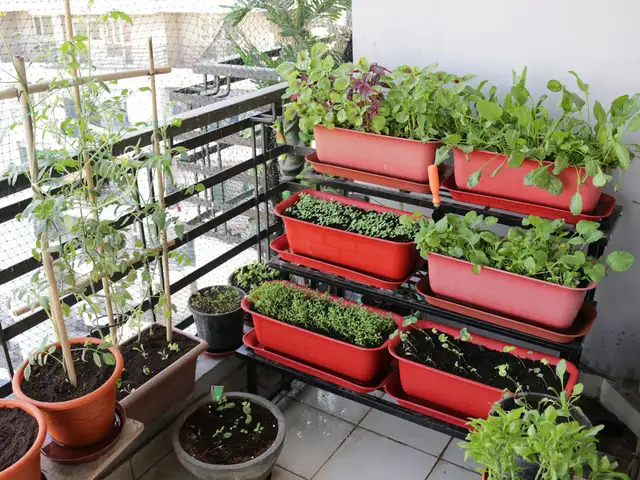
If you have unused kitchen items or old utensils, for example: old mugs, take-away food boxes etc. do not throw them away. You can spruce up your space by planting herbs like mint, coriander, parsley, even chillies right on your windowsill.
If you have unused kitchen items or old utensils, for example: old mugs, take-away food boxes etc. do not throw them away. You can spruce up your space by planting herbs like mint, coriander, parsley..
Read More
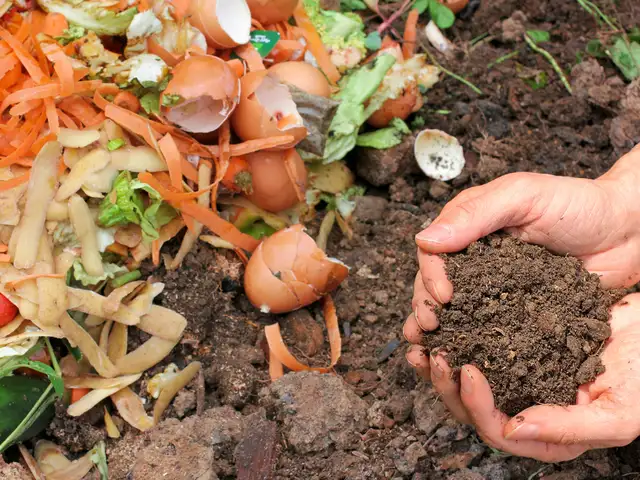
In an ideal world, all kitchens would opt for zero waste cooking. But for now, you can use all the organic kitchen waste to create manure at home. Vegetable and fruit peelings, eggshells and non-greasy waste can be used to make manure by adding some wood ash, sawdust and some garden waste, after mixing them place them into your compost bin. Homemade manure ready to nourish your plants.
In an ideal world, all kitchens would opt for zero waste cooking. But for now, you can use all the organic kitchen waste to create manure at home. Vegetable and fruit peelings, eggshells and non-grea..
Read More
Food safety and good nutrition is everyone’s primary concern. Packaged foods like milk, juices, purees etc. offer preservative free shelf-stable food, with the promise of safety and hygiene, but it is up to us to choose packaging that has the minimum environmental impact. Opt for recyclable packaging, snacks that come in paper-packaging that are biodegradable; home delivered food that comes with compostable cutlery, or no cutlery at all. Choose smart.
Food safety and good nutrition is everyone’s primary concern. Packaged foods like milk, juices, purees etc. offer preservative free shelf-stable food, with the promise of safety and hygiene, but it i..
Read More
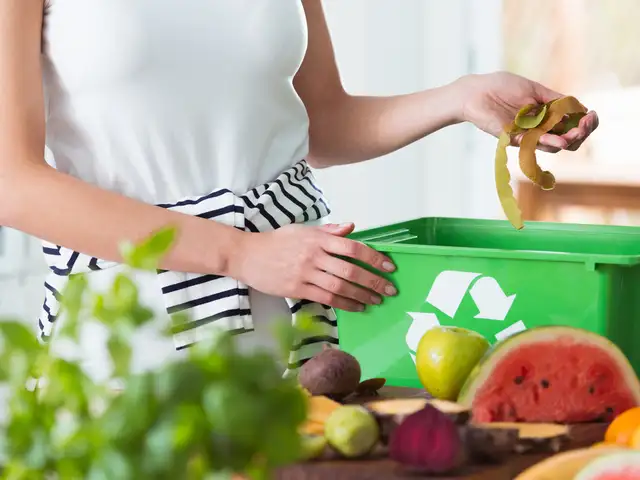
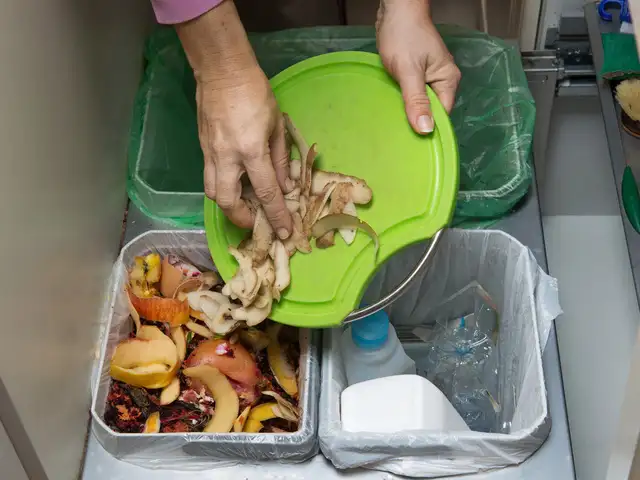
If you still don’t segregate your waste, today is the day to start. Segregate into as many different bins as you can. Organic wet waste for composting, dry recyclable waste like Milk/juice cartons, paper waste etc. for recycling, and hazardous waste like batteries/syringes/personal hygiene products for safe disposal. The more that gets recycled, the less is left for landfills.
If you still don’t segregate your waste, today is the day to start. Segregate into as many different bins as you can. Organic wet waste for composting, dry recyclable waste like Milk/juice cartons, p..
Read More
Even if we weren’t stocking up because of a pandemic, it makes immense sense to stock essentials like milk, pulses, flour, spices, rice, cooking oil, juices, purees etc. to last you at least 2-months to avoid making multiple trips to the market. You’ll avoid hassle, find great deals, save fuel, and help the environment.
Even if we weren’t stocking up because of a pandemic, it makes immense sense to stock essentials like milk, pulses, flour, spices, rice, cooking oil, juices, purees etc. to last you at least 2-months..