How binge-drinking may have lasting & adverse effects on your brain's wiring
It may increase the risk of psychological problems and alcohol use disorder.
By PTI |
Agencies
WASHINGTON: Heavy drinking in adolescence has lasting effects on the brain wiring, and may increase the risk of psychological problems and alcohol use disorder later in life, say scientists, including one of Indian origin.
Researchers at the University of Illinois in the US have shown that some of these lasting changes are the result of epigenetic changes that alter the expression of a protein crucial for the formation and maintenance of neural connections in the amygdala -- the part of the brain involved in emotion, fear and anxiety.
Their results, published in the journal Translational Psychiatry, are based on the analysis of postmortem human brain tissue.
Epigenetics refers to chemical changes to DNA, RNA or specific proteins associated with chromosomes that change the activity of genes without changing the genes themselves.
Epigenetic modifications are involved in the normal development of the brain, but they can be influenced by environmental or even social factors, such as alcohol and stress.
ADVERTISEMENT
These kinds of epigenetic alterations have been linked to changes in behaviour and disease, said Subhash Pandey, a professor at the University of Illinois.
The researchers looked at postmortem human amygdala tissue from the brains of 11 individuals who started drinking heavily before the age of 21 or early-onset drinkers; 11 individuals who started drinking seriously after the age of 21, known as late-onset drinkers; and 22 individuals with no history of alcohol use disorder.
The average age of death of the individuals from whom the samples were taken was 58 years old for those without alcohol use disorder; 55 years old for early-onset drinkers; and 59 for late-onset drinkers.
ADVERTISEMENT
Amygdalae of individuals who were early-onset drinkers had about 30 per cent more of a molecule called BDNF-AS, a large non-coding RNA.
Usually, RNA is involved in the production of proteins from DNA, but researchers said this one is not. BDNF-AS regulates a gene that produces a protein called BDNF.
ADVERTISEMENT
This protein is a growth factor and is crucial for the normal formation and maintenance of synapses throughout the brain.
When there is more BDNF-AS, there is less BDNF. The brain tissue of early-onset drinkers had 30 to 40 per cent less BDNF compared with brain tissue from people with no history of alcohol use disorder.
This reduction in BDNF was not seen in brain samples from late-onset drinkers or from people with no alcohol use disorder.
Pandey believes that epigenetic changes to BDNF-AS are the reason BDNF is lower in the amygdalae from people who started drinking early in life.
"BDNF is needed for normal development in the brain and for connections to form between neurons," said Pandey.
"If levels are lowered due to alcohol exposure, then the brain will not develop normally, and we see that in these brain samples where there are abnormalities in another synaptic gene, Arc, possibly making abnormal connections between neurons," he said.
Researchers found that the increase in BDNF-AS in the early-onset drinkers is caused by decreased methylation of BDNF-AS.
Methylation is a type of epigenetic change where a molecule containing a methyl group is added to another molecule and results in a change in genetic expression.
The decreased methylation of BDNF-AS is believed to be caused by early-onset drinking and appears to be a long-lasting change.
"The epigenetic changes we saw in the amygdala of early-onset drinkers can alter the normal function of the amygdala, which helps regulate our emotions, and may cause individuals to be more susceptible for things like anxiety," Pandey said.
Right Nutrition, Mindful Eating: Key To Healthier, Happier You
1/5
By IANS
The road to a happier you is right nutrition and mindful eating as well as staying away from too much of caffeine and sugar, suggests Rueben Ghosh, Co-Founder and Culinary Director at Yumlane and Kashmiri Barkakati, food expert at Momspresso. Here's how to do it right.
By IANS The road to a happier you is right nutrition and mindful eating as well as staying away from too much of caffeine and sugar, suggests Rueben Ghosh, Co-Founder and Culinary Director at Yumlane..
Read More
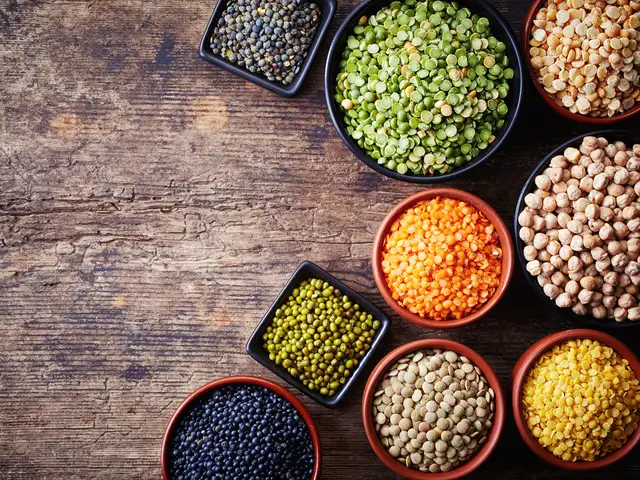
Consuming legumes will keep the blood sugar stable throughout the day, fostering happier mood, a key nutrient in creating a healthier gut.
Consuming legumes will keep the blood sugar stable throughout the day, fostering happier mood, a key nutrient in creating a healthier gut.
Although a Western concept, wraps have surely found its popularity in India in the form of Frankie and rolled food items. The Kathi rolls are one example amongst the many variants and experiments with the delicacy in India. Consisting of various ingredients that could be included with the flatbread, chapatti or paratha like paneer, onions, green peas, ginger, garlic, mayonnaise or even mutton, a quick bite of this delicacy will appetize one's stomach and effectively boost one's mind into focusing on their work later.
Although a Western concept, wraps have surely found its popularity in India in the form of Frankie and rolled food items. The Kathi rolls are one example amongst the many variants and experiments wit..
Read More
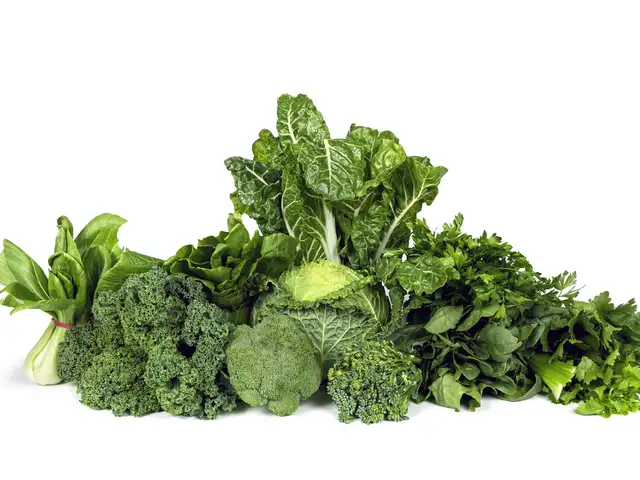
Leafy greens like spinach and Kale are extremely important in keeping brain functioning at its best with its Vitamin B. It produces Serotonin, a mood-enhancing chemical that helps lift our moods and keep depression at bay.
Leafy greens like spinach and Kale are extremely important in keeping brain functioning at its best with its Vitamin B. It produces Serotonin, a mood-enhancing chemical that helps lift our moods and ..
Read More
Whole grains are a great source of vitamin B, which are key nutrients to a good mood. Studies have proven that B6 deficiencies lead to stress, depression and irritability. Pack whole grains into your diet. Eliminating carbohydrate completely may not be a good idea.
Whole grains are a great source of vitamin B, which are key nutrients to a good mood. Studies have proven that B6 deficiencies lead to stress, depression and irritability. Pack whole grains into your..






 As World Cup heats up, experts warn fans about mixing alcohol and extreme temperatures2026-06-05T11:56:36Z

