How a school of hip-hop brought stardom to a young rapper from Dharavi
The school, started by The Dharavi Project in 2014, now has 75 students learning rapping, beat-boxing, b-boying and street art like graffiti.
By Malini Goyal, ET Bureau | Updated:

BCCL
Aisi hoti hai zindagi,
Jaise ladai khudse hai
Khudse ladke tu jeet ja
Is jeet ki hai alag khushi...
Pratik Hemant Sawant raps, his feet tapping, his body lunging forward, his voice tearing through the room filled with upturned purple tables. In his black tee and jeans, he turns the word khushi, happiness, into a screaming whiplash. Around him, the walls are spray-painted with graffiti. These are a few square feet filled with music and rebellion, angst and aspiration. Outside, Dharavi hums. People are making their way through heaps of garbage. But at the After School of Hip-Hop, music rages against lives restricted to low shanties and narrow lanes.
Twenty-one-year-old Sawant’s lyrics and voice will not be confined to these four walls. He has recorded his first rap video with Universal Music. Produced by digital media platform Qyuki, the single will be released in two months. In maximum city, where the dream-land of Bollywood unfolds, Dharavi has been the land of hip-hop.
Sawant’s tee declares: The Dharavi Project. It is a platform to discover underground hip-hop talent and is supported by filmmaker Shekhar Kapur, musician AR Rahman, Samir Bangara of Qyuki, Devraj Sanyal, MD Universal Music Group (India and South Asia). While Universal Music India channels its CSR budget into the project, sponsors like Pepsi too have come on board. The school, started by The Dharavi Project in 2014, now has 75 students learning rapping, beat-boxing, b-boying and street art like graffiti.
It has been a long journey, recalls Sawant. “I was a bad boy.” When he’s not singing, his voice drops to a low pitch. He skipped classes, got into bad company, smoked, fought on the streets. It was a life filled with troubles. In 2016, he was left shaken by his mother’s death. Sawant slipped into depression. To heal, he began to write songs. He hung out with Dharavi’s hip hop group 7 Bantaiz. In 2017, he performed at SNDT College and a team from After School of Hip Hop sat up and took notice of this new voice. Sawant soon joined the school, which he now attends in the evenings, after college and a job at an NBFC (non- banking financial company). “The school has guided me, helped me write and improve my songs,” he says.
Devraj Sanyal, MD (India and South Asia), Universal Music Group, says. “We didn’t think we would get so lucky. There is such incredible talent here. What a journey it has been!” What began in 2014, renting a 100 sq ft room to give a bunch of Dharavi rappers space to practise, has blossomed into a full-fledged free school. It is entering a new phase as some like Sawant get ready to take on the world. Later this year, the school will move to a bigger campus in Dharavi itself. “We want to set the model in Dharavi and create superstars here. Then we will take it to other places in India and overseas to find talent in untapped regions,” says Bangara, cofounder of Qyuki.
Nothing comes easy in Dharavi. “When my school friends got pocket money and lived a good life, at my home, everything was a struggle. You had to think twice before asking for even 1 rupee,” says Sawant.
Gayatri Nadar, 16, faced a different set of challenges. She saw boys performing beatboxing, the vocal percussion that is integral to hip- hop, and wanted to learn, but her parents were against it. They told her, “Our girls don’t do such things.” She persevered and is now the lone girl beat-boxer in the school. Last year she performed at the JW Marriott in Mumbai. It was her first show. “My limbs were shaking,” she recalls. But after the performance, she was blown away by the compliments. “I wish my parents could see me there and feel proud.” She is dreaming now: she wants to do more shows, be a YouTuber and find money and fame in beat-boxing.
Hemant Dhyani, 30, is one of the six teachers at the school. A rapper from Delhi, he moved to Mumbai to teach at the Dharavi school. Dhyani, who has an MCA degree, is diagnosed with borderline ADHD (attention deficit hyper disorder). He knows what it is to struggle. “I use music as a therapy to make these kids believe in themselves,” he says. “I am tight on money but am at peace. Being connected to music and working with these children bring me incomparable joy," he says.
Dharavi has been the setting for movies like Nayakan, Slumdog Millionaire and Kaala. The hip-hop school may propel homegrown heroes to stardom.
Songs have the power to unite beyond their notes, just like these chart-toppers that evolved into anthems for landmark movements.
(Text: Shannon Tellis) 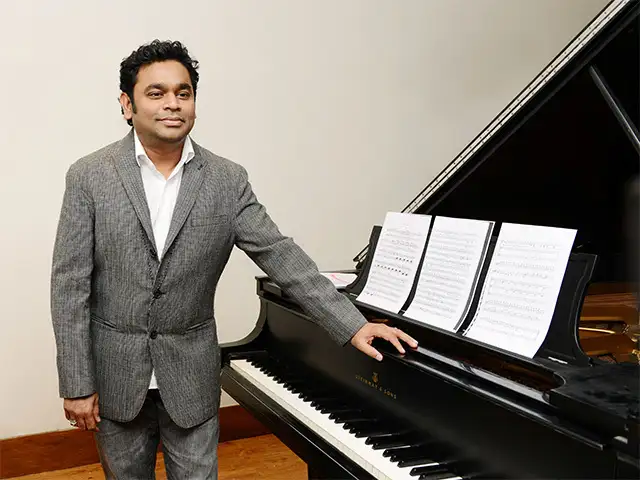
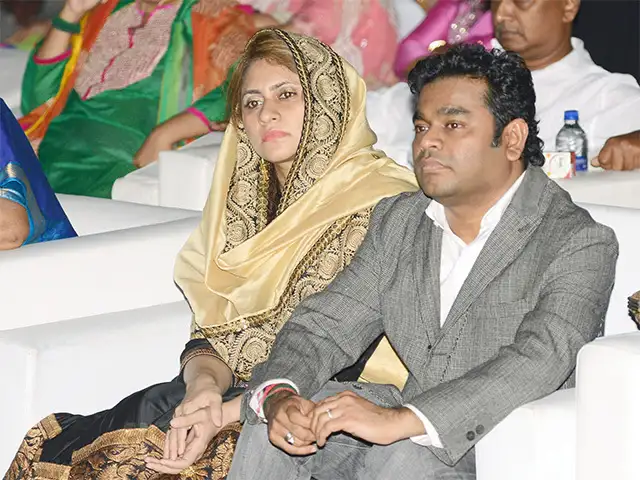
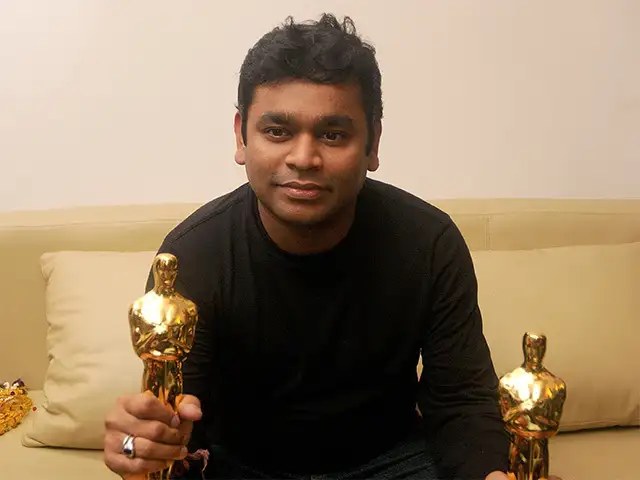
Allah Rakha Rahman is more than just a name for his millions of followers. As the music maestro turns 51 today, here are some lesser-known facts about the legend.
Jaise ladai khudse hai
Khudse ladke tu jeet ja
Is jeet ki hai alag khushi...
Pratik Hemant Sawant raps, his feet tapping, his body lunging forward, his voice tearing through the room filled with upturned purple tables. In his black tee and jeans, he turns the word khushi, happiness, into a screaming whiplash. Around him, the walls are spray-painted with graffiti. These are a few square feet filled with music and rebellion, angst and aspiration. Outside, Dharavi hums. People are making their way through heaps of garbage. But at the After School of Hip-Hop, music rages against lives restricted to low shanties and narrow lanes.
Twenty-one-year-old Sawant’s lyrics and voice will not be confined to these four walls. He has recorded his first rap video with Universal Music. Produced by digital media platform Qyuki, the single will be released in two months. In maximum city, where the dream-land of Bollywood unfolds, Dharavi has been the land of hip-hop.
Sawant’s tee declares: The Dharavi Project. It is a platform to discover underground hip-hop talent and is supported by filmmaker Shekhar Kapur, musician AR Rahman, Samir Bangara of Qyuki, Devraj Sanyal, MD Universal Music Group (India and South Asia). While Universal Music India channels its CSR budget into the project, sponsors like Pepsi too have come on board. The school, started by The Dharavi Project in 2014, now has 75 students learning rapping, beat-boxing, b-boying and street art like graffiti.
It has been a long journey, recalls Sawant. “I was a bad boy.” When he’s not singing, his voice drops to a low pitch. He skipped classes, got into bad company, smoked, fought on the streets. It was a life filled with troubles. In 2016, he was left shaken by his mother’s death. Sawant slipped into depression. To heal, he began to write songs. He hung out with Dharavi’s hip hop group 7 Bantaiz. In 2017, he performed at SNDT College and a team from After School of Hip Hop sat up and took notice of this new voice. Sawant soon joined the school, which he now attends in the evenings, after college and a job at an NBFC (non- banking financial company). “The school has guided me, helped me write and improve my songs,” he says.
Devraj Sanyal, MD (India and South Asia), Universal Music Group, says. “We didn’t think we would get so lucky. There is such incredible talent here. What a journey it has been!” What began in 2014, renting a 100 sq ft room to give a bunch of Dharavi rappers space to practise, has blossomed into a full-fledged free school. It is entering a new phase as some like Sawant get ready to take on the world. Later this year, the school will move to a bigger campus in Dharavi itself. “We want to set the model in Dharavi and create superstars here. Then we will take it to other places in India and overseas to find talent in untapped regions,” says Bangara, cofounder of Qyuki.
ADVERTISEMENT
Nothing comes easy in Dharavi. “When my school friends got pocket money and lived a good life, at my home, everything was a struggle. You had to think twice before asking for even 1 rupee,” says Sawant.
Gayatri Nadar, 16, faced a different set of challenges. She saw boys performing beatboxing, the vocal percussion that is integral to hip- hop, and wanted to learn, but her parents were against it. They told her, “Our girls don’t do such things.” She persevered and is now the lone girl beat-boxer in the school. Last year she performed at the JW Marriott in Mumbai. It was her first show. “My limbs were shaking,” she recalls. But after the performance, she was blown away by the compliments. “I wish my parents could see me there and feel proud.” She is dreaming now: she wants to do more shows, be a YouTuber and find money and fame in beat-boxing.
Hemant Dhyani, 30, is one of the six teachers at the school. A rapper from Delhi, he moved to Mumbai to teach at the Dharavi school. Dhyani, who has an MCA degree, is diagnosed with borderline ADHD (attention deficit hyper disorder). He knows what it is to struggle. “I use music as a therapy to make these kids believe in themselves,” he says. “I am tight on money but am at peace. Being connected to music and working with these children bring me incomparable joy," he says.
Dharavi has been the setting for movies like Nayakan, Slumdog Millionaire and Kaala. The hip-hop school may propel homegrown heroes to stardom.
ADVERTISEMENT
(Text: Shannon Tellis)

Download
The Economic Times Business News App for the Latest News in Business, Sensex, Stock Market Updates & More.
The Economic Times Business News App for the Latest News in Business, Sensex, Stock Market Updates & More.
ADVERTISEMENT


