'High School Musical' star Vanessa Hudgens apologises for insensitive coronavirus comments after backlash
The actor had previously said, "People are gonna die. Which is terrible".
By PTI | Updated:
AP
Vanessa Hudgens offered an apology, admitting that her comments were 'insensitive'.
LOS ANGELES: Hollywood star Vanessa Hudgens has apologised for her flippant comments on coronavirus outbreak where she said "People are gonna die. Which is terrible". The actor's comments went viral on social media with people calling her out for her insensitive remarks.
"Yeah, till July sounds like a bunch of bulls-, I'm sorry. It's a virus, I get it. I respect it. But at the same time, like, even if everybody gets it - like, yeah, people are gonna die. Which is terrible. But, like, inevitable? I don't know, maybe I shouldn't be doing this right now," Hudgens said in an Instagram Live.
The 31-year-old actor later responded to the backlash, saying her comments were taken out of context.
"Yesterday, I did an Instagram Live, and I realized today that some of my comments are being taken out of context. It's a crazy time. It's a crazy, crazy time! And I am at home and in lockdown, and that's what I hope that's what you guys are doing, too - in full quarantine! And staying safe and sane. Yeah, I don't take this situation lightly by any means. I am home. So stay inside, y'all."
But eventually she offered an apology, admitting that her comments were "insensitive".
ADVERTISEMENT
"Hey guys, I'm so sorry for the way I have offended anyone and everyone who has seen the clip from Instagram Live yesterday. I realise my words were insensitive and not at all appropriate for the situation our country and the world are in right now. This has been a huge wake up call about the significance my words have, now more than ever. I'm sending safe wishes to everyone to stay safe and healthy during this crazy time," she posted on Twitter.
A lot of what you hear or read about the coronavirus may be myths. WHO data busts a few common misconceptions.
A lot of what you hear or read about the coronavirus may be myths. WHO data busts a few common misconceptions.
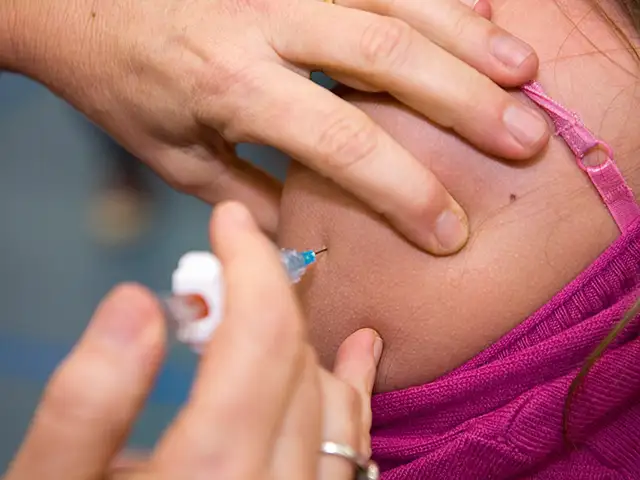
Myth: Pneumonia vaccines will protect you against coronavirus.
Reality: Vaccines against pneumonia, such as pneumococcal vaccine and Haemophilus influenza type B (Hib) vaccine, do not provide protection against coronavirus. The virus is so new and different that it needs its own vaccine. Researchers are trying to develop a vaccine against 2019-nCoV, and WHO is supporting their efforts. However, while they are not effective against 2019-nCoV, vaccination against respiratory illnesses is highly recommended to protect your health.
Myth: Pneumonia vaccines will protect you against coronavirus.
Reality: Vaccines against pneumonia, such as pneumococcal vaccine and Haemophilus influenza type B (Hib) vaccine, do not provide protec..
Read More
Myth: Ultraviolet disinfection lamp can kill the coronavirus.
Reality: UV lamps should not be used to sterilise hands or other areas of skin. Far from killing the virus, the UV radiation can actually cause skin irritation.
Myth: Ultraviolet disinfection lamp can kill the coronavirus.
Reality: UV lamps should not be used to sterilise hands or other areas of skin. Far from killing the virus, the UV radiation can actuall..
Read More
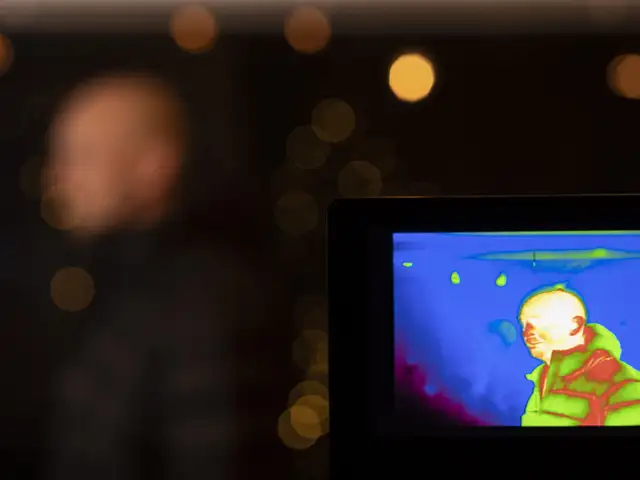
Myth: Thermal scanners can help detect infected people.
Reality: Thermal scanners are effective in detecting people who have developed a fever due to the coronavirus infection. However, they cannot detect people who are infected but are not yet sick with the fever. This is because it takes between two and 10 days before people who are infected become sick and develop a fever.
Myth: Thermal scanners can help detect infected people.
Reality: Thermal scanners are effective in detecting people who have developed a fever due to the coronavirus infection. However, they cannot ..
Read More
Myth: Spraying alcohol or chlorine all over the body kill the coronavirus.
Reality: Spraying alcohol or chlorine all over your body will not kill viruses that have already entered your body. In fact, spraying such substances can be harmful to clothes or mucous membranes (ie eyes, mouth). Be aware that both alcohol and chlorine can be used to disinfect surfaces, but they need to be used under appropriate recommendations.
Myth: Spraying alcohol or chlorine all over the body kill the coronavirus.
Reality: Spraying alcohol or chlorine all over your body will not kill viruses that have already entered your body. In fact..
Read More
Myth: Putting on sesame oil will block the coronavirus from entering the body.
Reality: Sesame oil does not kill coronavirus. There are some chemical disinfectants that can kill the 2019-nCoV on surfaces. These include bleach or chlorine-based disinfectants, solvents, 75 per cent ethanol, peracetic acid and chloroform. However, they have little or no impact on the virus if you put them on the skin or under your nose. It can even be dangerous to put these chemicals on your skin.
Myth: Putting on sesame oil will block the coronavirus from entering the body.
Reality: Sesame oil does not kill coronavirus. There are some chemical disinfectants that can kill the 2019-nCoV on sur..
Read More
Myth: Coronavirus mainly affects older people.
Reality: People of all ages can be infected by the 2019-nCoV. Older people, and people with preexisting medical conditions [such as asthma, diabetes, heart disease] appear to be more vulnerable. But WHO has advised people of all ages to take steps to protect themselves from the virus.
Myth: Coronavirus mainly affects older people.
Reality: People of all ages can be infected by the 2019-nCoV. Older people, and people with preexisting medical conditions [such as asthma, diabetes, h..
Read More
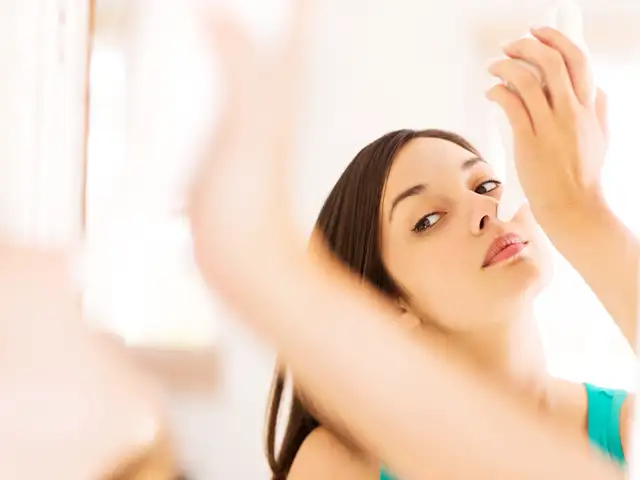
Myth: Rinsing your nose with saline will help prevent coronavirus infection.
Reality: There is no evidence that regularly rinsing the nose with saline has protected people from a coronavirus infection. But there is some limited evidence that regularly rinsing nose with saline can help people recover more quickly from a common cold. However, regularly rinsing the nose has not been shown to prevent respiratory infections.
Myth: Rinsing your nose with saline will help prevent coronavirus infection.
Reality: There is no evidence that regularly rinsing the nose with saline has protected people from a coronavirus infecti..
Read More
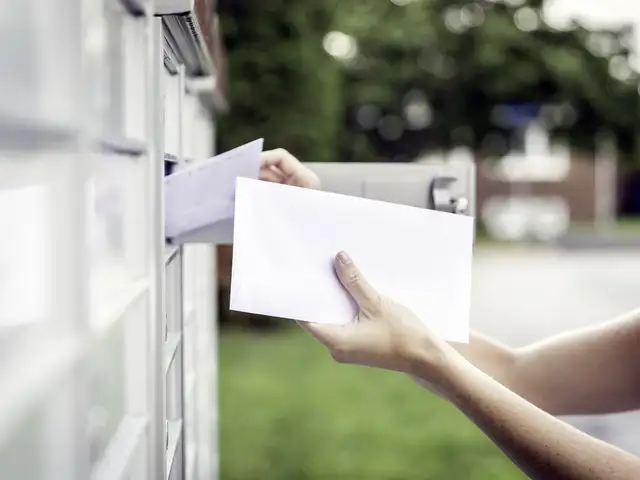
Myth: It’s not safe to receive letters or packages from China.
Reality: It is safe to receive letters and packages from China. People receiving packages from China are not at risk of contracting the coronavirus. From previous analysis, we know that coronaviruses do not survive long on objects such as letters or packages.
Myth: It’s not safe to receive letters or packages from China.
Reality: It is safe to receive letters and packages from China. People receiving packages from China are not at risk of contracting the..
Read More
Myth: Pets at home can spread the coronavirus
Reality: At present, there is no evidence that companion animals or pets such as dogs or cats can be infected with the coronavirus. However, it is always a good idea to wash your hands with soap and water after contact with these pets. This will protect you against various common bacteria such as E.coli and Salmonella that can pass between pets and humans.
Myth: Pets at home can spread the coronavirus
Reality: At present, there is no evidence that companion animals or pets such as dogs or cats can be infected with the coronavirus. However, it is alway..
Business News › Magazines › Panache › 'High School Musical' star Vanessa Hudgens apologises for insensitive coronavirus comments after backlashText Size:AAA