Flexible timings, crèche facilities: What cos can do to bring mothers back to the workforce, and why it's good for business
When women achieve economic equality with men, it will contribute roughly $80 trillion to the global economy.
By ET CONTRIBUTORS | Updated:
Getty Images
In 2018, only 22% of India's workforce consisted of women, lower than the global average of 39%. (Representative image)
By TR Ramachandran
Two years ago India passed the landmark Maternity Benefit (Amendment) Act, increasing paid leave from 12 to 26 weeks for working women. This is more than the ILO's recommended minimum of 12 weeks, and far better than what economies like the US offer.
Ahead of Mother's Day, we reflect on what made India take this big leap forward, and why it's important.
The answer lies in the high post-maternity dropout rate in the workforce. A report by the Genpact Centre for Women's Leadership (GCWL) states that though barely 27% of women join the workforce, 48% drop out within 4 months of returning from maternity leave, and 50% drop out before the age of 30.
In 2018, only 22% of India's workforce consisted of women, lower than the global average of 39%, and considerably lower than other BRIC countries like Brazil (43.4%) and China (43.6%).
This makes one ask - are we doing enough to keep women in the workforce?
ADVERTISEMENT
The importance of bringing women back Keeping women employed after maternity is not just about being inclusive, it also makes business sense. Studies suggest that increasing the participation of women in the workforce by 10 per cent could add $700 billion to India's GDP by 2025.
In a country with a median age of 27.3 years and more than 65% of its population under 35, India has a rich talent demographic. The female labour participation, albeit low at 22%, contributes to 17% of the GDP. Does this not mean that we are losing out on substantial demographic dividend?
Diversity in the workplace has an effect on financial performance. Companies in the top quartile for gender diversity are 15% more likely to have better financial returns than their industry's national median. The business case for gender diversity is becoming stronger with companies taking active measures such as ensuring equal representation, providing mentoring and leadership training to women workers and instituting family-friendly employee policies for a more gender-inclusive workforce.
Time’s Up! Women Leaders On Notions That Need To Be Junked
1/7
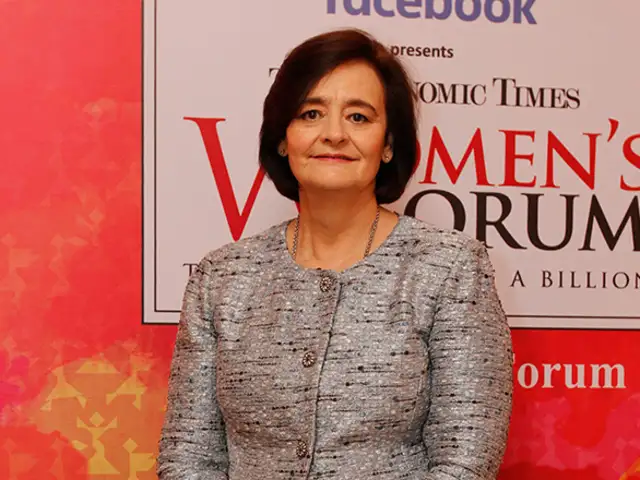
The idea of the aggressive male has to be challenged.
— Cherie Blair, Founder, Cherie Blair Foundation for Women.
The idea of the aggressive male has to be challenged.
— Cherie Blair, Founder, Cherie Blair Foundation for Women.
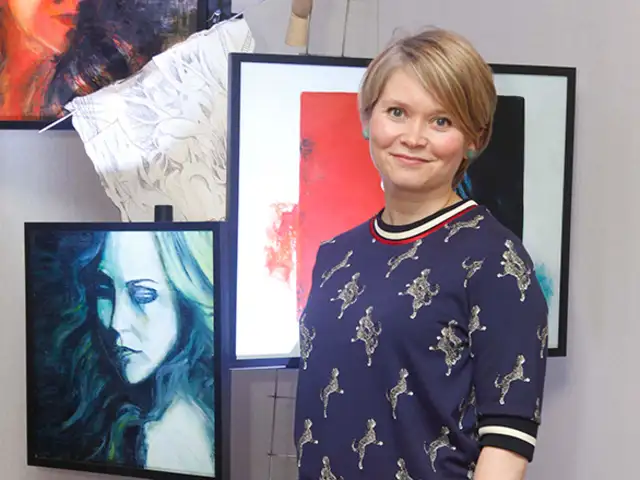
If we want to free up time for women to be more active in the work force, that means a changed role for men as well. They need to take more responsibility at home. Cheer on for those guys.
— Kristina Jullum Hagen, Head, Labour Market and Social Affairs, Conf. of Norwegian Industries
If we want to free up time for women to be more active in the work force, that means a changed role for men as well. They need to take more responsibility at home. Cheer on for those guys.
— Kristin..
Read More
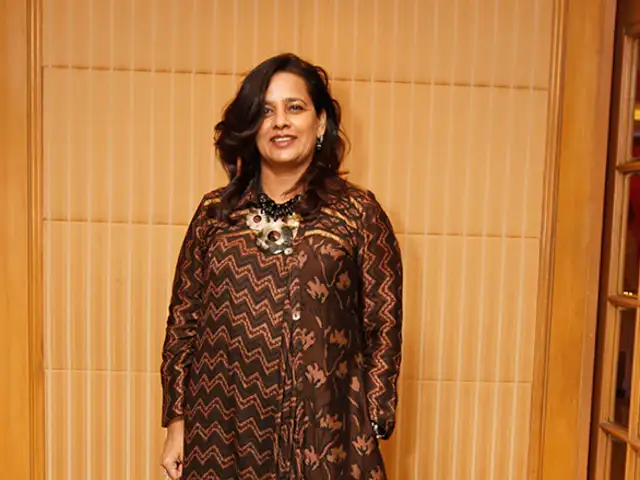
It is not a maledominated world anymore.
— Devita Saraf, CEO, Vu TV
It is not a maledominated world anymore.
— Devita Saraf, CEO, Vu TV
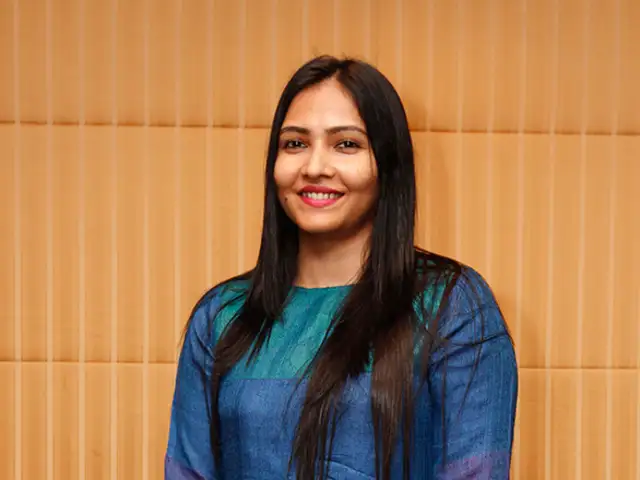
The time has come to do something, to channel all emotion and angst, and call it to action.
—Sonal Agrawal, Managing Partner, Accord India
The time has come to do something, to channel all emotion and angst, and call it to action.
—Sonal Agrawal, Managing Partner, Accord India
People are always telling young girls, ‘It’s late, go home now. You are a girl. Why are you still playing?’ It’s time now for them to play as much as they like to.
— Prashanti Singh, Basketball Player
People are always telling young girls, ‘It’s late, go home now. You are a girl. Why are you still playing?’ It’s time now for them to play as much as they like to.
— Prashanti Singh, Basketball Play..
Read More
It’s time people stop telling women that they have to have children.
— Radhika Vaz, Comedian
It’s time people stop telling women that they have to have children.
— Radhika Vaz, Comedian
Intolerance of different leadership styles and assuming that only your way is right.
— Elizabeth Coffey MD, Spark Leadership
Intolerance of different leadership styles and assuming that only your way is right.
— Elizabeth Coffey MD, Spark Leadership
Apart from economic benefits, having women in the workforce also provides room for more diverse thinking, problem-solving, and creative working methods.
Having a child brings many new life experiences for mothers, many of which could translate into effective management lessons for the entire organisation. The value of time and working smartly to get more work done are just some of the examples. Multitasking becomes second nature for mothers and they can handle more and different kinds of pressure with a calm mind. Working mothers are known to build close-knit teams.
ADVERTISEMENT
Outside the glass-walled skyscrapers too, there is an entire segment of women in the unskilled labour force that needs to be brought back. This is a section that drops out of the workforce first and needs to be empowered, even more so after childbirth. Often the victims of domestic abuse, making them bread earners ensures that these women become empowered decision makers.
Low workforce participation of women has an impact on their individual economic empowerment and a significant bearing on the country's macroeconomic development. Many Indian firms that are battling issues of skilled talent shortage can expand the pool of skilled resources by bringing mothers back to work.
Re-assimilating mothers to the workforce Organisations need to walk the talk when reinstating and assimilating women back into jobs. Formal programs - like Visa's Ready to Return - help women take those tough decisions when they consider coming back to work.
These programs should also be extended to women who left their careers due to elder-care or other family reasons. These help enhance their skills and bring parity at mid and senior-level positions, where the gender ratio is highly titled towards men.
Divas Of Tech: Women Who Broke Barriers & Made It Big
1/10
Women are going places - and there is no denying that.
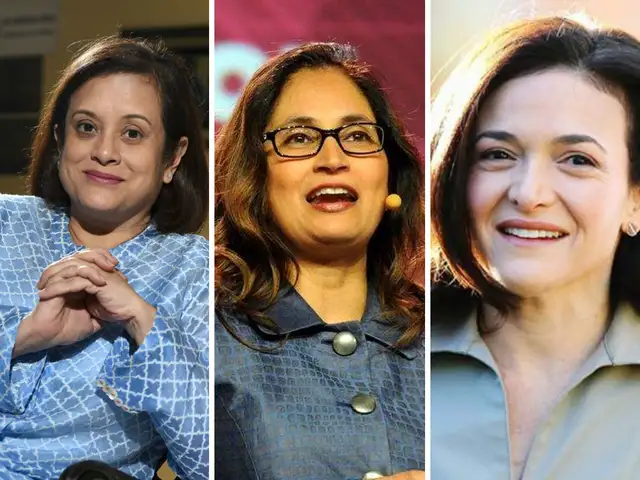
From classrooms to boardrooms, many women in the world of technology have proved their merit. Famous names like Debjani Ghosh, Padmasree Warrior and Sheryl Sandberg made it big, and have been an inspiration to the womankind.
On International Women's Day, here's a list of women who have managed to break the stereotype and carve a niche for themselves.
(In Pic: From left: Debjani Ghosh, Padmasree Warrior, Sheryl Sandberg)
Women are going places - and there is no denying that.From classrooms to boardrooms, many women in the world of technology have proved their merit. Famous names like Debjani Ghosh, Padmasree Warrior ..
Read More
For the first time in three decades, NASSCOM appointed their first ever women President, Debjani Ghosh, in April 2018. She has been a strong advocate of gender diversity in the workplace. Before taking up the NASSCOM responsibility, she had worked with Intel Corporation for nearly two decades. A veteran in the field of technology, her endeavour is to make the domain of technology a level playing field. She plans to stress on innovation and skill development to enable individuals and enterprises to make the most of AI and Machine Learning. Her appointment to this position is a huge step in the direction of including women in the higher rungs of technology, which is otherwise male dominated.
For the first time in three decades, NASSCOM appointed their first ever women President, Debjani Ghosh, in April 2018. She has been a strong advocate of gender diversity in the workplace. Before taki..
Read More
With the tech industry experiencing rapid growth, Deepa Madhavan believes that it's the right time for women to join forces to ensure a fair say in decision making. Before joining PayPal, Madhavan worked with Deloitte, and took a break to raise her three children. Deepa Madhavan, who has a Bachelors in Economics and a Masters in Computer Science, is also the force behind causes like 'Girls In Tech' and 'Unity'.
With the tech industry experiencing rapid growth, Deepa Madhavan believes that it's the right time for women to join forces to ensure a fair say in decision making. Before joining PayPal, Madhavan wo..
Read More
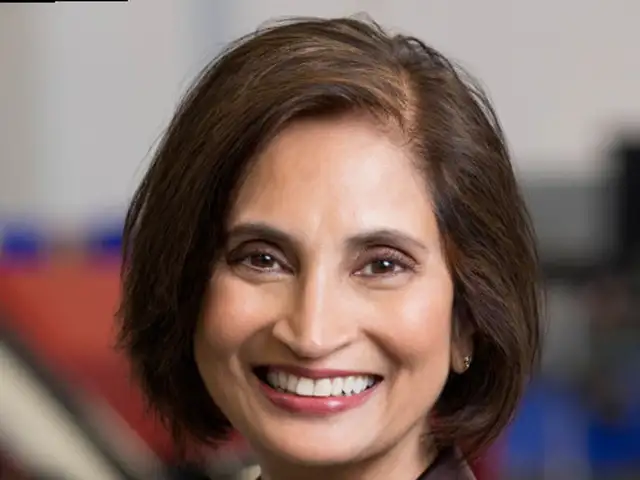
As her name suggests, Padmasree is a true warrior. A role model for girls, she is the former CEO of NIO U.S., a Chinese electric car company which is considered Tesla's biggest rival. She is currently a member of the Board of Directors at Microsoft and Spotify. In the past, Warrior has also worked with Cisco and Motorola. Motorola Inc received a National Medal of Technology in 2004 when she was the CEO of the company. With 1.46 million followers on Twitter, she continues to mentor scores of women who dream of building a career in the field of technology.
As her name suggests, Padmasree is a true warrior. A role model for girls, she is the former CEO of NIO U.S., a Chinese electric car company which is considered Tesla's biggest rival. She is currentl..
Read More
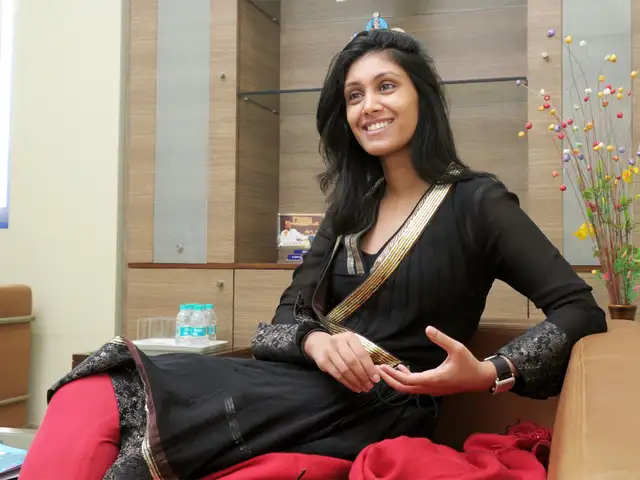
Roshni Nadar Malhotra is the HCL heiress and an IT stalwart. Born to Shiv Nadar and Kiran Nadar, Roshni was always sure of being a part of the empire that her parents created. She provides strategic guidance to HCL and is also closely associated with the philanthropic arm of the IT conglomerate. She manages to strike the perfect balance between her work, personal life and philanthropic activities with ease and efficiency. She became the CEO of the organisation at 28, and took a break when she became a mom to two doting sons. Promoting diversity in HCL is one of her biggest goals, and she hopes to see more women in the domain of technology.
Roshni Nadar Malhotra is the HCL heiress and an IT stalwart. Born to Shiv Nadar and Kiran Nadar, Roshni was always sure of being a part of the empire that her parents created. She provides strategic ..
Read More
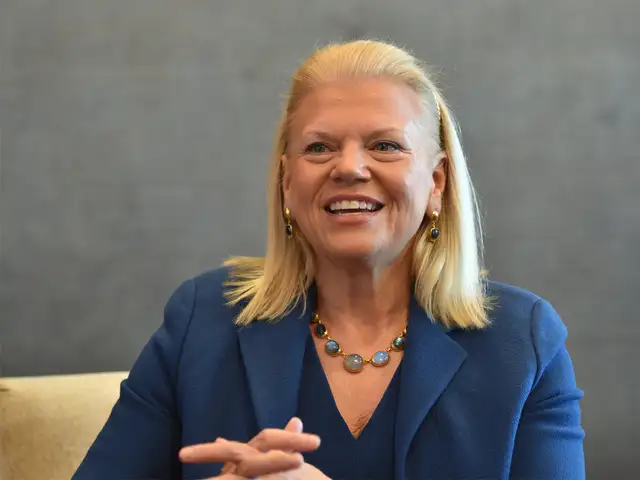
Rubbing shoulders with the men from the big, bad world of tech, Ginni Rometty has managed to carve a niche for herself in the technology industry. In a men-dominated industry, Rometty has been heading the computer giant since 2012. She has successfully featured in lists like, '50 Most Influential People in the World' and '50 Most Powerful Women in Business'. Ever since her leadership in IBM, she has managed to lead the company on the path of success. It was reported that the company was in the pits when she took over in 2012. Her commitment to diversity and inclusion has resulted in a sea change in IBM's work culture. The company offers extended parental leave to women, makes it easier for them return to the workforce, and encourages them to learn new skills to advance their careers. Thanks to their path-breaking work, last year, the company was recognised by the prestigious Catalyst Award for advancing diversity and women’s initiatives. In the past 20 years, it is the only tech company to have been recognised in this category, and the only company that was honoured four times.
Rubbing shoulders with the men from the big, bad world of tech, Ginni Rometty has managed to carve a niche for herself in the technology industry. In a men-dominated industry, Rometty has been headin..
Read More
A best-selling author and an inspiration to girls all over, Sheryl Sandberg has remained strong even in the face of adversity. While Facebook, Mark Zuckerberg have been struggling with the perils of Cambridge Analytics, Sandberg has been the Rock of Gibraltar for the social media giant. She made it to the 11th position on Forbes Power Women list 2018 and 12th spot on America's Self-Made Women 2018. She recently faced flak for Facebook's involvement in a privacy battle and election hacking, but that hasn't stopped the Facebook COO from aggressively promoting corporate feminism, and advocating #MeToo at work.
A best-selling author and an inspiration to girls all over, Sheryl Sandberg has remained strong even in the face of adversity. While Facebook, Mark Zuckerberg have been struggling with the perils of ..
Read More
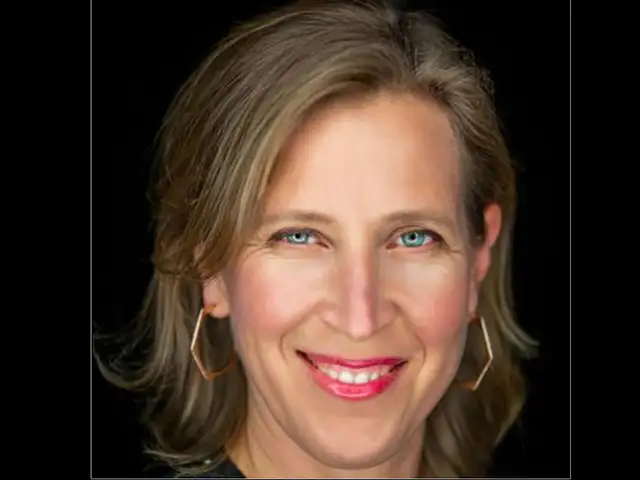
With an estimated net worth of $300 million, she began her career with a startup that co-founders Larry Page and Sergey Brin established in her Menlo Park garage. Since then, Wojcicki has been an integral part of Google. She was the first Google employee to get pregnant. After that, she took the opportunity to change the parental leave policy at the company. Maternity leave was increased from 18 to 12 weeks in 2007, which reduced the attrition rate of new moms. She hires more women, both at beginning and senior levels to create a continuous cycle of female employees, which in turn helps in improving the work-culture, and reduces attrition in the company.
With an estimated net worth of $300 million, she began her career with a startup that co-founders Larry Page and Sergey Brin established in her Menlo Park garage. Since then, Wojcicki has been an int..
Read More
Whitney Wolfe Herd's dating idea struck gold, and now she has a fortune of nearly $230 million. The app is valued at $1 billion. Herd was also the co-founder of Tinder which she left after claiming sexual harassment by her ex-boyfriend and Tinder co-founder, Justin Mateen. She completely changed how dating apps work with Bumble. In a world of dating apps, she empowered women to reach out to their matches first. Although, she was told that the idea didn't have much steam, nothing could stop her. And, the company's net worth speaks for itself.
Whitney Wolfe Herd's dating idea struck gold, and now she has a fortune of nearly $230 million. The app is valued at $1 billion. Herd was also the co-founder of Tinder which she left after claiming s..
Read More
Renee James began her career as a R&D engineer, and left the company as the President in 2015. She spent 28 years in the company, and now has her own start-up Ampere which she spearheads as the CEO.
Renee James began her career as a R&D engineer, and left the company as the President in 2015. She spent 28 years in the company, and now has her own start-up Ampere which she spearheads as the CEO.
When women achieve economic equality with men, it will contribute roughly $80 trillion to the global economy. Some studies even suggest that real wages rise with the increase in women labour force participation. A structured, documented methodology to reorient women should map the journey from mere intention to productive results.
Bolstering the Transition With all the mother-power that women bring to an organisation, the latter must be sensitive and empathetic to their needs. Rejoining work does not mean that women have left behind their roles as homemakers and mothers. It is important to help them walk the tightrope between both responsibilities. Providing lactation rooms at the workplace, creche facilities, flexible timings and an option to work from home recognises a woman's effort in straddling two roles and makes it a tad easier for them.
Taking on additional responsibilities at work sometimes leads to 'mom-guilt' - missing out on some events in the child's formative years. Many working mothers experiencing this guilt worry that they are not doing enough. Psychological and emotional support at the workplace can help them navigate through this phase.
Providing lactation rooms at the workplace, creche facilities, flexible timings and an option to work from home helps women juggle the two roles better. (Representative image.) Fuelling Different Ambitions A survey by Assocham Social Development Foundation found that 25% of women quit their jobs to raise their first child but refrained from returning to the same job in fear of discrimination. In addition to focussing on providing quality employment, it is equally important to nurture a quality work environment, because beyond the obvious economic benefits are the incalculable human ones. Women who work are more likely to invest in their children's upbringing and have more say in their development into responsible citizens.
Organisations can also channel tangible and intangible resources into helping women entrepreneurs who, after motherhood, decide to do something on their own. Starting an enterprise not just needs money but a psychosocial support network that can alleviate self-doubt and apprehension. Mentorship from successful women professionals can help boost confidence and make women go the extra mile.
TR Ramachandran is the Group Country Manager, India and South Asia, Visa. Globally, the rate of financial inclusion is linked to women's presence in management and leadership roles. Instances from other countries, including M-Pesa in Kenya and the Grameen Bank in Bangladesh, has shown that micropayments and microfinance have the potential to enable women entrepreneurs.
With India poised for economic growth, it must ensure that its labour force becomes ready for and fully inclusive of women at any life stage. Adoption of digital technology can help extend financial services to the rural areas, making work and skills more accessible.
Organisations must foster gender diversity and provide equal opportunity, by discouraging discriminatory practices and creating ladders for women to rise in job ranks across sectors. Conscious and unconscious biases must be acknowledged and dealt with so that discrimination, unequal pay and glass ceilings do not come in the way of one's success.
* The author is the Group Country Manager, India and South Asia, Visa.
Gita Gopinath, Pinelopi Goldberg: Women Economists Who Rule The World
1/6
In a changing world, women are matching strides with men, breaking barriers and setting new boundaries. As workplaces become more inclusive and diverse, we see women taking charge across the sectors.
The world of finance and economics, too, has seen the rise of woman power. Women economists, across latitudes, are calling the shots in leading global financial organisations. From the World Bank to the International Monetary Fund, it's women all the way.
Here's looking at these power bosses, and their inspiring journeys to the top.
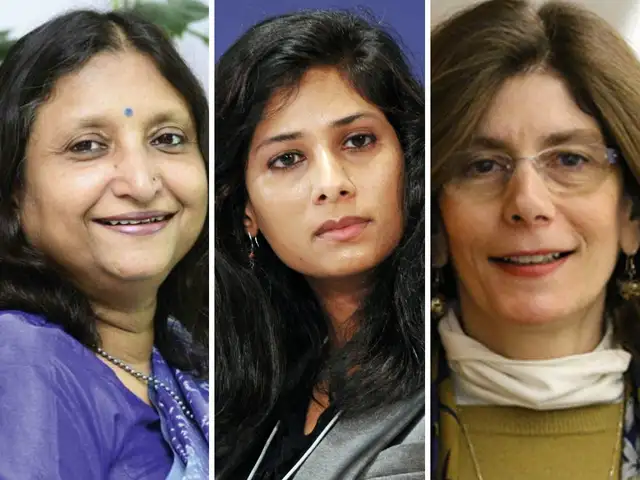
In Pic (l to r): Anshula Kant, Gita Gopinath and Pinelopi Koujianou Goldberg.
In a changing world, women are matching strides with men, breaking barriers and setting new boundaries. As workplaces become more inclusive and diverse, we see women taking charge across the sector..
Read More
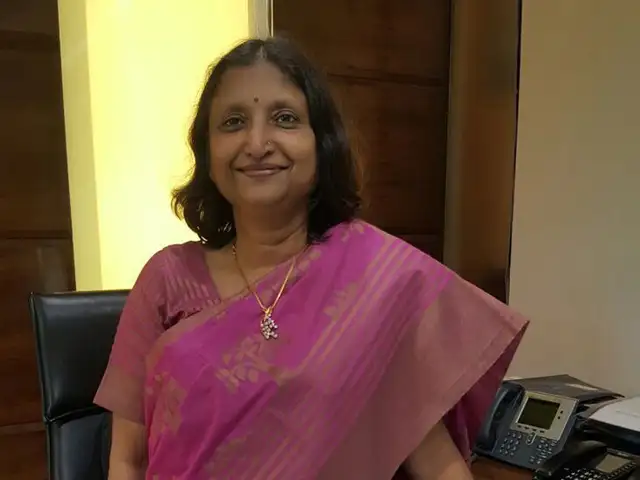
State Bank of India (SBI) Managing director Anshula Kant recently made history when she was named MD and Chief Financial Officer (CFO) of the World Bank. The appointment makes her the first woman CFO of the international body.
Born on September 7, 1960, Kant - who grew up in Roorkee - has been with the SBI for over 35 years, having joined the bank in 1983 as a probationary officer. A Lady Shri Ram College and Delhi School of Economics alumna, Kant rose through the ranks during her tenure at SBI, where she previously also served as CFO. As CFO, she managed USD 38 billion of revenues and total assets of USD 500 billion. The mother-of-two, she has a son (who lives in New York) and a daughter (based in Singapore) with her CA husband, also served as the CEO of the Singapore unit of SBI.
In her new role, Kant will be responsible for financial and risk management of the World Bank Group and reporting to its president David Malpass.
State Bank of India (SBI) Managing director Anshula Kant recently made history when she was named MD and Chief Financial Officer (CFO) of the World Bank. The appointment makes her the first woman CFO..
Read More
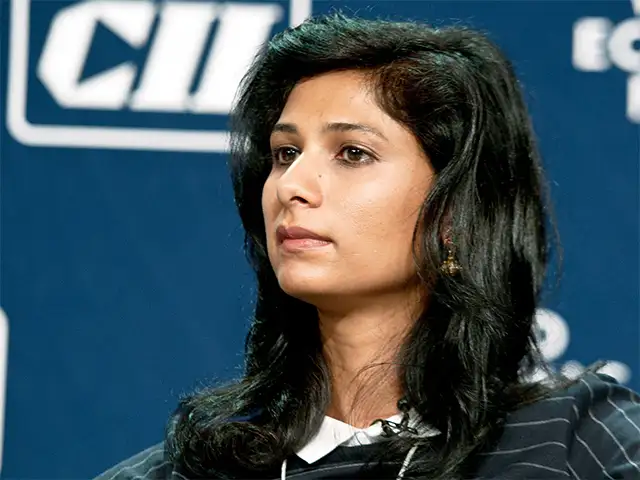
India-born Gita Gopinath’s appointment as the chief economist of the International Monetary Fund (IMF) in October 2018 made her the first woman, and second Indian after former RBI governor Raghuram Rajan, to hold the position.
Born on December 8, 1971, in then Calcutta, during the Bangladesh war, Gopinath’s family moved to Mysore when she was nine – and enrolled her in Nirmala Convent school. She later joined Mahajana PU college in Mysuru and pursued science, before moving to Delhi to study economics at Lady Shiram College and later at the Delhi School of Economics – where she met her now-husband Iqbal Singh Dhaliwal, with whom she has a son.
Having completed another M.A. from the University of Washington, Gopinath – who at one time loved athletics but gave it up to concentrate on her studies - did her PhD in Economics from Princeton University.
Gopinath worked at the University of Chicago in 2001 as an assistant professor, before moving to Harvard where she became a tenured professor in 2010. Gopinath is now on leave of public service from Harvard University’s Economics department where she is the John Zwaanstra Professor of International Studies and of Economics. The 46-year-old is the third woman, and second Indian after Nobel laureate Amartya Sen to be made a permanent member of the economics department at Harvard.
In 2016, Gopinath was appointed by the CPM-led LDF government in Kerala as financial advisor to chief minister Pinarayi Vijayan, but she stepped down from the position in 2018.
India-born Gita Gopinath’s appointment as the chief economist of the International Monetary Fund (IMF) in October 2018 made her the first woman, and second Indian after former RBI governor Raghuram..
Read More
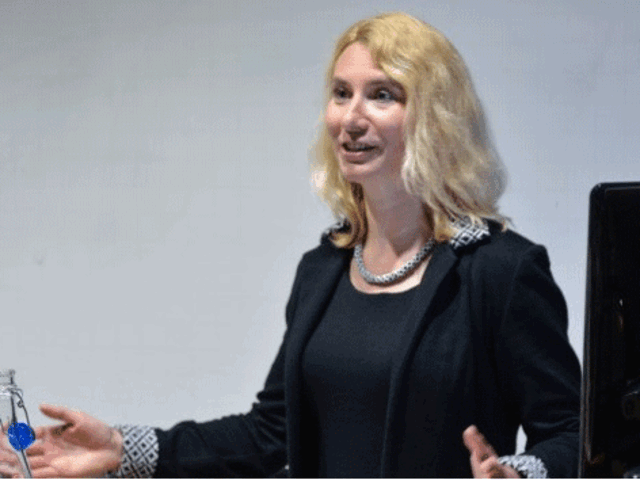
When Pinelopi Koujianou Goldberg was appointed the World Bank’s Chief Economist in April last year, she became just the second woman – and first Greek – to hold the position. But the 56-year-old Elihu Professor of Economics at Yale University (she joined the faculty in 2001) was once rejected from the bank for an internship, according to a report in The National Herald.
As an undergraduate student in Germany, Goldberg had applied for an internship at the World Bank, but got a letter saying that she wouldn’t even be considered till she had a doctorate. And that pushed Goldberg to leave home for the US to pursue her PhD.
Born in Athens in 1963, she studied at the German High School of Athens, and gained a Diploma from the University of Freiburg, Germany, before getting her Ph.D from Stanford University.
Goldberg’s illustrious career included various roles in academia (she has previously served on the economics faculty at Princeton and Columbia), apart from her several roles in the economic community.
From 2011-2017, she was also the Editor-in-Chief of the American Economic Review. A member of the American Academy of Arts and Sciences, she is a recipient of both Guggenheim Memorial Foundation and Sloan Research Fellowships, and also won the Bodossaki Prize in Social Sciences - among her various awards and recognition.
(Image:Yale University)
When Pinelopi Koujianou Goldberg was appointed the World Bank’s Chief Economist in April last year, she became just the second woman – and first Greek – to hold the position. But the 56-year-old El..
Read More
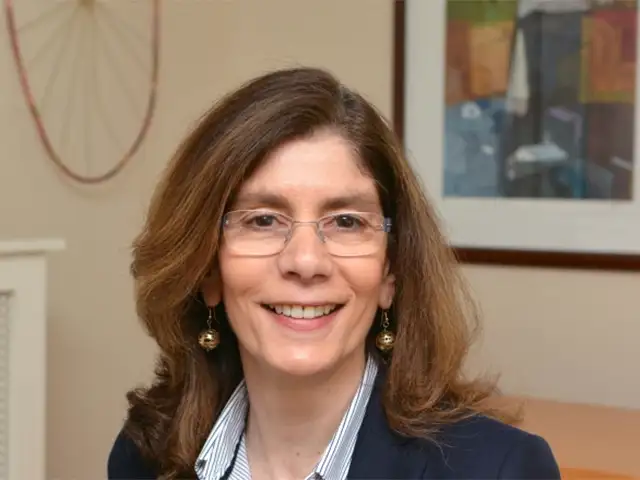
In its recent appointment of Beata Javorcik, the European Bank for Reconstruction and Development (ERBD) got its first woman chief economist. The Polish national, who has a Ph.D. in Economics from Yale, will join the bank on September 1.
Javorcik was also the first woman to hold a Statutory Professorship in Economics at the University of Oxford. Prior to joining Oxford, she worked at the World Bank in Washington DC.
She is also a managing editor of the quarterly Economic Policy,and a member of the Royal Economic Society’s Executive Committee, apart from being a Director of the International Trade Programme at the Centre for Economic Policy Research in London.
In its recent appointment of Beata Javorcik, the European Bank for Reconstruction and Development (ERBD) got its first woman chief economist. The Polish national, who has a Ph.D. in Economics from Ya..
Read More
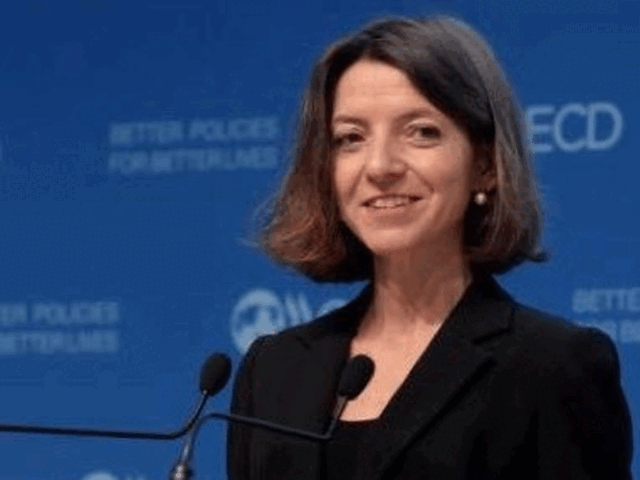
Laurence Boone, former chief economist at insurer AXA, was last year appointed as the chief economist at Organisation for Economic Co-operation and Development (OECD) – where she had also served from 1998-2004. The French national, with a PhD in Applied Economics from the London Business School, began her career at Merrill Lynch Asset Management.
Equipped with a Master's Degree in Econometrics & Macroeconomic Modelling from Reading University and another Master's Degree in Economics from Université Paris X Nanterre, her other positions have included Chief Economist at Barclays Capital France and Managing Director of European Economic research at Bank of America Merrill Lynch.
Between 2014 and 2016, she was advisor to former President Francois Hollande.
Laurence Boone, former chief economist at insurer AXA, was last year appointed as the chief economist at Organisation for Economic Co-operation and Development (OECD) – where she had also served from..
(Disclaimer: The opinions expressed in this column are that of the writer. The facts and opinions expressed here do not reflect the views of www.economictimes.com.)
Business News › Magazines › Panache › Flexible timings, crèche facilities: What cos can do to bring mothers back to the workforce, and why it's good for businessText Size:AAA