HarmonyOS to be available for smartphones next year as Huawei creates its own ecosystem
The OS was earlier used only with certain products including smart TV, wearable devices.
By AFP | Updated:
Reuters
The smartphone-maker built an alternative app ecosystem after the US barred it from using Android.
SHANGHAI: Chinese telecom giant Huawei on Thursday said its nascent homegrown operating system could be available on smartphones early next year, as it pushes to build an alternative app ecosystem after the US barred it from using Google's Android.
The source code for HarmonyOS will be made available beginning in December to software developers who create apps for smartphones, said Yu Chengdong, CEO of Huawei's consumer products division.
HarmonyOS is so far used only with certain products including smart TVs, in-car entertainment systems and wearable devices, not the company's smartphones.
Huawei is the number-two smartphone producer in the world after Samsung, but tech market analysis firm Canalys said Huawei surpassed the South Korean company in the virus-affected second quarter.
Huawei is facing an intense campaign by the United States to isolate the firm, saying it poses a cybersecurity threat. Both Huawei and China's government deny the accusation.
The US has been pushing allies to shun products made by Huawei, which is also the global market leader for 5G and other telecom-network equipment.
ADVERTISEMENT
A hostess presents a Huawei P40 Pro smartphone at theHuawei booth of during the Internationale Funkausstellung IFA international trade show for consumer electronics and home appliances on September 3, 2020 in Berlin. The Trump administration has essentially barred Huawei from the US market and introduced a series of steadily escalating moves to cut off its access to the computer chips and other technology the company needs to survive.
Huawei's announcement on HarmonyOS was made at an annual software developers conference that it organises at its headquarters in the southern Chinese city of Shenzhen.
The move indicates Huawei intends to push ahead with plans to create its own ecosystem, a challenge analysts say is daunting in a world dominated by Android and Apple's iOS.
ADVERTISEMENT
Yu, however, expressed hope that China's huge smartphone market, the world's largest, could remain a safe space and a platform for drawing global users to HarmonyOS.
"We are dedicated to introducing Chinese developers' work to global consumers, hoping to see more TikToks in the future," said Yu, a reference to the wildly popular Chinese-owned short-form video app that also is now in Trump's crosshairs.
ADVERTISEMENT
Yu also said overseas developers could continue to find a large market among Chinese users via HarmonyOS.
"We would like to be the bridge in between," he said.
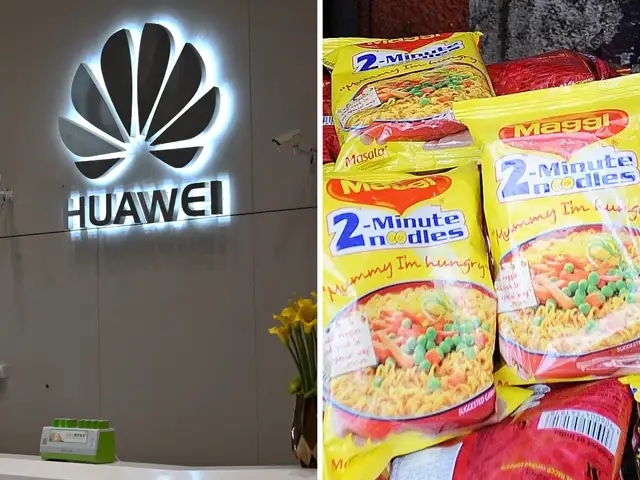
From Huawei In US To Maggi In India: Brands That Faced Country-Specific Bans
1/6
While the Huawei ban in the US triggers a trade war with China, here are other companies that faced country-specific bans.
While the Huawei ban in the US triggers a trade war with China, here are other companies that faced country-specific bans.
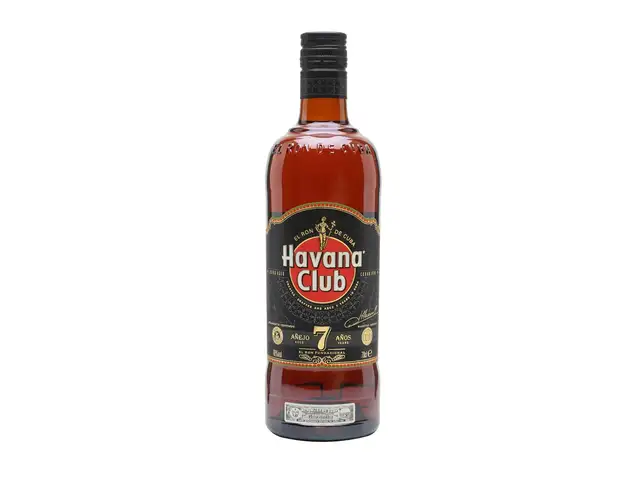
Cuba Libre is a staple cocktail, but Cuba’s signature rum — Havana Club — has been outlawed from liquor stores in the US. The ban dates back to the revolution that brought Fidel Castro to power. The Havana Club brand has been coowned by French company Pernod Ricard and the Cuban government since 1993. The recipe was crafted by the Arechabala family, which owned the brand since its inception in 1934. They were, however, forced out as the company was appropriated in a nationalisation drive. In 1994, the Arechabalas sold the recipe to erstwhile rival Bacardi, which was forced to shift base to Puerto Rico after the communist revolution. Since then, Bacardi has been selling its own version of the rum under the disputed trade name.
Cuba Libre is a staple cocktail, but Cuba’s signature rum — Havana Club — has been outlawed from liquor stores in the US. The ban dates back to the revolution that brought Fidel Castro to power. The ..
Read More
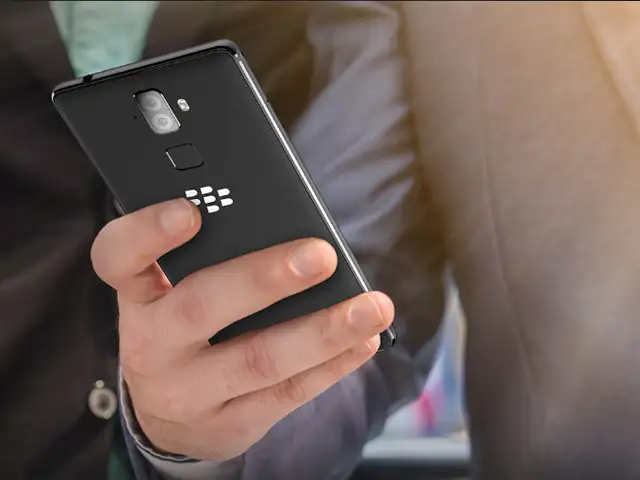
In July 2 015, the Pakistan government ruled that Canadian telecommunications firm Blackberry would have to shut down operations in the country as its data traf fic was routed through an enterprise server outside the ambit of state surveillance authorities. Blackberry uses strong encryption for protecting users’ data, preventing intelligence agencies from accessing messages and search logs. The ban was revoked in January 2016.
In July 2 015, the Pakistan government ruled that Canadian telecommunications firm Blackberry would have to shut down operations in the country as its data traf fic was routed through an enterprise s..
Read More
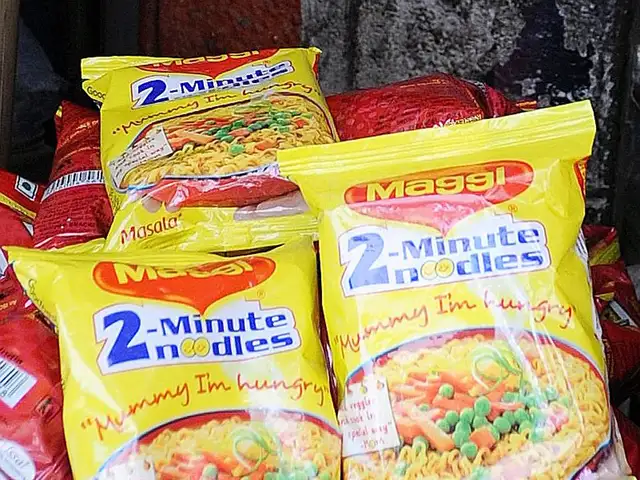
On June 3, 2015, the Delhi government banned Maggi instant noodles after tests found lead and monosodium glutamate beyond the permissible limit. Subsequently, the Food Safety and Standards Authority of India (FSSAI) imposed a nationwide ban on Maggi. The Bombay High Court eventually lifted the ban, paving the way for Maggi to return to the market in 2016.
On June 3, 2015, the Delhi government banned Maggi instant noodles after tests found lead and monosodium glutamate beyond the permissible limit. Subsequently, the Food Safety and Standards Authority ..
Read More
In March 2014, Iran blocked WhatsApp saying its parent company Facebook’s CEO and founder Mark Zuckerberg was an ‘American Zionist’. Incidentally, WhatsApp was co-founded by Jan Koum, an Ukranian Jewish refugee who moved to the US from Kiev in 1992. Tehran, which has been at loggerheads with US ally Israel, said that Jewish business interests that control tech companies were leveraging their influence to destabilise the theocratic regime.
In March 2014, Iran blocked WhatsApp saying its parent company Facebook’s CEO and founder Mark Zuckerberg was an ‘American Zionist’. Incidentally, WhatsApp was co-founded by Jan Koum, an Ukranian Jew..
Read More
In June 2016, days after his inauguration, Philippines President Rodrigo Duterte pledged to ‘clean up’ Filipino society. He mandated the country’s police to crack down on drug trade and tackle homosexuality — a crime punishable with the death sentence. In January 2017, the government decreed a ban on Pornhub in an effort to stop child pornography. Ironically, the age of consent in the Philippines is 12 years. The decision to scrub pornographic content from the country’s networks came on the back of a 2016 Pornhub survey that found that Filipinos were the most avid viewers of X-rated content on its platform. On an average, Filipinos spent 12 minutes and 45 seconds per session – two minutes more than South Africans, who came second.
In June 2016, days after his inauguration, Philippines President Rodrigo Duterte pledged to ‘clean up’ Filipino society. He mandated the country’s police to crack down on drug trade and tackle homose..