Guru Purnima, Apollo 11 anniversary: What makes today's lunar eclipse special
The Moon will enter penumbra after 1.31 am and will be at its peak after 3.00 am.
By ET Online | Updated:

Getty Images
Tonight, the world is set to witness a partial lunar eclipse when the Moon passes through the Southern half of the Earth. NASA reports that the eclipse will be visible in South America, Africa, Australia, Europe and Asia. Indians, too, shall be able to see the event around midnight, from 12.13 am to 4.30 am tomorrow. What makes this lunar eclipse special is that it coincides with two major events. It marks the 50th anniversary of the Apollo 11, mankind's first mission to the Moon. And, in India, it coincides with Guru Purnima after 149 years. This is why today's eclipse holds religious significance in the country.
The Moon will enter penumbra after 1.31 am and will be at its peak after 3.00 am. Those residing in the western and central areas will witness the full eclipse. The rest will be exposed to a partial version of the same. Today's eclipse will be the last one this year, the following eclipse is likely to take place in January next year. Unlike solar eclipses, lunar eclipses can be seen without a telescope and involve no risk of eye damage.
Also read: On Guru Purnima, Tendulkar, Kambli remember the man who taught them ABCD of cricket
A lunar eclipse refers to a state in which the Earth gets aligned between the Moon and Sun. As a result, the planet casts a shadow on the moon which makes some part of it invisible to humans. Today eclipse will witness only 60% of the Moon's surface obscured by the Earth's shadow. A complete lunar eclipse only takes place on full Moon nights and are very rare as they need all celestial bodies to be perfectly aligned with each other. The next full lunar eclipse will take place on May 26, 2021.
The Guru Purnima is a spiritual tradition in Hindu culture that honours spiritual and academic teachers who share their wisdom with no monetary expectation and enlighten humans.
NASA's Apollo 11 mission was launched on July 16, 1969 and placed the first humans on the Moon four days after its landing.
Did you know these facts about lunar eclipses?
1. Atleast two partial lunar eclipses happen every year.
2. An eclipse may appear blood red, gray or rusty red in colour.
3. The colour of eclipse depends on the weather conditions of an area.
The Moon will enter penumbra after 1.31 am and will be at its peak after 3.00 am. Those residing in the western and central areas will witness the full eclipse. The rest will be exposed to a partial version of the same. Today's eclipse will be the last one this year, the following eclipse is likely to take place in January next year. Unlike solar eclipses, lunar eclipses can be seen without a telescope and involve no risk of eye damage.
Also read: On Guru Purnima, Tendulkar, Kambli remember the man who taught them ABCD of cricket
A lunar eclipse refers to a state in which the Earth gets aligned between the Moon and Sun. As a result, the planet casts a shadow on the moon which makes some part of it invisible to humans. Today eclipse will witness only 60% of the Moon's surface obscured by the Earth's shadow. A complete lunar eclipse only takes place on full Moon nights and are very rare as they need all celestial bodies to be perfectly aligned with each other. The next full lunar eclipse will take place on May 26, 2021.
The Guru Purnima is a spiritual tradition in Hindu culture that honours spiritual and academic teachers who share their wisdom with no monetary expectation and enlighten humans.
NASA's Apollo 11 mission was launched on July 16, 1969 and placed the first humans on the Moon four days after its landing.
ADVERTISEMENT
Did you know these facts about lunar eclipses?
1. Atleast two partial lunar eclipses happen every year.
2. An eclipse may appear blood red, gray or rusty red in colour.
3. The colour of eclipse depends on the weather conditions of an area.
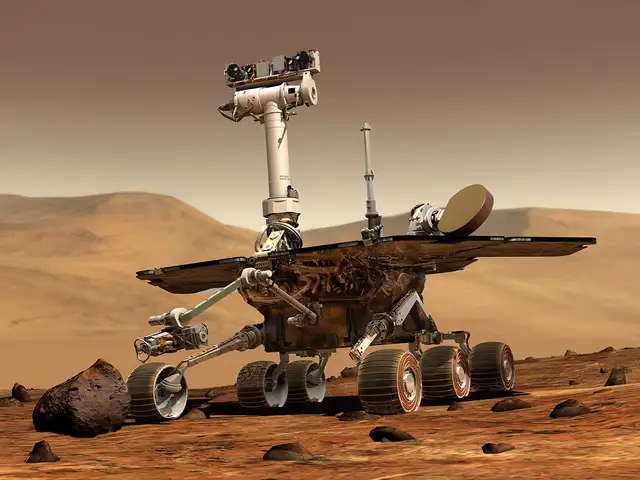
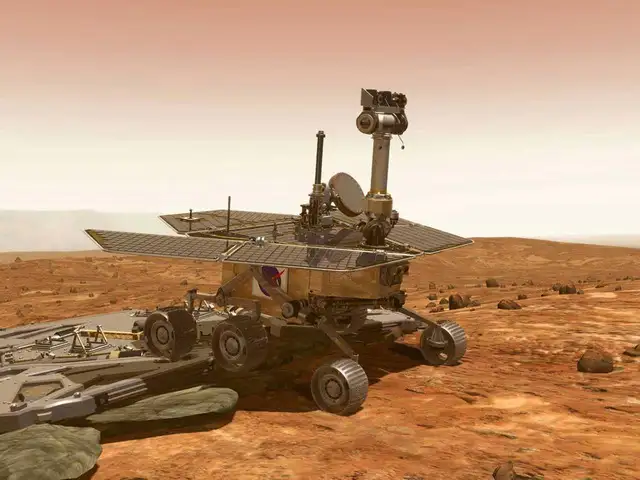
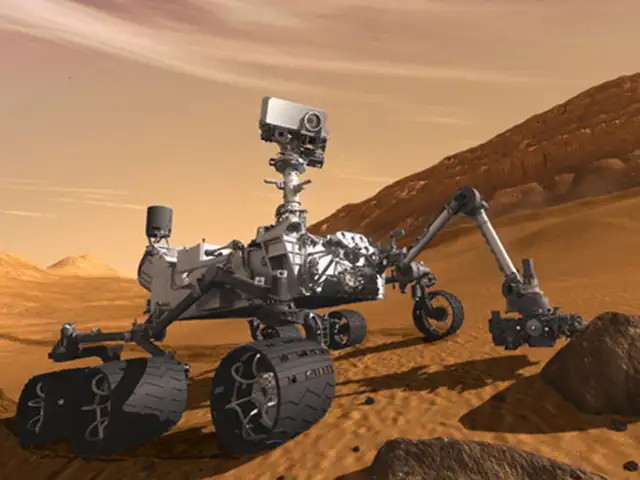
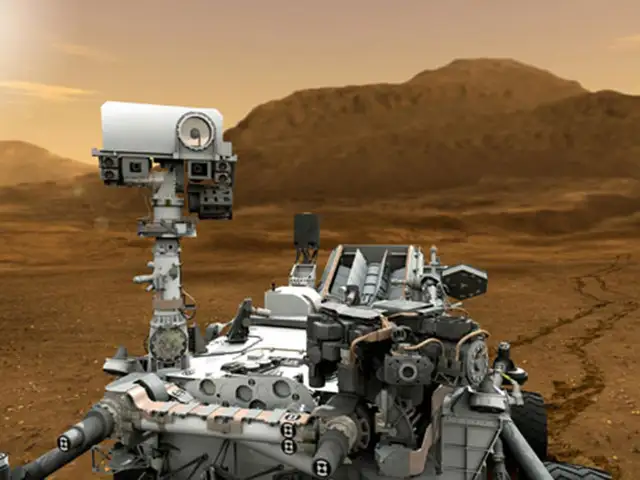
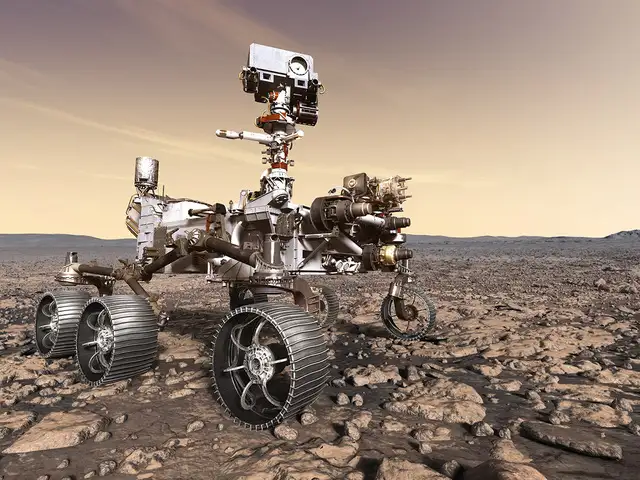
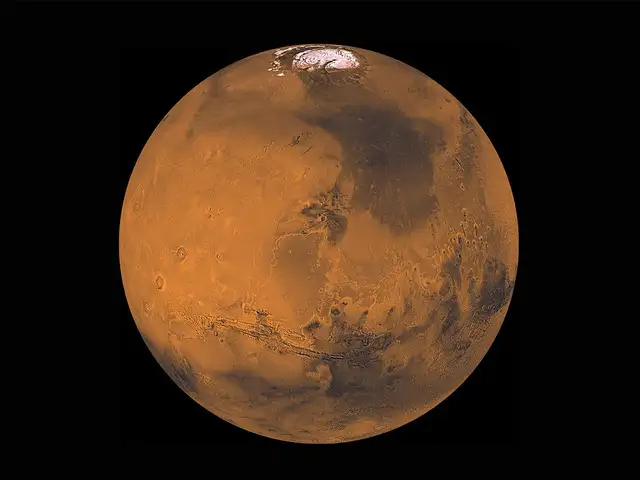
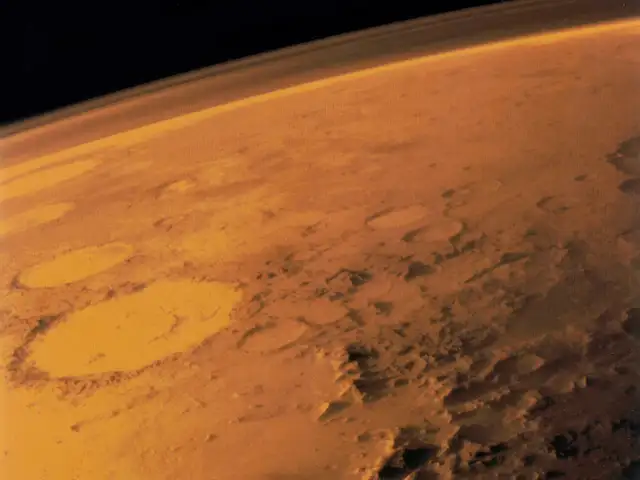
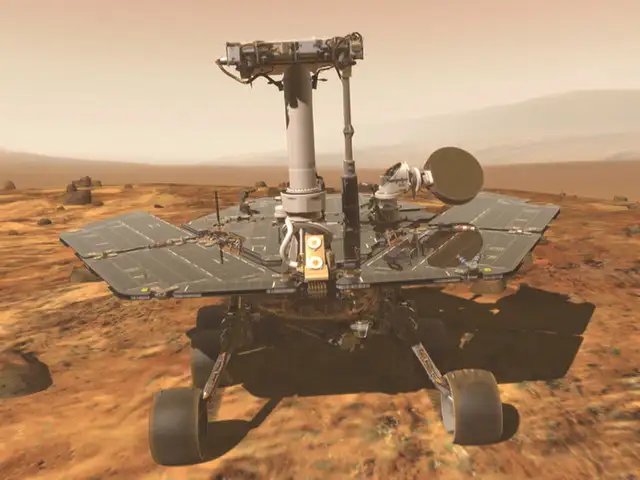
NASA recently said goodbye to robot geologist Opportunity after a Marswide dust storm put an end to its successful and enduring feats of interplanetary exploration. Check out a few glimpses of its extraterrestrial travel that’s more than the distance of a marathon on the Red Planet.

Download
The Economic Times Business News App for the Latest News in Business, Sensex, Stock Market Updates & More.
The Economic Times Business News App for the Latest News in Business, Sensex, Stock Market Updates & More.
ADVERTISEMENT


