Green movement sweeps the spirits world: ‘Solar power’ vodkas, wine that absorbs CO2 in demand
Luxury wine companies are showing off their eco-conscious credentials.
By Bloomberg |
AFP
A large number of distilleries are now going eco-friendly.
By Elin McCoy
Amid the coronavirus pandemic, climate change still demands global attention, which is why a green movement is sweeping the wine and spirits world.
Did you know that synthetic bioluminescence from bacteria could make lighting in wineries more sustainable? Or that distillers can use solar power to create vodka out of thin air and water? These are among the surprising things I learned at a forum on wine and climate change at Vinexpo Paris in February, before social distancing became a way of life and air travel a memory.
At the three-day Living Soils Forum sponsored by industry giant Moët Hennessy, we sat on benches crafted from used barrel staves in a huge space enclosed by recyclable cork walls, sipping wine and listening to international climate scientists, winemakers, and environmental consultants discuss the multibillion-dollar wine industry’s future. (Full disclosure: I spoke on a panel about organic certification).
Naturally, it was also a way for the luxury drinks company to show off its eco-conscious credentials, which were more extensive than I realized. Chief Executive Officer Philippe Schaus announced that all the vineyards Moët Hennessy owns in Champagne will be free of herbicides by the end of 2020. This is a big deal, given that its brands produce millions of bottles of bubbly (even if other Champagne houses, such as grande marque Roederer, which makes Cristal, are ahead in embracing organic and biodynamic viticulture). Moët Hennessy is also investing €20 million ($21.8 million) in a new sustainability research center in the region, meant to explore everything from recycling water to lowering carbon emissions. At the three-day Living Soils Forum sponsored by industry giant Moët Hennessy, we sat on benches crafted from used barrel staves in a huge space enclosed by recyclable cork walls, sipping wine. Here are the highlights from the forum’s 15 panels.
ADVERTISEMENT
Biodiversity matters
At the center of the new agriculture is “living soil” that’s high in organic matter to hold nutrients and water and with the microbial diversity to protect vines against pests and diseases, rather than relying on chemical pesticides and herbicides. Increasing organic matter by 1% can also more than double the water capacity of the soil.
Fostering biodiversity is key to achieving this. Nicolas Blain of Reforest’Action in France insisted, “The forest is the future,” because forests are home to 80% of the world’s terrestrial biodiversity. Which is why Château Anthonic in Bordeaux is investing in agro-forestry, planting trees among the vines, as was done in the past.
Rethinking packaging
The next time you contemplate buying a super heavy bottle of wine, think again. Glass packaging and transportation of bottles account for about two-thirds of the wine industry’s carbon footprint.
Systembolaget, Sweden’s government-owned chain of liquor stores, has been encouraging wineries to use sustainable packaging, according to the chain’s purchasing manager Johan Lund. More than 50% of its sales are for box wines, much better for the environment from the perspectives of weight and carbon used in shipping—although the impact of introducing more plastic liners in place of recyclable glass raises other questions.
ADVERTISEMENT
Even luxury brands are becoming eco-conscious. While many Champagne brands come in heavy cardboard or wooden gift boxes, Ruinart will debut new eco-packaging later this year. Nine times lighter than a fancy box, it’s made of recyclable, textured, molded paper and fits tightly around a Ruinart bottle as if it were a stylish, elegant coat.
Transforming Carbon Emissions
A panel that featured creative ways to capture carbon dioxide emissions and transform them into usable products opened eyes. One bottle of Air Co. vodka ($65) made in Brooklyn, N.Y., soaks up as much carbon dioxide from the atmosphere as eight fully grown trees—about a pound. The company says its use of solar power in its carbon capture machines makes Air Co. the world’s first carbon-negative distillery. The company is a finalist for the NRG Cosia Carbon Xprize of $20 million, explained Nikki Batchelor, the prize’s director of operations and impact.
ADVERTISEMENT
In other efforts, Bordeaux château Smith Haut Lafitte is capturing the CO2 released into the atmosphere during fermentation and turning it into baking soda used in its Michelin-starred restaurant.
Adapting Isn’t an Option Vineyards producing one of the famous wines of the Bordeaux region at Saint-Emilion, near Bordeaux, southwestern France.
“Escalating temperatures are simply the new normal,” warned Angel Hsu, a professor of environmental studies at Yale-National University in Singapore. Climate data is figured on a global average, and warming will be much worse in some wine regions.
“For a time, warming had a positive effect in Bordeaux, but now it will have a negative impact,” explained Kees van Leeuwen, a professor of viticulture in Bordeaux. “Wines have higher levels of alcohol, and aromas are turning from fresh to cooked fruit. We taste climate change with every glass.”
Like many wine scientists, he’s been exploring ways to adapt by modifying vineyard techniques and exploiting the diversity of wine grapes, swapping familiar varieties for hardier ones. At the VitAdapt project at the Institut des Sciences de la Vigne et du Vin (ISVV) near Bordeaux, his team planted 52 varieties, such as tinta cao (from Portugal) and assyrtiko (Greece), in a one-hectare experimental vineyard to determine which are tough enough to withstand drought, soaring temperatures, and new diseases while remaining appealing to drink.
Saving Water Is Essential
Grapevines require less water than many crops, but water is scarce in some wine regions, and things will get worse, warned Hervé Birnie-Scott, estate director at Terrazas de los Andes and Cheval des Andes in Argentina. In Mendoza, snowmelt from glaciers in the Andes feeds streams that water the vines; with glaciers shrinking, river flow is half what it was 20 years ago. “In the future, we may have to abandon vineyards and wineries in historical areas where water is scarce,” he said.
Israel was the pioneer of drip irrigation, a way to save water by allowing it to drip slowly to the roots of the plants, explained Naty Barak, director of sustainability at Orbia, a Mexico City-based company that includes a unit specializing in precision agriculture that originated in Israel. Digital monitors and sensors will allow even less water to be used, and reusing wastewater will be common. Fetzer Vineyards in Mendocino, Calif., is trialing a Chilean invention named BioFiltro, a process of spraying wastewater into giant bins filled with earthworms that clean water in four hours.
As Schaus said in his introduction to the forum: “Everything has to change, so nothing changes.”
Let’s help it along, wine lovers.
Wine deal this week:
On April 14 and April 15, starting at 10 a.m. West Coast time, Napa Valley Vintners will offer 300 wines ordinarily not available outside winery tasting rooms. Highlights include former race car driver Danica Patrick’s 2012 Somnium Cabernet, Tor’s 2016 Tierra Roja Vineyard Cabernet Sauvignon, and Mayacamas Cabernet from 2003 and from 2005.
A lot of what you hear or read about the coronavirus may be myths. WHO data busts a few common misconceptions.
A lot of what you hear or read about the coronavirus may be myths. WHO data busts a few common misconceptions.
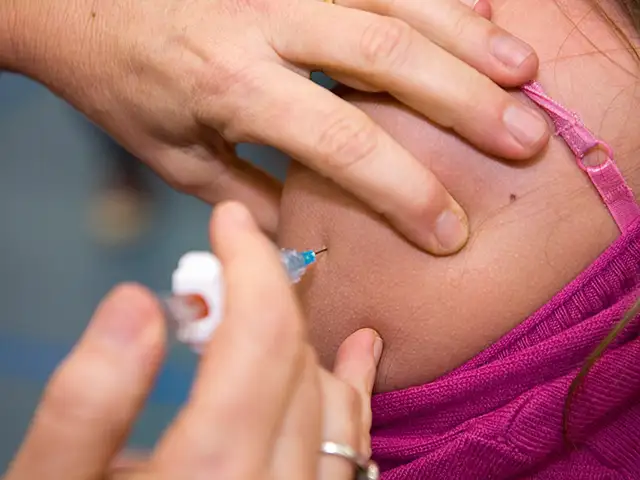
Myth: Pneumonia vaccines will protect you against coronavirus.
Reality: Vaccines against pneumonia, such as pneumococcal vaccine and Haemophilus influenza type B (Hib) vaccine, do not provide protection against coronavirus. The virus is so new and different that it needs its own vaccine. Researchers are trying to develop a vaccine against 2019-nCoV, and WHO is supporting their efforts. However, while they are not effective against 2019-nCoV, vaccination against respiratory illnesses is highly recommended to protect your health.
Myth: Pneumonia vaccines will protect you against coronavirus.
Reality: Vaccines against pneumonia, such as pneumococcal vaccine and Haemophilus influenza type B (Hib) vaccine, do not provide protec..
Read More
Myth: Ultraviolet disinfection lamp can kill the coronavirus.
Reality: UV lamps should not be used to sterilise hands or other areas of skin. Far from killing the virus, the UV radiation can actually cause skin irritation.
Myth: Ultraviolet disinfection lamp can kill the coronavirus.
Reality: UV lamps should not be used to sterilise hands or other areas of skin. Far from killing the virus, the UV radiation can actuall..
Read More
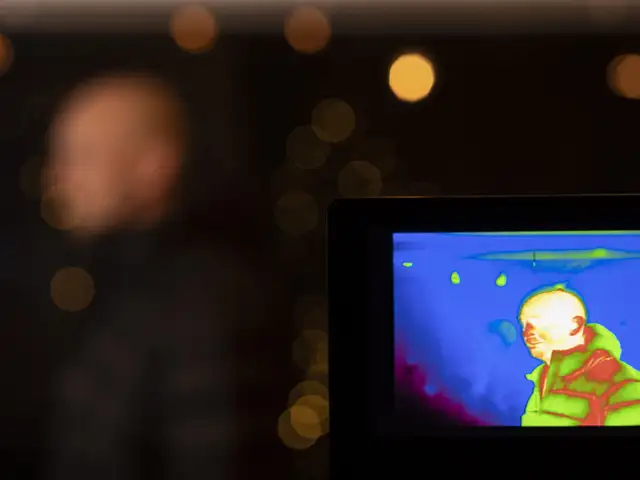
Myth: Thermal scanners can help detect infected people.
Reality: Thermal scanners are effective in detecting people who have developed a fever due to the coronavirus infection. However, they cannot detect people who are infected but are not yet sick with the fever. This is because it takes between two and 10 days before people who are infected become sick and develop a fever.
Myth: Thermal scanners can help detect infected people.
Reality: Thermal scanners are effective in detecting people who have developed a fever due to the coronavirus infection. However, they cannot ..
Read More
Myth: Spraying alcohol or chlorine all over the body kill the coronavirus.
Reality: Spraying alcohol or chlorine all over your body will not kill viruses that have already entered your body. In fact, spraying such substances can be harmful to clothes or mucous membranes (ie eyes, mouth). Be aware that both alcohol and chlorine can be used to disinfect surfaces, but they need to be used under appropriate recommendations.
Myth: Spraying alcohol or chlorine all over the body kill the coronavirus.
Reality: Spraying alcohol or chlorine all over your body will not kill viruses that have already entered your body. In fact..
Read More
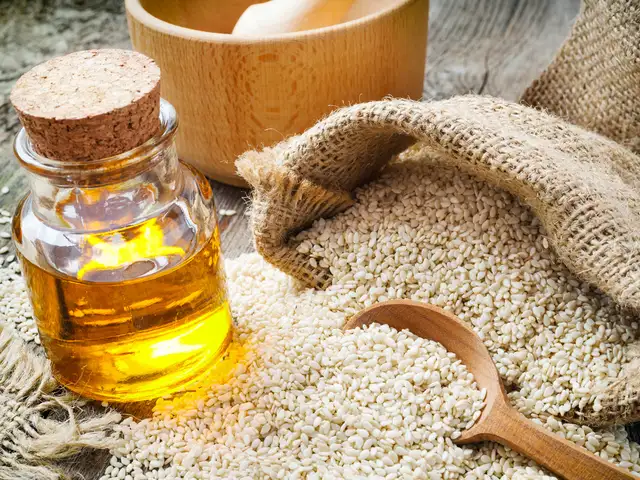
Myth: Putting on sesame oil will block the coronavirus from entering the body.
Reality: Sesame oil does not kill coronavirus. There are some chemical disinfectants that can kill the 2019-nCoV on surfaces. These include bleach or chlorine-based disinfectants, solvents, 75 per cent ethanol, peracetic acid and chloroform. However, they have little or no impact on the virus if you put them on the skin or under your nose. It can even be dangerous to put these chemicals on your skin.
Myth: Putting on sesame oil will block the coronavirus from entering the body.
Reality: Sesame oil does not kill coronavirus. There are some chemical disinfectants that can kill the 2019-nCoV on sur..
Read More
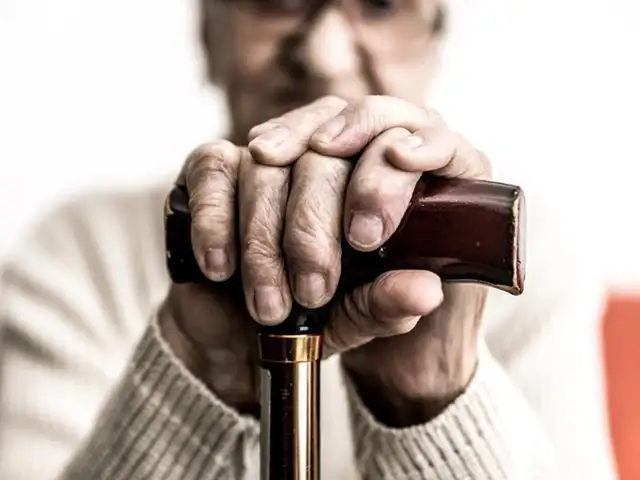
Myth: Coronavirus mainly affects older people.
Reality: People of all ages can be infected by the 2019-nCoV. Older people, and people with preexisting medical conditions [such as asthma, diabetes, heart disease] appear to be more vulnerable. But WHO has advised people of all ages to take steps to protect themselves from the virus.
Myth: Coronavirus mainly affects older people.
Reality: People of all ages can be infected by the 2019-nCoV. Older people, and people with preexisting medical conditions [such as asthma, diabetes, h..
Read More
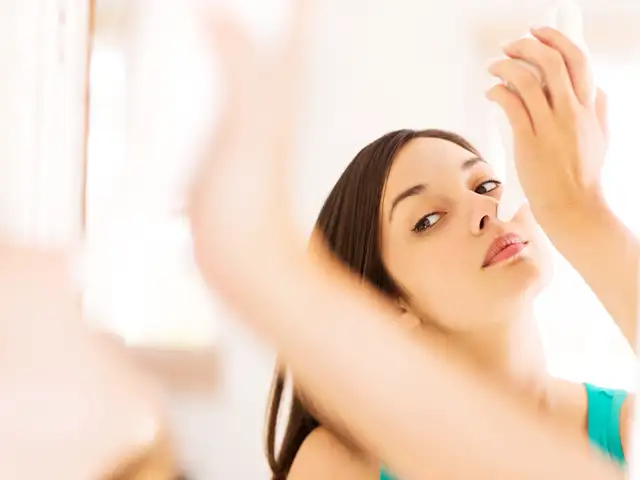
Myth: Rinsing your nose with saline will help prevent coronavirus infection.
Reality: There is no evidence that regularly rinsing the nose with saline has protected people from a coronavirus infection. But there is some limited evidence that regularly rinsing nose with saline can help people recover more quickly from a common cold. However, regularly rinsing the nose has not been shown to prevent respiratory infections.
Myth: Rinsing your nose with saline will help prevent coronavirus infection.
Reality: There is no evidence that regularly rinsing the nose with saline has protected people from a coronavirus infecti..
Read More
Myth: It’s not safe to receive letters or packages from China.
Reality: It is safe to receive letters and packages from China. People receiving packages from China are not at risk of contracting the coronavirus. From previous analysis, we know that coronaviruses do not survive long on objects such as letters or packages.
Myth: It’s not safe to receive letters or packages from China.
Reality: It is safe to receive letters and packages from China. People receiving packages from China are not at risk of contracting the..
Read More
Myth: Pets at home can spread the coronavirus
Reality: At present, there is no evidence that companion animals or pets such as dogs or cats can be infected with the coronavirus. However, it is always a good idea to wash your hands with soap and water after contact with these pets. This will protect you against various common bacteria such as E.coli and Salmonella that can pass between pets and humans.
Myth: Pets at home can spread the coronavirus
Reality: At present, there is no evidence that companion animals or pets such as dogs or cats can be infected with the coronavirus. However, it is alway..