Good news for epileptic patients: Implanting new device in brain can prevent seizures
The researchers used a neurotransmitter which acts as the 'brake' at the source.
By PTI |
Getty Images
The device can detect, stop and even prevent epileptic seizures
LONDON: A new electronic device implanted directly into the brain can detect, stop and even prevent epileptic seizures, scientists say. The researchers, including those from the University of Cambridge in the UK, implanted the device into the brains of mice. When the first signals of a seizure were detected, the device delivered a native brain chemical which stopped the seizure from progressing.
The results, published in the journal Science Advances, could also be applied to other conditions including brain tumours and Parkinson's disease. The work represents another advance in the development of soft, flexible electronics that interface well with human tissue, researchers said.
"These thin, organic films do minimal damage in the brain, and their electrical properties are well-suited for these types of applications," said George Malliaras, a professor at Cambridge's Department of Engineering.
When the first signals of a seizure were detected, the device delivered a native brain chemical which stopped the seizure from progressing While there are many different types of seizures, in most patients with epilepsy, neurons in the brain start firing and signal to neighbouring neurons to fire as well, in a snowball effect that can affect consciousness or motor control. Epilepsy is most commonly treated with anti-epileptic drugs, but these drugs often have serious side effects and they do not prevent seizures in three out of 10 patients.
The researchers used a neurotransmitter which acts as the 'brake' at the source of the seizure, essentially signalling to the neurons to stop firing and end the seizure. The drug is delivered to the affected region of the brain by a neural probe incorporating a tiny ion pump and electrodes to monitor neural activity.
World No Tobacco Day: Smoking Can Hurt Eyes, Bones And Brain
1/10
Most smokers believe smoking is cool. No matter how you indulge in it, tobacco is harmful to your health. Tobacco contains over 7,000 toxins and 70 known carcinogens (chemicals that increase cancer risk) and can damage nearly every organ of the body.
Dr Sachin Kumar, Senior Consultant - Pulmonology at Sakra World Hospital explains how smoking affects every part of your body.
The next time you are tempted to take a drag, just pause for a minute and think of the consequences of your indulgence.
Most smokers believe smoking is cool. No matter how you indulge in it, tobacco is harmful to your health. Tobacco contains over 7,000 toxins and 70 known carcinogens (chemicals that increase cancer r..
Read More
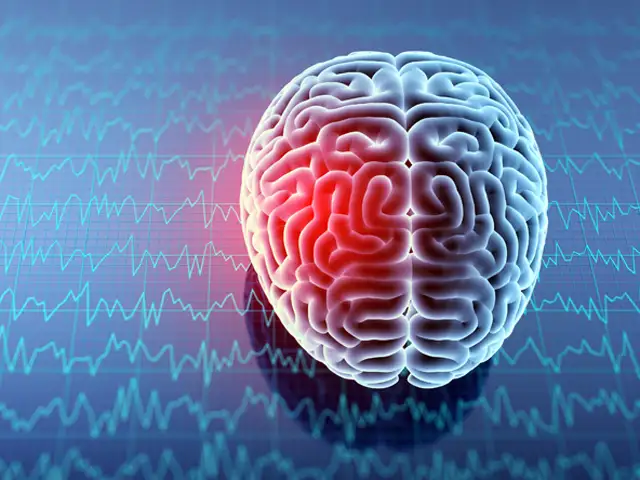
Smoking usually helps smokers relax on a short-term basis. But, it comes at a huge price in the long-term. Smoking results in addiction and anxiety. It alters the brain chemistry and can increase the risk of stroke.
Smoking usually helps smokers relax on a short-term basis. But, it comes at a huge price in the long-term. Smoking results in addiction and anxiety. It alters the brain chemistry and can increase the..
Read More
Cancer of mouth and throat is common among smokers. In addition, smoking can also result in gum disease, premature tooth loss, discolouration of teeth, etc.
Cancer of mouth and throat is common among smokers. In addition, smoking can also result in gum disease, premature tooth loss, discolouration of teeth, etc.
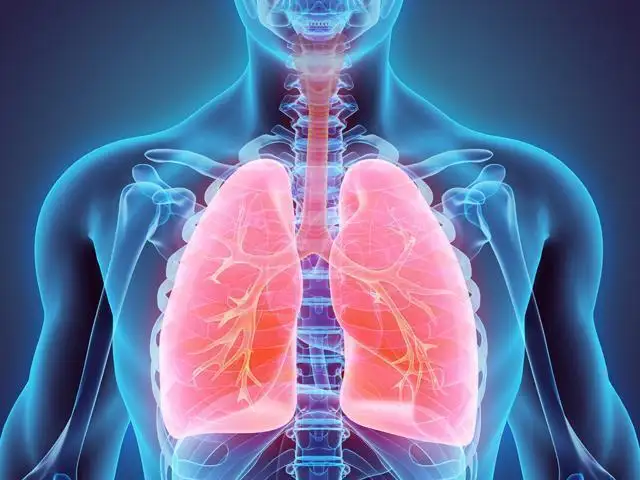
Lung cancer, one of the leading causes of death in the world, develops due to smoking. Chronic Obstructive Pulmonary Disease which causes difficulty in breathing is another common cause of death among smokers. Chronic Bronchitis, the inflammation of the bronchial tubes which also results in difficulty in breathing, is caused primarily due to smoking.
Smoking also increases the risk of other infections like pneumonia, tuberculosis, etc.
Lung cancer, one of the leading causes of death in the world, develops due to smoking. Chronic Obstructive Pulmonary Disease which causes difficulty in breathing is another common cause of death amon..
Read More
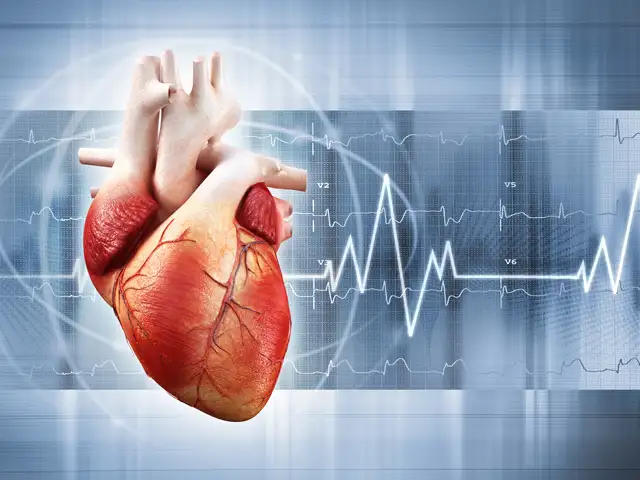
Smoking is one of the leading causes for heart diseases. Regular smokers, as well as second-hand/passive smokers, are at high risk of heart disease.
Tobacco also contributes to heart conditions by reducing the good cholesterol (HDL) and increasing the bad cholesterol (LDL and Triglycerides) in the body.
Smoking is one of the leading causes for heart diseases. Regular smokers, as well as second-hand/passive smokers, are at high risk of heart disease.
Tobacco also contributes to heart conditions by r..
Read More
In men, smoking can result in abnormality of sperm, impotence, erectile dysfunction and prostate cancer.
In women, smoking can result in infertility, miscarriage, early menopause, and cervical and ovarian cancer.
Smoking can impact the future generation, and can lead to physical deformities and sudden infant deaths.
In men, smoking can result in abnormality of sperm, impotence, erectile dysfunction and prostate cancer.
In women, smoking can result in infertility, miscarriage, early menopause, and cervical and ..
Read More
Smoking increases the risk of eye-related problems like stinging, excessive tearing, glaucoma and cataract. It can result in partial or total blindness if untreated.
Smoking increases the risk of eye-related problems like stinging, excessive tearing, glaucoma and cataract. It can result in partial or total blindness if untreated.
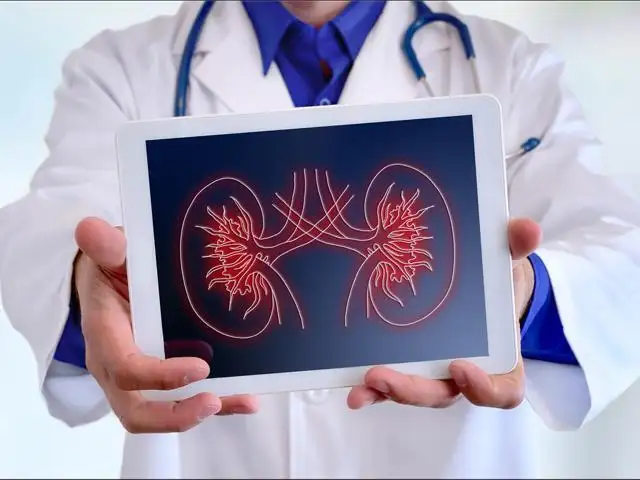
The kidney's main function is to clear the toxic wastes from our body. But, smoking does exactly the opposite.
It increases the chances of kidney failure, bladder cancer and other urinary tract-related problems.
The kidney's main function is to clear the toxic wastes from our body. But, smoking does exactly the opposite.
It increases the chances of kidney failure, bladder cancer and other urinary tract-rela..
Read More
Bones provide structure to the body. Due to the toxins present in tobacco, smoking can result in osteoporosis (weakening of the bones), increasing the risk of hip fracture, spine-related problems, bone marrow cancer and also rheumatoid arthritis.
In addition to the above-mentioned problems, tobacco can also result in premature ageing, hair loss, weak immunity etc.
Bones provide structure to the body. Due to the toxins present in tobacco, smoking can result in osteoporosis (weakening of the bones), increasing the risk of hip fracture, spine-related problems, bo..
Read More
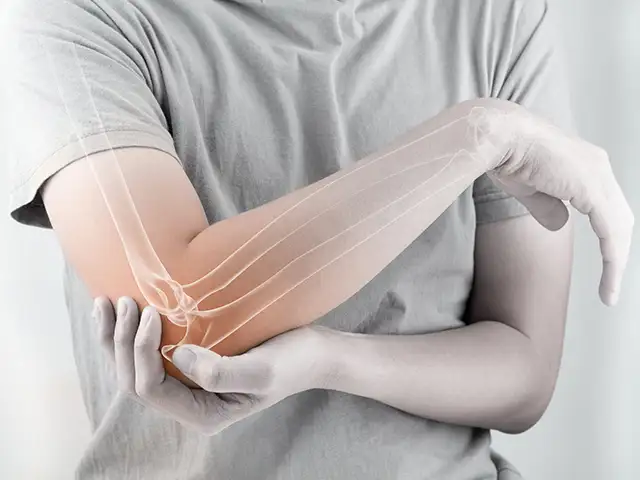
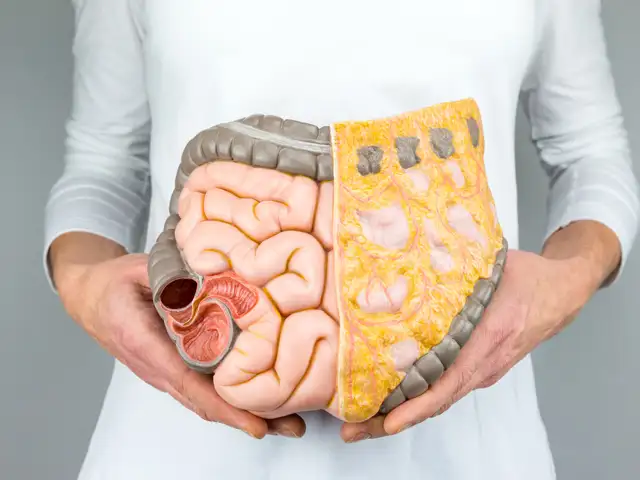
Smoking reduces appetite. It prevents adequate nutrition to the body which makes the body weak. It can also up the insulin resistance of the body which makes people susceptible to type 2 diabetes. It also has a negative impact on the liver and intestine, and can increase the risk of ulcers in the stomach and intestine.
Smoking reduces appetite. It prevents adequate nutrition to the body which makes the body weak. It can also up the insulin resistance of the body which makes people susceptible to type 2 diabetes. It..
When the neural signal of a seizure is detected by the electrodes, the ion pump is activated, creating an electric field that moves the drug across an ion exchange membrane and out of the device, a process known as electrophoresis. The amount of drug can be controlled by tuning the strength of the electric field.
"In addition to be being able to control exactly when and how much drug is delivered, what is special about this approach is that the drugs come out of the device without any solvent," said Christopher Proctor, a postdoctoral researcher at Cambridge.
"This prevents damage to the surrounding tissue and allows the drugs to interact with the cells immediately outside the device," Proctor said. Also read: Brain abnormalities can predict epilepsy risk
ADVERTISEMENT
The researchers found that seizures could be prevented with relatively small doses of drug representing less than one per cent of the total amount of drug loaded into the device. This means the device should be able to operate for extended periods without needing to be refilled.
They also found evidence that the delivered drug, which was in fact a neurotransmitter that is native to the body, was taken up by natural processes in the brain within minutes. The researchers said the drug should help reduce side effects from the treatment.
ADVERTISEMENT
Although early results are promising, the potential treatment would not be available for humans for several years, they said.