Gionee Elife S7 Review: Slim & stylish phone with great battery and good camera
What deserves a special mention is the battery - Gionee has managed to put in a 2,750mAh battery despite the slim profile.
By Karan Bajaj, ET Bureau | Updated:

Price: Rs 24,990
Rating: ****
Specifications: 5.2-inch super amoled (1920 x 1080 pixels), 1.7Ghz octa core processor, 2GB RAM, 16GB storage, 13MP rear camera, 8MP front camera, dual SIM, 3G, WiFi, Bluetooth 4.0, USB host, Android 5.0, 126.5 grams
Pros: Slim and stylish, gorgeous display, top-notch performance, great daylight camera performance, excellent battery life
Cons: Non-expandable storage, glossy finish is a fingerprint magnet, subpar low light camera performance
Gionee is one of the only brands that has been consistently making slim phones that look great and perform well too. After the Elife S5.1 earlier, the company has launched their new flagship device called the Elife S7 that continues the trend.
Gionee has opted a 1.7Ghz octa core Mediatek processor with 2GB RAM to power the phone. As expected, the phone had no issues handling full HD videos, switching between apps and even games like Dead Trigger 2.
What deserves a special mention is the battery - Gionee has managed to put in a 2,750mAh battery despite the slim profile. In our usage, the phone constantly lasted close to a day and half with 3G/WiFi connectivity and mixed usage including calls, multimedia and social media.
In addition, you can extend the backup to about 3 days by switching to the Extreme saving mode. S7 is the first smartphone from Gionee to come with Android 5.0. It runs the latest version of Gionee’s Amigo user interface (v 3.0) that continues with the ‘all icons on homescreen’ approach.
The most prominent change in the user interface is that the quick access setting box now appears when you swipe up from the bottom of the display instead of the dropdown notification panel. The problem with this is that the virtual buttons for home/menu and recent apps at the bottom too. While swiping up, these buttons get in the way quite often.
Amigo 3.0 also takes care of one of the major issues we had with the user interface – speed. The S7’s user interface is zippy even with all the animation effects turned on. You also get smart gestures, a dedicated search page to find anything in the phone, a floating button for one-tap functions and support for widgets.
Special mention goes to the Chameleon app – it uses the camera to pick up the colour from any object and changes your phone theme colours to match it. In our opinion, we liked the interface over the previous iterations of Amigo.
On the rear is a 13MP camera that takes great photographs in daylight and indoors – sharp details and natural colours. Moreover, images are saved instantly when the shutter button is tapped – the phone is ready for the next shot allowing you to take photos without missing out on the moment. However, low light images suffer from noise – most of the time, the camera had issues focusing properly in low light.
The interface includes a professional mode that gives you more control over various aspects of shooting. There are also features like best shot, eraser and motion blur that improve the user experience. The front 8MP camera is great for selfies as long as there is ample light.
Overall, the Elife S7 is another impressive smartphone from Gionee. For anyone looking at a slim, stylish phone with great battery and good camera, the S7 is a great option. At the same price you can also look at the Samsung Galaxy A7.
Rating: ****
Specifications: 5.2-inch super amoled (1920 x 1080 pixels), 1.7Ghz octa core processor, 2GB RAM, 16GB storage, 13MP rear camera, 8MP front camera, dual SIM, 3G, WiFi, Bluetooth 4.0, USB host, Android 5.0, 126.5 grams
Pros: Slim and stylish, gorgeous display, top-notch performance, great daylight camera performance, excellent battery life
Cons: Non-expandable storage, glossy finish is a fingerprint magnet, subpar low light camera performance
Gionee is one of the only brands that has been consistently making slim phones that look great and perform well too. After the Elife S5.1 earlier, the company has launched their new flagship device called the Elife S7 that continues the trend.
ADVERTISEMENT
The first thing that strikes you about the S7 is the super-slim design. Even though its just 5.5mm (thinner than a pencil), the phone feels sturdy and well built. An all black finish with glass on front and back and silver metal accents on the side makes the phone stand out from the crowd.Everyone we showed the phone to instantly appreciated and loved it for its looks. However, the glass body is also prone to fingerprints and requires constant cleaning. On the right side are volume and power buttons while the left side houses the dual SIM (4G on both SIMs) tray.
The 5.2-inch super amoled display is terrific – deep blacks with vibrant colours. The full HD resolution shows you crisp details. What further impresses is the wide viewing angles and the best in class sunlight legibility. Like the previous devices, the S7 lacks a microSD slot so users are stuck with 16GB of storage out of which only 11.5GB is available for apps and media.Gionee has opted a 1.7Ghz octa core Mediatek processor with 2GB RAM to power the phone. As expected, the phone had no issues handling full HD videos, switching between apps and even games like Dead Trigger 2.
What deserves a special mention is the battery - Gionee has managed to put in a 2,750mAh battery despite the slim profile. In our usage, the phone constantly lasted close to a day and half with 3G/WiFi connectivity and mixed usage including calls, multimedia and social media.
In addition, you can extend the backup to about 3 days by switching to the Extreme saving mode. S7 is the first smartphone from Gionee to come with Android 5.0. It runs the latest version of Gionee’s Amigo user interface (v 3.0) that continues with the ‘all icons on homescreen’ approach.
ADVERTISEMENT
The most prominent change in the user interface is that the quick access setting box now appears when you swipe up from the bottom of the display instead of the dropdown notification panel. The problem with this is that the virtual buttons for home/menu and recent apps at the bottom too. While swiping up, these buttons get in the way quite often.
Amigo 3.0 also takes care of one of the major issues we had with the user interface – speed. The S7’s user interface is zippy even with all the animation effects turned on. You also get smart gestures, a dedicated search page to find anything in the phone, a floating button for one-tap functions and support for widgets.
ADVERTISEMENT
Special mention goes to the Chameleon app – it uses the camera to pick up the colour from any object and changes your phone theme colours to match it. In our opinion, we liked the interface over the previous iterations of Amigo.
On the rear is a 13MP camera that takes great photographs in daylight and indoors – sharp details and natural colours. Moreover, images are saved instantly when the shutter button is tapped – the phone is ready for the next shot allowing you to take photos without missing out on the moment. However, low light images suffer from noise – most of the time, the camera had issues focusing properly in low light.
The interface includes a professional mode that gives you more control over various aspects of shooting. There are also features like best shot, eraser and motion blur that improve the user experience. The front 8MP camera is great for selfies as long as there is ample light.
Overall, the Elife S7 is another impressive smartphone from Gionee. For anyone looking at a slim, stylish phone with great battery and good camera, the S7 is a great option. At the same price you can also look at the Samsung Galaxy A7.
Download
The Economic Times Business News App for the Latest News in Business, Sensex, Stock Market Updates & More.
The Economic Times Business News App for the Latest News in Business, Sensex, Stock Market Updates & More.
Text: Anupam Saxena, TOI Tech
Xiaomi has introduced its 2014 flagship smartphone, Mi 4, in the Indian market.
The phone is priced around Rs 20,000, bringing high-end hardware specifications to the mid-range segment, similar to the Mi 3 smartphone that it launched in July.
However, the landscape has changed radically and surprisingly, consumers have other options to choose from.
Xiaomi pitted the phone against these and other high-end offerings and even showcased a related slide at a launch event in New Delhi.
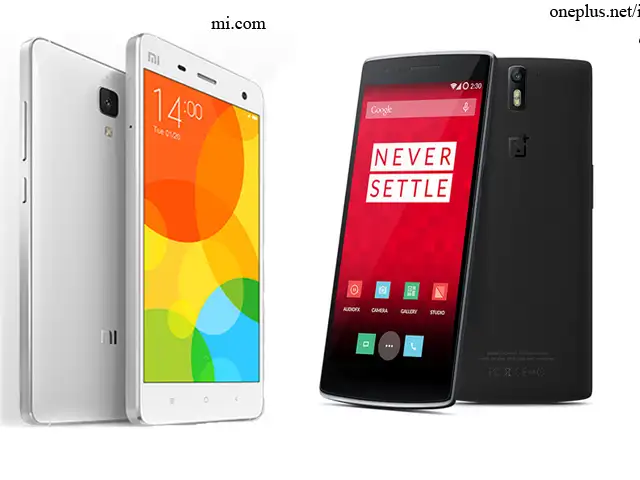
One name that appears to one up the Mi 4, at least in some counts, is the OnePlus One.
Priced slightly higher at Rs 21,990, the ‘flagship killer’ is Mi 4’s biggest rival.
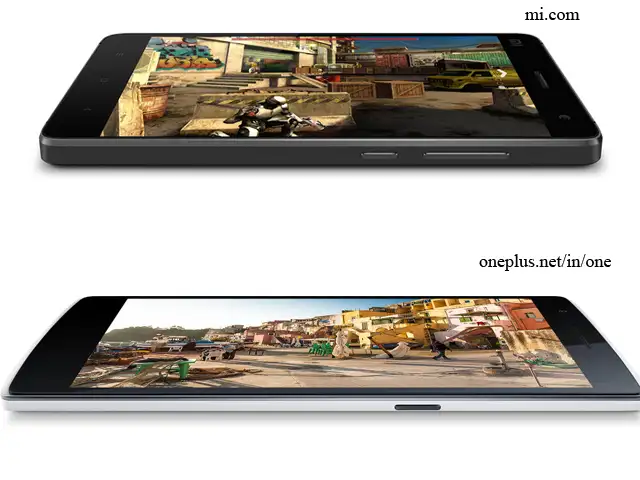
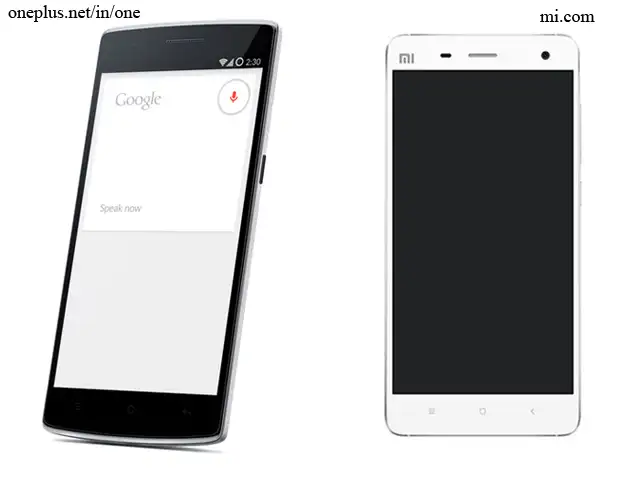
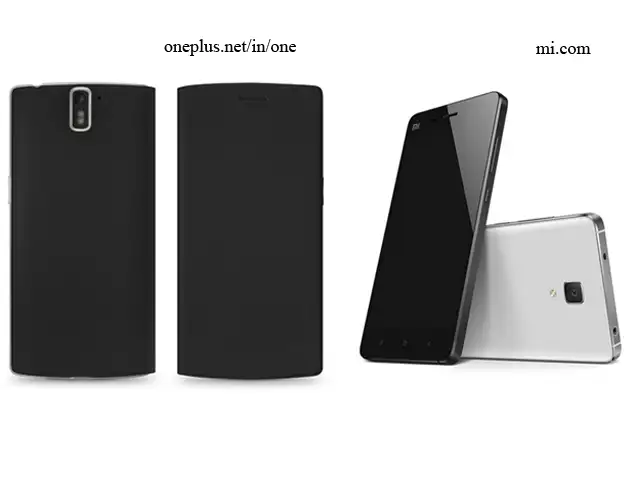
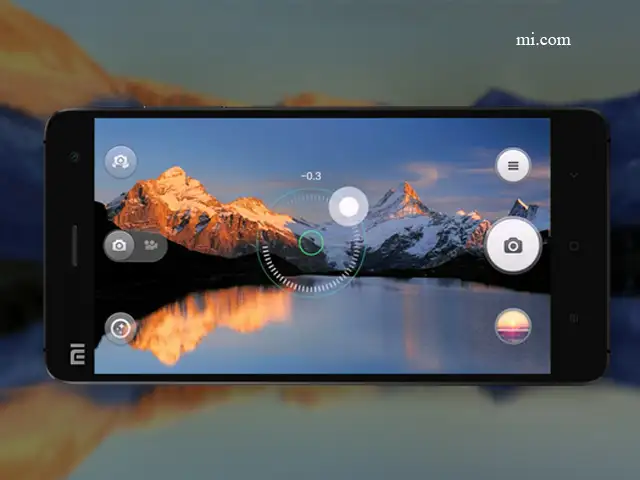
Here’s how they stand against each other…
Xiaomi has introduced its 2014 flagship smartphone, Mi 4, in the Indian market.
The phone is priced around Rs 20,000, bringing high-end hardware specifications to the mid-range segment, similar to the Mi 3 smartphone that it launched in July.
However, the landscape has changed radically and surprisingly, consumers have other options to choose from.
Xiaomi pitted the phone against these and other high-end offerings and even showcased a related slide at a launch event in New Delhi.
One name that appears to one up the Mi 4, at least in some counts, is the OnePlus One.
Priced slightly higher at Rs 21,990, the ‘flagship killer’ is Mi 4’s biggest rival.
Here’s how they stand against each other…