Gigantopelta Chessoia: This snail doesn't need food to survive after metamorphosis
This snail is found off the coast of Antarctica.
By ET Bureau |

Agencies
Here's why Gigantopelta Chessoia is making headlines:
SURELY SOME KIND OF A GIGANTIC CHESSBOARD, IS IT NOT?
No. It’s actually a snail.
A SNAIL, IS IT? A BIG ONE?
Not at all. But it’s making big news.
AND YOU WILL TELL ME ABOUT IT AT SNAIL’S PACE?
Okay, here goes. This snail, found off the coast of Antarctica, metamorphoses mid-way through life. And after the change, it does not need to eat any more to stay alive.
Not so much. See, caterpillars also metamorphose mid-life to become butterflies; tadpoles turn to frogs. Then, again, there are some corals that have algae growing inside that provides it energy right through its life. But no other organism is known to metamorphose in a way that it can stop eating mid-life.
OKAY. YOU GOT ME HOOKED. HOW DOES IT DO IT?
After the snail has grown to a certain size, about 5-7 mm, one of its glands starts to grow rapidly. This gland takes up the space occupied by the teeth and stomach. A kind of bacteria then colonise this gland. The bacteria chemically break down hydrogen sulphide found in sea water using oxygen to release energy that helps the snail stay alive.
HEY, CAN WE CALL THESE SNAILS MUTANTS?
Someone is already thinking Hollywood, eh? Let’s not jump the gun. Scientists are calling it crypto-metamorphoses — adult animal reconfiguring internal organs, without external changes.
ONE ABILITY I COULD DO WONDERS WITH…
Scientists feel more examples are likely in nature. But why are you so keen? Planning an indefinite fast?
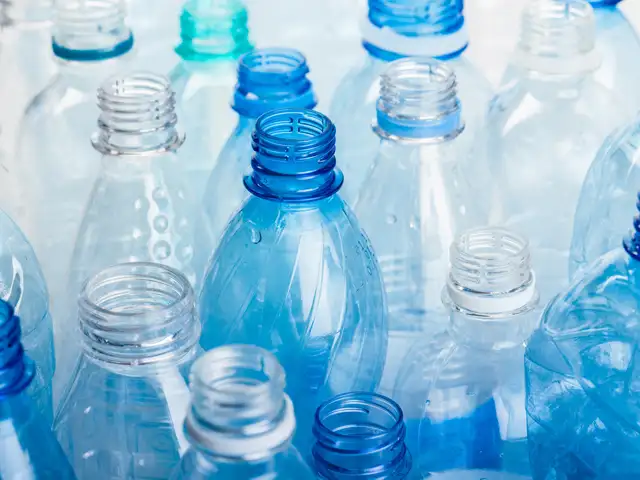
After scientists accidentally created mutant plastic-eating enzymes, we look at other unintentional discoveries that changed the world.
(Text: Shannon Tellis)
SURELY SOME KIND OF A GIGANTIC CHESSBOARD, IS IT NOT?
No. It’s actually a snail.
A SNAIL, IS IT? A BIG ONE?
Not at all. But it’s making big news.
AND YOU WILL TELL ME ABOUT IT AT SNAIL’S PACE?
Okay, here goes. This snail, found off the coast of Antarctica, metamorphoses mid-way through life. And after the change, it does not need to eat any more to stay alive.
ADVERTISEMENT
OH! THAT’S A MIRACLE, NO?Not so much. See, caterpillars also metamorphose mid-life to become butterflies; tadpoles turn to frogs. Then, again, there are some corals that have algae growing inside that provides it energy right through its life. But no other organism is known to metamorphose in a way that it can stop eating mid-life.
OKAY. YOU GOT ME HOOKED. HOW DOES IT DO IT?
After the snail has grown to a certain size, about 5-7 mm, one of its glands starts to grow rapidly. This gland takes up the space occupied by the teeth and stomach. A kind of bacteria then colonise this gland. The bacteria chemically break down hydrogen sulphide found in sea water using oxygen to release energy that helps the snail stay alive.
HEY, CAN WE CALL THESE SNAILS MUTANTS?
Someone is already thinking Hollywood, eh? Let’s not jump the gun. Scientists are calling it crypto-metamorphoses — adult animal reconfiguring internal organs, without external changes.
ADVERTISEMENT
ONE ABILITY I COULD DO WONDERS WITH…
Scientists feel more examples are likely in nature. But why are you so keen? Planning an indefinite fast?
ADVERTISEMENT
(Text: Shannon Tellis)





Download
The Economic Times Business News App for the Latest News in Business, Sensex, Stock Market Updates & More.
The Economic Times Business News App for the Latest News in Business, Sensex, Stock Market Updates & More.
ADVERTISEMENT


