From Steve Jobs To Lee Iacocca, Business Heads Who Took Over The Wheel — And Steered — A Company Out Of Crisis
1/6
Reversing Out Of A Tight Spot!
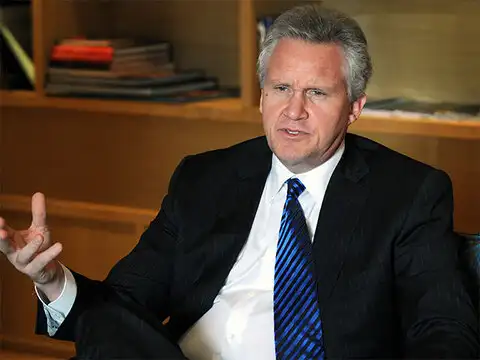
Before Dara Khosrowshahi took over, former General Electric chairman Jeff Immelt was leading the race to be Uber’s next CEO. Here are five business heads who took over the wheel — and steered — a company out of crisis.
2/6
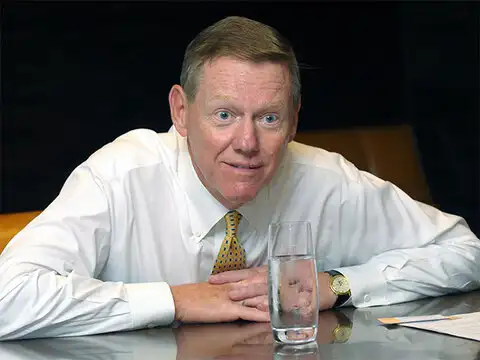
Alan Mulally
After many years at The Boeing Co., Mulally joined the troubled Ford Motors as the CEO in 2006. He took charge and was responsible for one of the biggest turnarounds in history. Not only did he make Ford Motors a profitable company, he also ensured that the stock price rose steadily and the employee morale stayed high. Mulally retired in July 2014 and joined the Google board of directors within a few weeks.
3/6
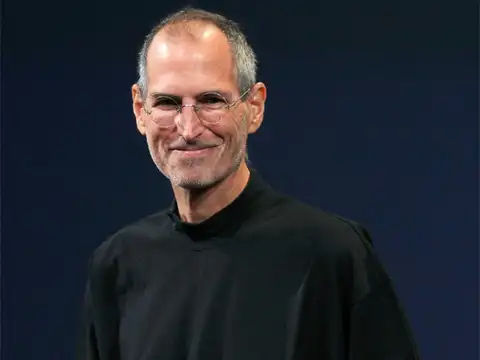
Steve Jobs
After leaving Apple, Jobs returned to the company he founded as the interim CEO in 1996. At that point, Apple had completed a fiscal year in which it lost $1 billion on revenue of $7 billion. The company wasn’t doing as well as it was projected to and was worth about $4 billion, which was far lower than rivals HP and Dell. After taking over, Jobs streamlined the development projects Apple invested in and released iMac, iPhone, iPod and iTunes. Under his leadership, Apple stock grew over 9,000 per cent.
Amazon Top Deals
POWERED BY

Crompton Ozone 75 Litres Desert Air Cooler for home | Large & Easy Clean Ice Chamber | 4-Way Air Deflection | High Density Honeycomb Pads | Everlast Pump | Auto Fill| 3 Year Brand Warranty
₹9,798Buy Now43%
OFF
LG 32 L Convection Microwave Oven (MC3286BRUM, Black, 360° Motorised Rotisserie for Bar-be-queing, 301 Auto Cook Menu, Stainless steel cavity, Indian Cuisine, Tandoor Se, Steam Clean & Diet Fry)
₹18,780Buy Now22%
OFF
4/6
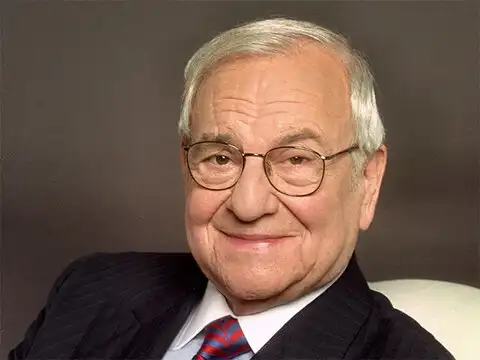
Lee Iacocca
Iacocca was fired from Ford Motors before he took up the Chrysler CEO position in 1979. He made a plea with the Congress and obtained a $1.5 billion federal loan for the company. By releasing new models such as the minivan, which became hugely popular, Chrysler managed to pay off the loans in three years. The company, almost on the verge of bankruptcy in 1979, became profitable in 1982 under Iacocca’s leadership. He retired in 1992.
5/6
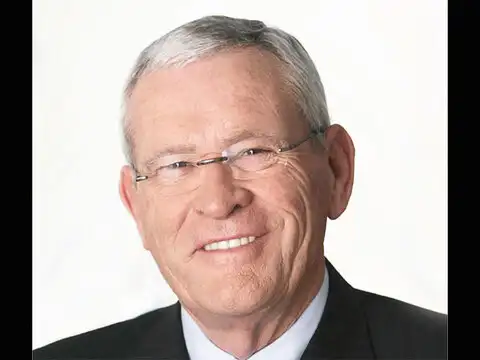
Ed Whitacre
Whitacre was asked to helm General Motors after the company declared bankruptcy and received a bailout from the government in 2009. Whitacre, who was previously the CEO of AT&T, took on the role of CEO stating that he would leave after “returning GM to greatness”. Within 16 months of being the CEO, which included cutting on projects such as an alternative model of the Chevrolet Volt, GM launched a staggering IPO worth $23.1 billion. Whitacre resigned in 2010.
(Image: pacific.edu)
(Image: pacific.edu)
6/6
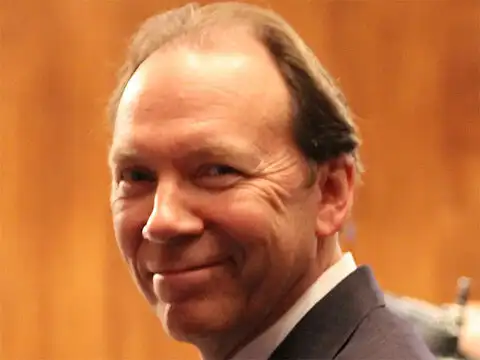
Dan Hesse
Hesse became the CEO of Sprint in 2007 and inherited a company that was reporting over $29.6 billion worth losses after a merger with Nextel communications. As the CEO, Hesse implemented new rate plans, which helped increase the company’s customer service ratings. After acquiring Virgin Mobile USA in 2009, Sprint began to turn around in 2010. As of 2012, Sprint’s reported revenue is $35.3 billion.
(Image: Wikipedia)
(Image: Wikipedia)