From Laugh-Cry To Climate Emergency: How Oxford's 'Words Of The Year' Define The Times We Live In
1/5
2019
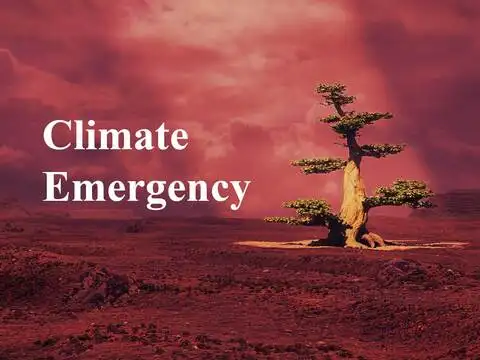
As 2019 draws to a close, Oxford Dictionary has released its word of the year. And fittingly, in a year dominated by crises relating to nature and its fury, the word of 2019 is ‘climate emergency’. The dictionary said, “Usage of the phrase ‘climate emergency’ increased steeply over the course of 2019, and by September, it was more than 100 times as common as it had been the previous year.” Which brings us to the next natural question: What was the corresponding trending word for the years gone by?
2/5
2018
Toxic: Unlike this year’s very specific word, last year saw a more general ‘toxic’. The word saw a 45 per cent increase over the 12 months of 2018, in both literal and metaphorical contexts. And what contexts are these? “The top-10 usages of toxic were: chemical, masculinity, substance, gas, environment, relationship, culture, waste, algae and air,” the dictionary said.
3/5
2017
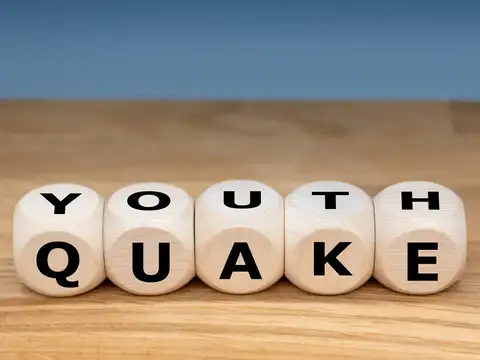
Youthquake: 2017’s winner wasn’t even a legitimate word. ‘Youthquake’, according to the dictionary, is defined as “significant cultural, political, or social change arising from the actions or influence of young people”. And if you thought youthquake was an odd choice, read the other three on the shortlist: Antifa, broflake and gorpcore. It was truly a great year for odd words.
Amazon Top Deals
POWERED BY

Crompton Ozone 75 Litres Desert Air Cooler for home | Large & Easy Clean Ice Chamber | 4-Way Air Deflection | High Density Honeycomb Pads | Everlast Pump | Auto Fill| 3 Year Brand Warranty
₹9,798Buy Now43%
OFF

atomberg Studio Smart+ 1200mm BLDC Ceiling Fan with IoT & Remote | BEE 5 star Rated Energy Efficient Ceiling Fan | High Air Delivery with LED Indicators | 3 Year Warranty (Earth Brown)
₹5,882Buy Now36%
OFF

LG 32 L Convection Microwave Oven (MC3286BRUM, Black, 360° Motorised Rotisserie for Bar-be-queing, 301 Auto Cook Menu, Stainless steel cavity, Indian Cuisine, Tandoor Se, Steam Clean & Diet Fry)
₹19,340Buy Now19%
OFF

4/5
2016
Post-truth: It was the year of Brexit, and of Donald Trump’s victory. And so, a word which had been in existence for the past decade, suddenly saw itself thrust into prominence. Post-truth was linked with a particular noun, ‘post-truth politics’.

5/5
2015
While subsequent years saw legitimate words, 2015 saw an icon, an emoji. More specifically the ‘laugh-cry’ one, also known as the ‘face with tears of joy’ one. Why did the dictionary go for an emoji over other words though? 2015 was the year that saw a threetime rise in their usage over the previous year. And why this particular emoji? It alone comprised 20 per cent of all emojis in Britain.