From khichdi to pongal: The one-pot mishmash that binds India
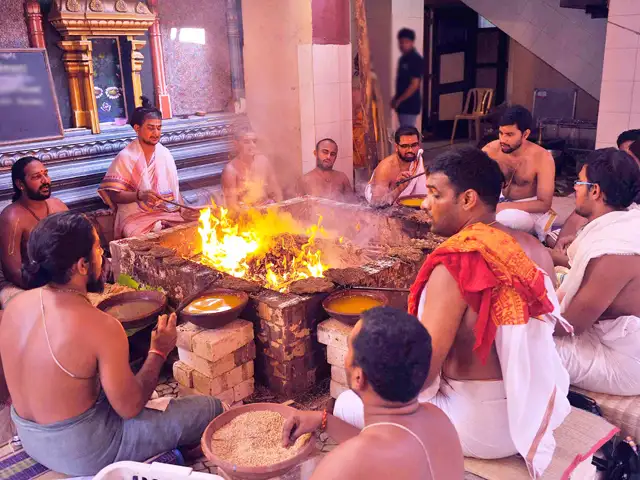
Celebration of Makar Sankranti with khichdi is a symbolic celebration of life & regeneration.
By ET CONTRIBUTORS | Updated:
BCCL
Think khichdi, and a simple dish of rice and dal comes to mind. It is anything but simple.
By Anoothi Vishal
Whether you breakfast on ven pongal tomorrow or donate pots of black urad and rice cooked with amla, the fact that the year’s first festival involves the ritualistic taste of the mishmash is significant. The celebration of Makar Sankranti with khichdi, the one-pot dish, is a symbolic celebration of life and regeneration — with newly harvested rice and grain. It also affirms the importance of what is perhaps India’s most inventive dish.
Think khichdi, and a simple dish of rice and dal comes to mind. It is anything but — there are millet khichdis; those cooked with safflower seeds and corn; and the meat khichdis that defy the impression that this is essentially a vegetarian dish. There are bold versions that delight in everything from caramelised onions to saffron and black cardamom. As Birbal rightly points out in a delicious fable, the only indispensable ingredient to cook a khichdi is fire. It is a dish that defies stereotypes, cuts across class and caste and shows us the key to Indian cooking is inventiveness.
P o n g a l , which is considered traditional and homely, too shows innovation, as the Tamil mishmash has adopted newer ingredients and cooking methods. In Chennai, food researcher Shri Bala, who has been studying Sangam literature (400 BCE to 300 CE), says early versions of pongal had a few basic ingredients. “Moong gram was the ancient lentil (toor came later). Rice was used by the wealthy and millets by ordinary people. Then a mixture of four things called sambharam was used to flavour the dish — salt, black pepper, cumin and curry leaves,” says Shri Bala.
Nothing, however, can beat the fabled nawabi khichdi when it comes to inveninventiveness. The raqabdars (specialist cooks) of Lucknow were highly paid for their creativity, according to Abdul Halim Sharar’s 19th century classic Guzishta Lucknow. One of their creations was a khichdi made of almonds and pistachios carved to resemble individual grains of rice and lentils. We may never get to taste it but other historic khichdis have been recreated. Persian scholar Salma Husain records the preferences of the Mughals in her book The Emperor’s Table. According to her, Jahangir was fond of lazeezan, an elaborate dish of moong dal and rice, layered with meat koftas and flavoured with saffron, cream, almonds and rose petals.
ADVERTISEMENT
Aurangzeb loved the relatively spartan qabooli — rice and Bengal gram, where the dal was first bhunao-ed in yoghurt. The qabooli must have travelled to the Deccan, where it still exists, albeit as a dying dish. Asma Khan, lawyer-turned-chef whose restaurant Darjeeling Express has been garnering acclaim in London and who is set to feature as the first chef from Britain on the popular Netflix series Chef’s Table this spring, recalls her first taste of qabooli in Hyderabad. She found the name striking because it sounds like what a bride says at nikah: “Qabool hai, I do.” Khan cooks it for her catering services in London while her restaurant features the UP-style khichdi with garam masala. Spiced with black cardamom, cloves, tej patta and cinnamon, it is another example of inventiveness, turning a common man’s dish into elite, aromatic food.
At Bengaluru’s Mavalli Tiffin Room (MTR), bisi bele bhath, too, has had a makeover. “It is a spiced-up version of the traditional Mysuru dish concocted by my great-uncle Yagnanarayan Maiya (one of the founders of MTR),” says Hema Malini Maiya, MTR’s third-generation co-owner. Neither dal nor rice is essential for these mishmashes. Either or both can be substituted with a region’s staples.
Chef Ranveer Brar mentions the kusubi huggi from northern Karnataka as one of the unique preparations that he has come across. Made like a salty porridge with rice and the milk extracted from kusubi (safflower) seeds, this is a festive dish cooked with a turmeric leaf thrown in. In Rajasthan, soitas, which are porridge-like, are traditionally cooked with either bajra or jowar and meat. Chef Akshraj Jodha of ITC Windsor in Bengaluru has put this recipe on his coffee shop menu.
Then there is Indori khees, a mishmash of corn, which is often dubbed khichdi in parts of Gujarat. This has inspired chef Manish Mehrotra to create a comfort dish at his new restaurant. Mehrotra seems to have a fascination for khichdi, which shows up in different avatars on his menus: bajra khichdi with beef laal maas in London, gobindbhog khichdi with paturi in Gurgaon and Lucknowi khichda with lamb in his upcoming menu at Indian Accent in Delhi. “It is versatile and a complete meal and can be used as a comfort dish or to highlight other hero dishes,” says Mehrotra. “In India, khichdi is not one dish but a term to refer to the consistency of a dish,” he says.
ADVERTISEMENT
Even this is only partially true. The soita can be runny. Khichda, cooked with five six dals, and the Bengali bhog khichuri with vegetables are mashy. Then there are khichdis which are dry. The green gram and basmati khichdi that I ate some years ago at filmmaker Muzaffar Ali’s home had each grain separate and glistening with ghee. It was served with caramelised onions and a shorba. A khichdi to challenge stereotypes.
Baisakhi, Bihu, Vishu, Poila Boishakh, Puthandu: What The New Years Of India Mean
1/6
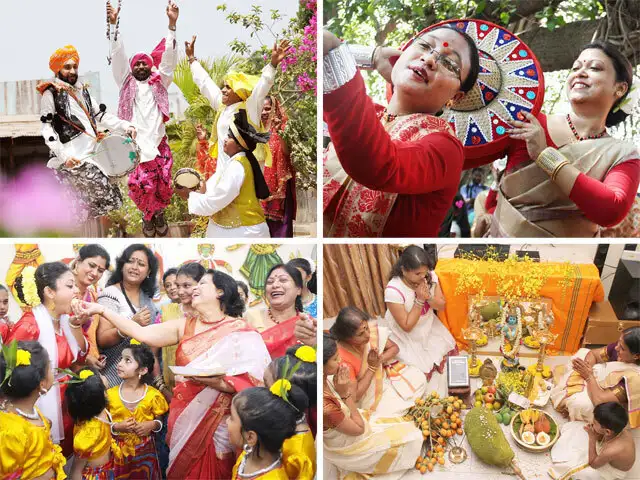
It's that time of the year again when people can catch a glimpse of India's diverse cultures. The Eastern, Northern & Southern parts of the country celebrate their first harvest festival of the year - Baisakhi, Bihu, Vishu, Poila Boishak & Puthandu - with vigour and fervour. Every year, the festivals fall on April 13 or April 14, based on the Hindu or Sikh Calendar.
Here's a look at how people celebrate their New Years...
It's that time of the year again when people can catch a glimpse of India's diverse cultures. The Eastern, Northern & Southern parts of the country celebrate their first harvest festival of the yea..
Read More
This year, Baisakhi falls on April 14.
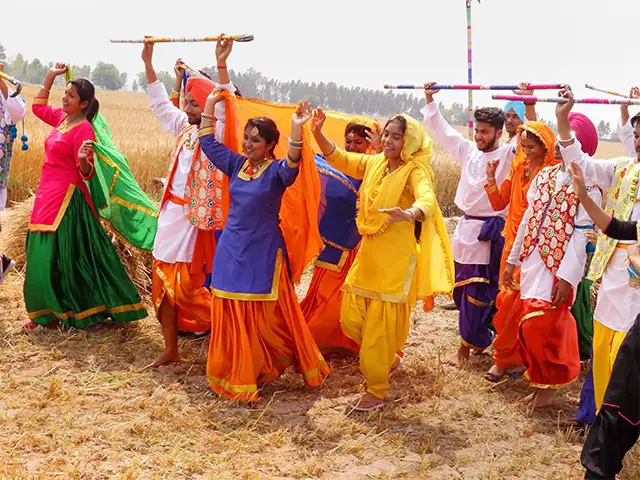
On this day, Guru Gobind Singh, the tenth Guru of Sikhs, asked people to follow Sikhism in 1699, and the Khalsa community was formed.
The northern states of Punjab, Haryana and parts of Delhi celebrate this day with much fanfare. People get together, and perform bhangda and gidda on traditional folk songs and dhol. Men show off their gatka skills (traditional form of martial-arts of the Sikh.)
The Sikh community also observes it as the day of thanksgiving for abundant harvest, and pray for future prosperity.
This year, Baisakhi falls on April 14.
On this day, Guru Gobind Singh, the tenth Guru of Sikhs, asked people to follow Sikhism in 1699, and the Khalsa community was formed.
The northern stat..
Read More
This year, Vishu will fall on April 14.
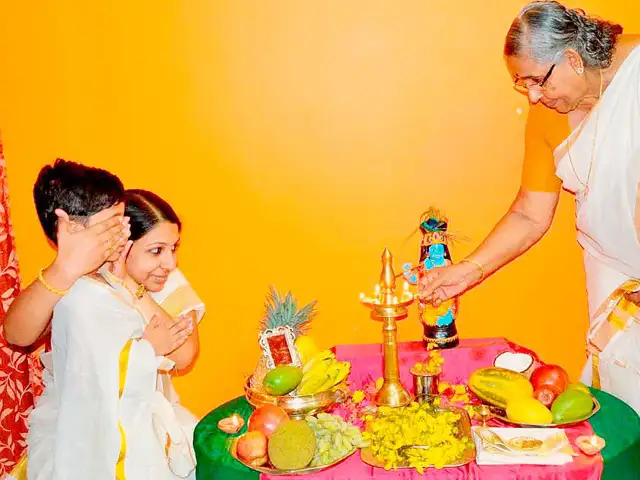
The festival of lights and fireworks is celebrated in Kerala, and parts of Karnataka. People decorate their houses with diyas and lights, and burst firecrackers (locally called Vishupadakkam). The traditions of Vishu include the first auspicious view of the festive day (called Vishukkani Kazhcha), buying of new clothes for the occasion (called Puthukodi), giving money which is the first gift of the year (called Vishukkaineetam) and the feast consisted of food items that taste salty, sweet, sour and bitter (called Sadya).
The ritual arrangement (called Vishukkani) made on this auspicious day in the prayer room of the house includes a list of items that bring prosperity - rice, fruits, vegetables, betel leaves, arecanut, metal mirror, yellow flowers (called konna), holy texts and coins. The items are arranged a night before Vishu and is the first sight of Lord Vishnu on Vishu.
Devotees throng the Sabarimala Ayyappan and the Guruvayur temples to see the 'Vishukkani Kazhcha' during the Brahma Muhurtha, around 3.30 am.
This year, Vishu will fall on April 14.
The festival of lights and fireworks is celebrated in Kerala, and parts of Karnataka. People decorate their houses with diyas and lights, and burst firec..
Read More
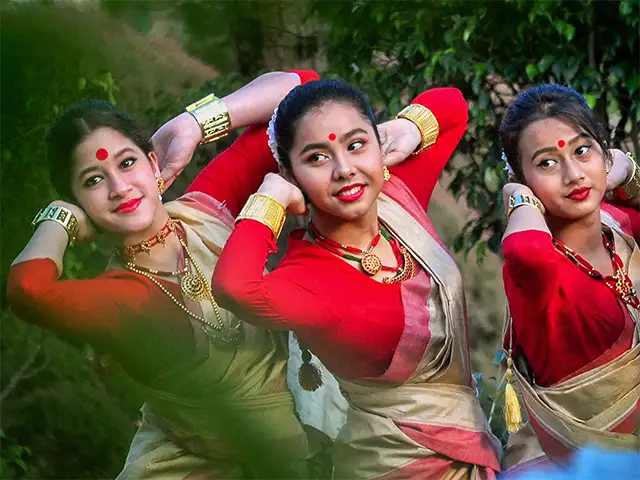
Observed on April 15, 2018, Bohag Bihu is the widely celebrated across Assam, and parts of Manipur and Bengal. The Assamese celebrate Bihu thrice a year, which signify the distinct cycles of farming - Bhogali/Magh Bihu (January), Bohag/Rongali Bihu (April), and Kongali Bihu (October).
On the day of Bohag Bihu, various delicacies like Mangsho, Chira and Pitha are made. Women, men and children are seen singing, feasting, exchanging gifts, seeking blessings from elders, wearing new clothes, and performing the traditional Bihu dance on this day.
Observed on April 15, 2018, Bohag Bihu is the widely celebrated across Assam, and parts of Manipur and Bengal. The Assamese celebrate Bihu thrice a year, which signify the distinct cycles of farmi..
Read More
This year, Puthandu is being celebrated on April 14 in Tamil Nadu, and Tamil-dominated countries Sri Lanka and Mauritius. According to the Tamil Calendar Varusha Pirappu, Puthandu marks the first day of the first month (Chithirai).
The celebrations of Puthandu resonate to that of Vishu. The night before the auspicious day, a tray full of fruit, betel leaves, gold ornaments, silver jewellery, money/cash/coins and flowers are put together in the prayer room for the Lord to view as the first thing.
It is believed that the first view of these auspicious things brings happiness and prosperity for the rest of the year.
This year, Puthandu is being celebrated on April 14 in Tamil Nadu, and Tamil-dominated countries Sri Lanka and Mauritius. According to the Tamil Calendar Varusha Pirappu, Puthandu marks the first ..
Read More
This year, Poila Boishakh will be celebrated on April 15 in West Bengal, and parts of Tripura. According to the Bengali calendar, it is the first day of first month (called Baishakh), and people thank the divine forces for the harvest of the previous year and that to follow.
People decorate their houses with rangoli in their courtyards made with a paste of rice and water (called alpona).
Families get together on this auspicious day, and celebrate the new year with Bengali folk songs and dances in traditional attires. Small gatherings are held where children and adults take part in various activities like drawing/painting, dancing, poetry recitation, singing, etc.
This year, Poila Boishakh will be celebrated on April 15 in West Bengal, and parts of Tripura. According to the Bengali calendar, it is the first day of first month (called Baishakh), and people t..
(Disclaimer: The opinions expressed in this column are that of the writer. The facts and opinions expressed here do not reflect the views of www.economictimes.com.)