From chocolate to soybeans, tropical forests were illegally cleared to make way for everyday foods
Illegal clearance for commercial agriculture was behind the loss of 4.5 mn hectares of forest.
By Reuters | Updated:
iStock
Carbon emitted from illegal forest clearing for agriculture accounted for at least 41% of all emissions from tropical deforestation from 2013 and 2019.
BOGOTA: Nearly 70% of tropical forests cleared for cattle ranching and crops such as soybeans and palm oil were deforested illegally between 2013 and 2019, a study showed on Tuesday, warning of the impact on global efforts to fight climate change.
Illegal clearance for commercial agriculture was behind the loss of 4.5 million hectares of forest - an area the size of Denmark - on average each year in Latin America, Southeast Asia and Africa, said the report by U.S.-based nonprofit Forest Trends.
"If we don't urgently stop this unlawful deforestation, we don't have a chance to beat the three crises facing humanity - climate change, biodiversity loss and emerging pandemics," said Arthur Blundell, report lead co-author and an advisor to Forest Trends, which works on economic tools to protect ecosystems.
Palm oil cultivation in Indonesia, and soy and beef farming in Brazil - home to roughly 60% of the Amazon rainforest - were key drivers of illegal deforestation, the report said.
The production of other agricultural commodities, such as cocoa used to make chocolate in Honduras and West Africa, and corn in Argentina, was also behind illegal forest clearance.
In Indonesia, at least 81% of forested land cleared to produce palm oil is estimated to be illegal, the report said.
ADVERTISEMENT
In soy-producing countries, such as Brazil, about 93% of land converted to grow the crop used in cooking and for animal feed was illegal, while 93% of forest clearance for cocoa plantations was illegal and 81% for beef, the report said.
The report defined illegal deforestation as forest clearance that broke national laws, such as loggers and companies failing to obtain permits from landowners or conduct environmental impact assessments, as well as cases involving tax evasion.
Palm oil cultivation in Indonesia, and soy and beef farming in Brazil were key drivers of illegal deforestation. SUPPLY CHAIN RISKS Environmentalists and some lawmakers in the United States, EU and Britain are calling for legislation that would stop goods grown on illegally cleared lands from ending up on supermarket shelves.
ADVERTISEMENT
In the United States, Democratic Senator Brian Schatz of Hawaii and congressman Earl Blumenauer of Oregon have announced plans for a bill that would ban U.S. imports of agricultural commodities produced on illegally deforested land.
"I think most U.S. consumers would strongly agree that it's immoral, outdated, and preposterous that products sold on supermarket shelves can be traced back to illegally deforested land," Blumenauer said in a statement.
ADVERTISEMENT
The approach is modelled on the Lacey Act of 2008 passed in the United States that banned the import of illegally trafficked wildlife, plants and timber, which he said had brought progress.
Britain is planning to introduce similar legislation.
Cutting down forests has major implications for global goals to curb climate change, as trees absorb about a third of the planet-warming carbon emissions produced worldwide.
Carbon emitted from illegal forest clearing for agriculture accounted for at least 41% of all emissions from tropical deforestation from 2013 and 2019, the report said.
Efforts should also be stepped up to work with soy farmers and cattle ranchers to adopt a moratorium on forest clearing.
"Illegal deforestation is a key driver of forest loss and creates significant risk for supply chain companies and financial institutions that may unwittingly supply or finance illegally sourced commodities," said Justin Adams, executive director of the Tropical Forest Alliance, which works to rid supply chains of deforestation links.
Brazil's Forest Fires, Delhi's Smog: A Terrible 2019 For Planet Earth
1/6
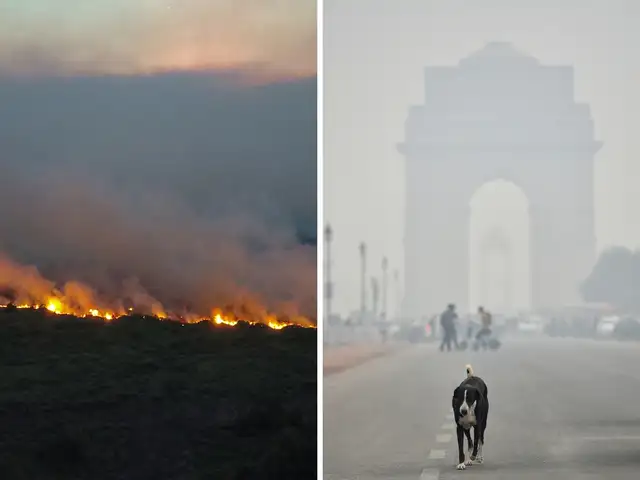
2019 has been an unforgettable year, for all the wrong reasons: From killer smog (R) to forest fires (L), drought to flood to hurricanes, the planet saw it all.
2019 has been an unforgettable year, for all the wrong reasons: From killer smog (R) to forest fires (L), drought to flood to hurricanes, the planet saw it all.
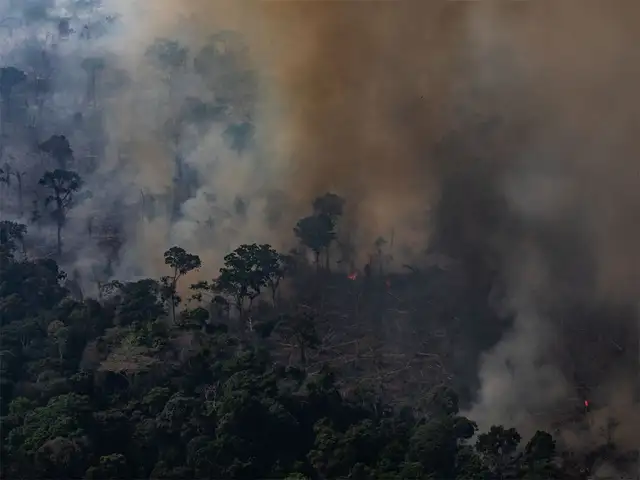
While forest fires in the Amazon during August and September are an annual occurrence, this year’s scale surpassed all estimates. Official figures show 87,000 fires in the first eight months of 2019, almost double that of 2018’s figure. Considering Amazon is the world’s green lung, this is especially tragic.
While forest fires in the Amazon during August and September are an annual occurrence, this year’s scale surpassed all estimates. Official figures show 87,000 fires in the first eight months of 2019,..
Read More
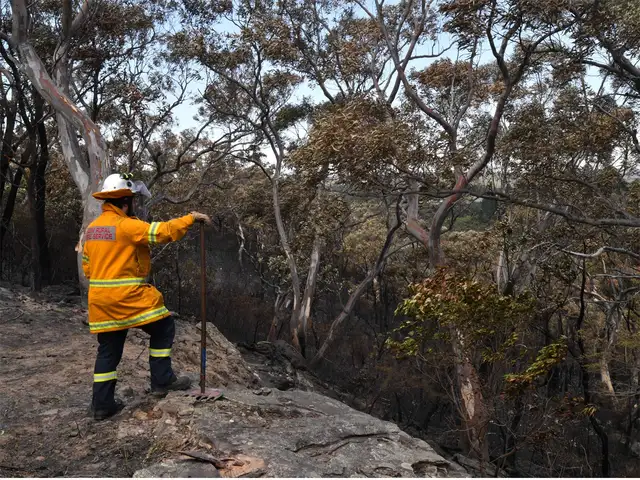
Millions of acres of vegetation were burnt as bush fires raged across eastern Australia. The blaze prompted authorities to issue a “catastrophic” warning, the worst threat ever issued for Sydney, as over 100 deadly fires produced clouds of smoke seen as far away as New Zealand. (Image: AFP)
Millions of acres of vegetation were burnt as bush fires raged across eastern Australia. The blaze prompted authorities to issue a “catastrophic” warning, the worst threat ever issued for Sydney, as ..
Read More
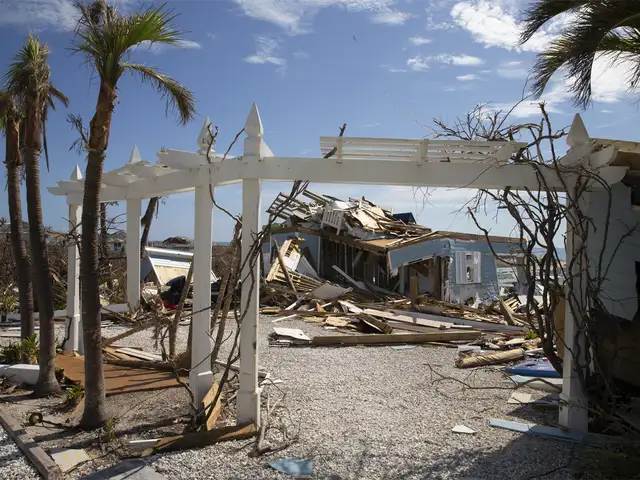
Hurricane Dorian devastated Bahamas in September, the worst natural disaster in the country’s history. With winds peaking at 185 kph, it’s estimated to have caused damage in excess of $3.5 billion. There were at least 65 deaths, while hundreds are still missing.
Hurricane Dorian devastated Bahamas in September, the worst natural disaster in the country’s history. With winds peaking at 185 kph, it’s estimated to have caused damage in excess of $3.5 billion. T..
Read More
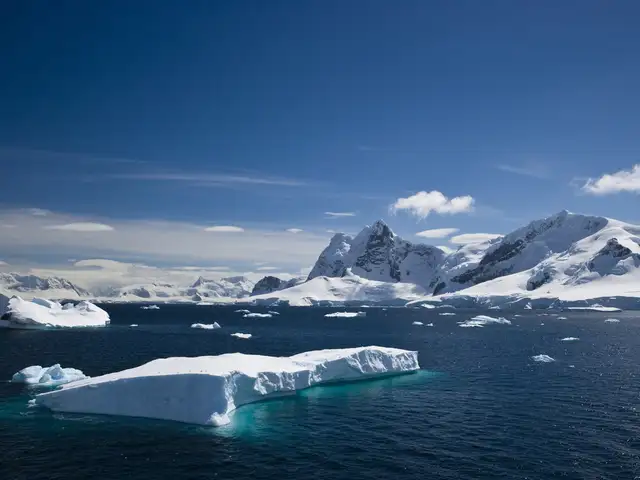
Glaciers along the coast of Antarctica are melting at an alarming rate as warmer waters and hotter temperatures eat away at the snow. A NASA report this year said the Antarctic ice sheet is melting nearly six times as fast as it did 40 years ago, thereby contributing to a rise in sea levels worldwide. And the really worrying trend? Things are actually getting worse, and sections are melting faster than before.
(Representative image)
Glaciers along the coast of Antarctica are melting at an alarming rate as warmer waters and hotter temperatures eat away at the snow. A NASA report this year said the Antarctic ice sheet is melting n..
Read More
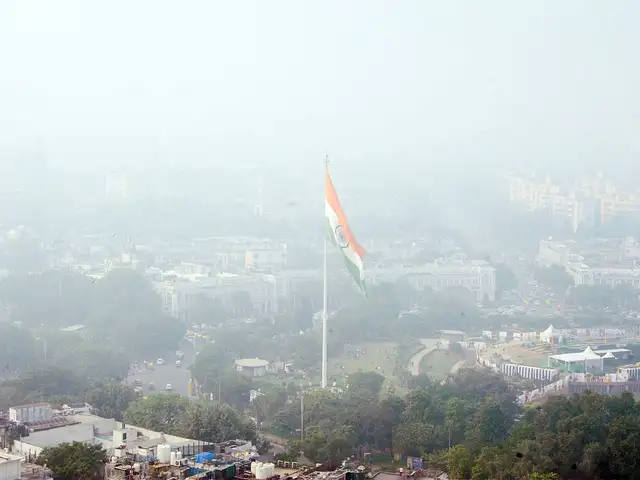
Smog envelops India’s national capital every November, and this year’s air quality was extremely hazardous yet again. In the first week of November, AQI was over 900 in some areas, and Chief Minister Arvind Kejriwal said the city had become a “gas chamber”.
Smog envelops India’s national capital every November, and this year’s air quality was extremely hazardous yet again. In the first week of November, AQI was over 900 in some areas, and Chief Minister..